The more you know, the more you see: How to fully enjoy cultural heritage.
<!--img--> 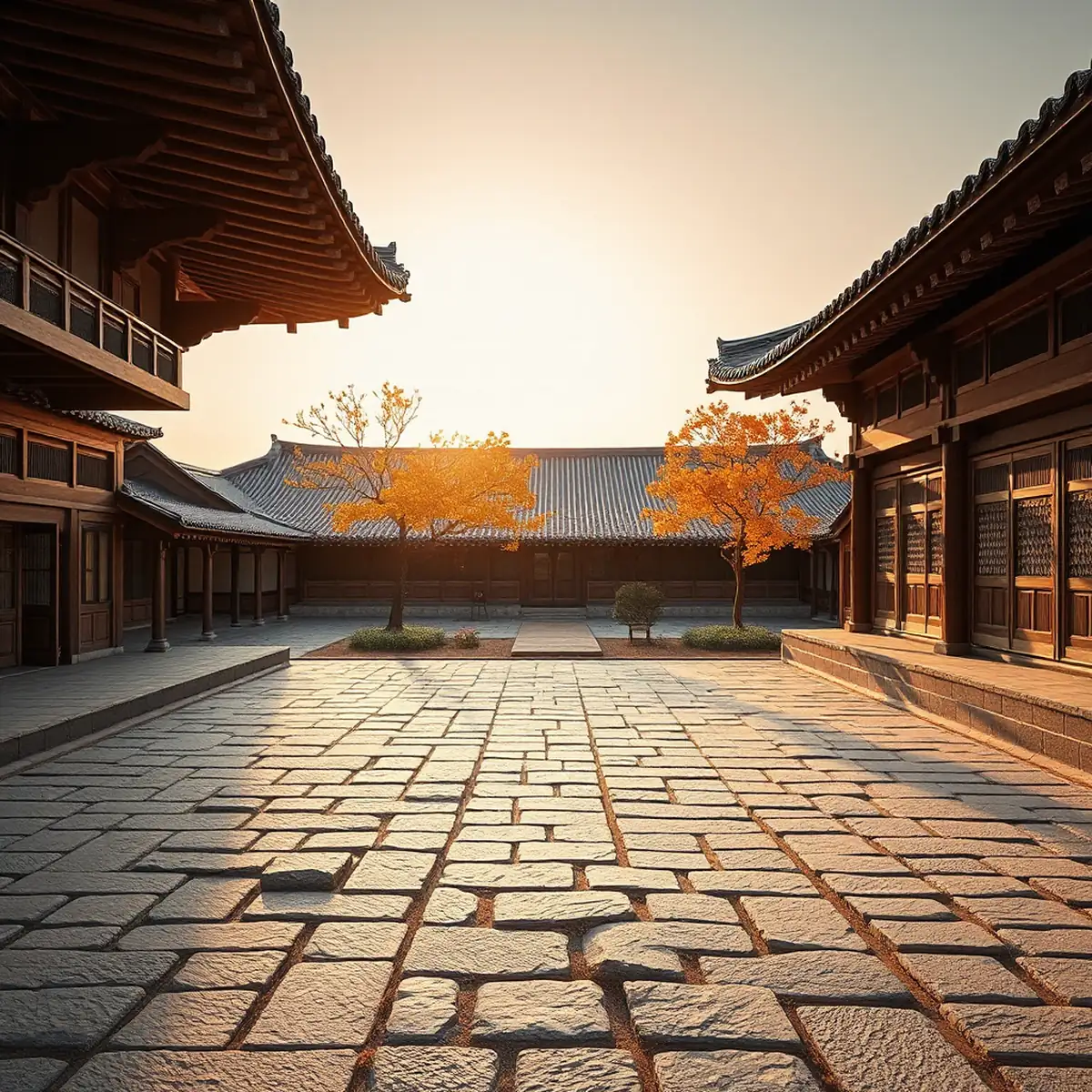
Even when viewing the same palaces or historical sites, some people are deeply moved, while others simply pass by. This difference is largely due to background knowledge. Cultural heritage is a field where the more you know, the more you see, and the deeper your appreciation becomes.
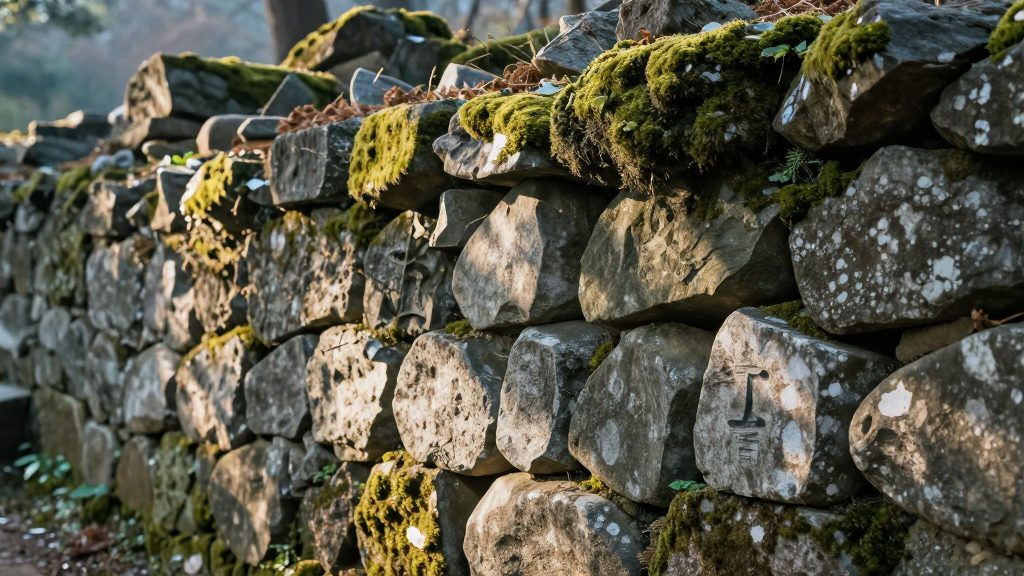
Every stone tells a story when you know the details.
Knowing who, why, and how something was created brings the stories contained within a building, sculpture, or even a single decorative pattern to life. The moment an "old building" transforms into a "record of its time," the depth of your exploration changes completely. Historical sites viewed with an understanding of their context become like a drama unfolding before you.
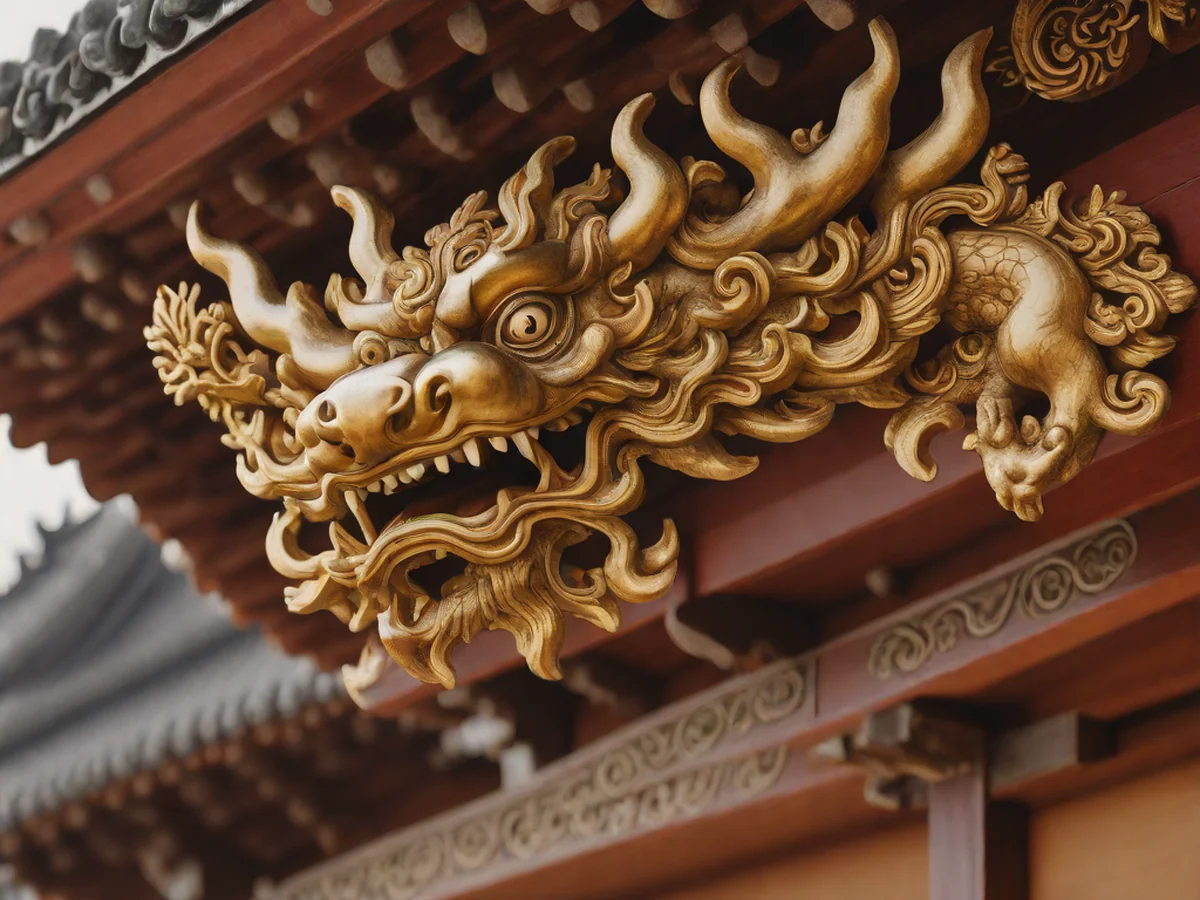
For example, even the small sculptures on palace roofs, the colors of the pillars, or the arrangement of the courtyards reflect the thoughts and order of people from that era. When you begin to decipher these "small clues," your exploration becomes as exciting as a treasure hunt.
Tips for a deeper appreciation:
- Prior learning: Even just knowing a little about the historical background before visiting is enough.
- Museum connection: Visiting both historical sites and museums together provides a more comprehensive understanding of the era.
- Utilize explanations: Listening to on-site cultural guides or audio tours helps you avoid missing important details.
- Take your time: Don't rush through everything like collecting stamps; savor each location thoroughly.
Cultural heritage in our everyday lives:
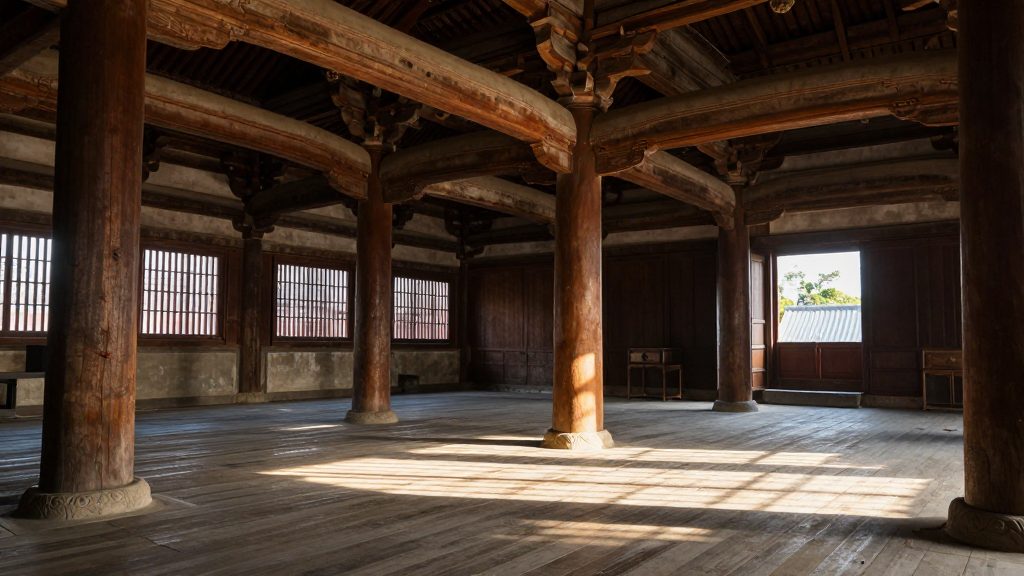
Stories are embedded not only in World Heritage sites but also in local Confucian schools, academies, and old buildings. There's great joy in discovering cultural heritage within your daily surroundings.
A quick guide before you explore:
- Focus on a few key things: Trying to see everything often results in seeing nothing.
- Observe before photographing: Take your time to truly observe with your eyes, then record what you see.
- Consider the season and time: The same location can look completely different depending on the light and scenery.
Shared experiences deepen understanding:
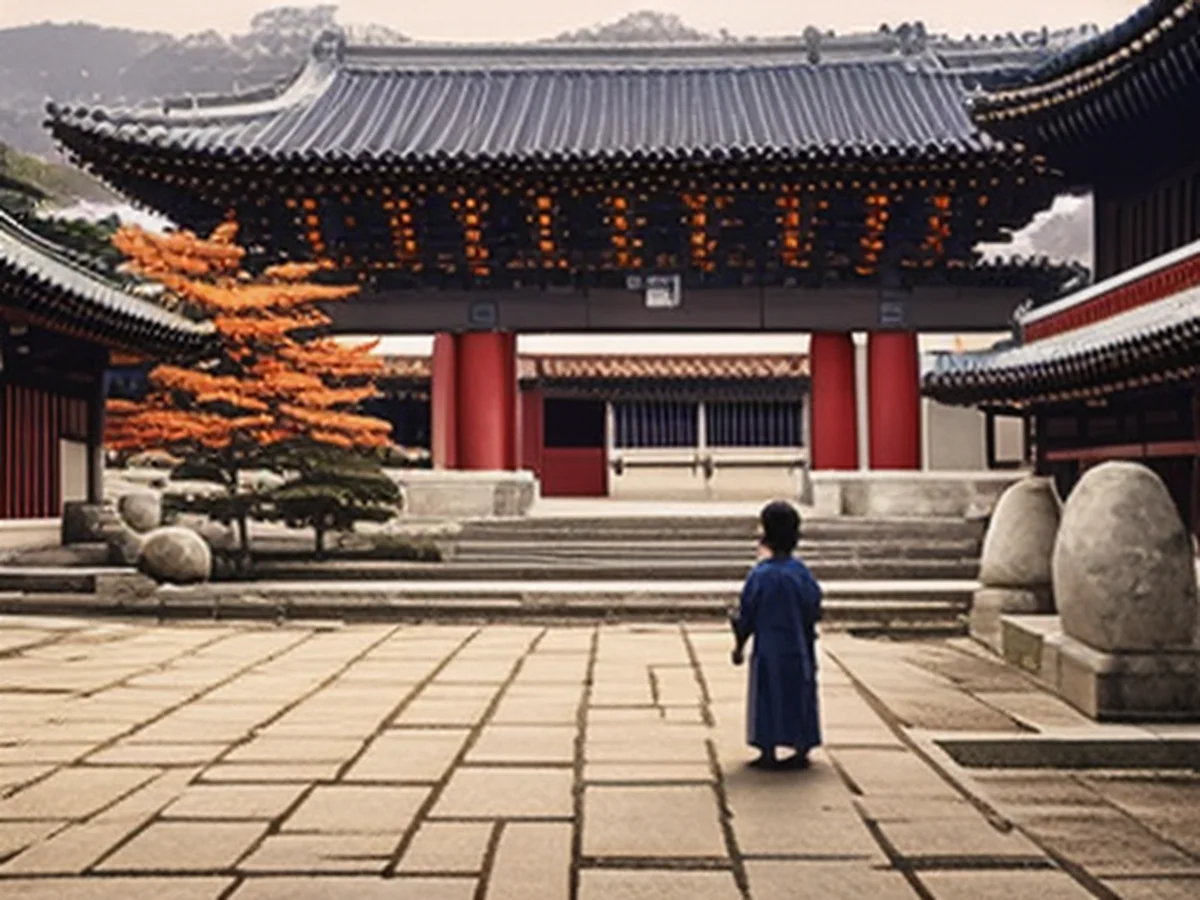
While exploring cultural heritage can be a solitary and contemplative experience, it takes on another meaning when shared with children or family. Simply sharing a story you know can create a lasting memory of that place for a child. You don't need specialized knowledge; simply being curious together – "Why does this building look like that?" – is enough. The process of asking and answering questions becomes a living history lesson. After your exploration, share your most memorable impressions with each other or record them. You'll discover that even when visiting the same place, different things resonate with different people, and sharing those differences is another source of enjoyment in exploration.
Cultural heritage is not a "tourist destination" but a "book filled with time."
Heritage channels like Olheritage share stories about World Heritage sites, domestic historical sites, palaces, museums, and other cultural heritage.
<!--enr--> ## Quick Comparison
| Aspect | Item A | Item B |
|---|---|---|
| Viewing Method | Quick glance without prior knowledge | Slow, thoughtful observation based on background understanding |
| Guide Utilization | Following a simple walking route | Using audio guides or professional cultural tour guides |
| Field Trip Objective | Scanning everything like stamp collecting | Focusing deeply on one or two key highlights |
| Family Engagement | Individual viewing that ends quickly | Sharing questions and stories together to build mutual understanding |
| Memorable Elements | Simple photo documentation | Discussing and recording impactful scenes after observation |
Frequently Asked Questions (FAQ)
Q1. What basic knowledge helps enhance your appreciation of cultural heritage? Even simple insights—such as the architectural purpose of palaces or ruins, historical context from different periods, and design principles—can greatly deepen your experience. For example, the layout of buildings from the Joseon Dynasty reflects social order and philosophical ideals; understanding this context transforms simple structures into meaningful messages from the past.
Q2. Why do you recommend observing before taking photos? Photography records a moment, but observation is the process of truly experiencing a place with your mind and senses. Taking time to see and feel a location before capturing it in photos helps you remember its atmosphere and significance for much longer.
Q3. What’s an effective way to explore cultural heritage with children? The most effective approach is to engage in questions like, "Why do you think this building looks this way?" You don’t need expert knowledge—just sharing curiosity and working together to find answers fosters children’s interest in history.
Q4. Can visiting the same heritage site multiple times still be enjoyable? Yes, cultural sites change with time and season. The direction of light, the color of trees, and seasonal shifts give the same place entirely different feelings. Moreover, returning with new knowledge often reveals fresh details and connections—making each visit a rewarding discovery.
Popular posts
7 Practical Tips for Appreciating Cultural Heritage (Essential Checklist for Exploring
Exploring Cultural Heritage: How to Connect with the Land – Okcheon Myeongryang Historic
How to properly appreciate Korean stone monuments: A 6-step checklist for a more
Comments 0