Exploring Cultural Heritage: How to Connect with the Land – Okcheon Myeongryang Historic
When visiting historical sites in Korea, the most important thing is not "what you see," but "how you see it." In particular, Ocheon Myeongnyang Historic Site and Gimhae Jinre Historic Site, while both record battles, offer completely different experiences in terms of the weight of time and the emotions evoked by their landscapes. Myeongnyang Historic Site preserves the intensity of battle, while Jinre Historic Site embodies the quiet breath of culture. Both sites hold historical significance, but the best choice depends on what kind of experience you are seeking. This article compares the two sites based on actual exploration criteria, providing specific guidelines for choosing the right site.
Subheadings
1. Atmosphere: Battle Intensity vs. Cultural Serenity
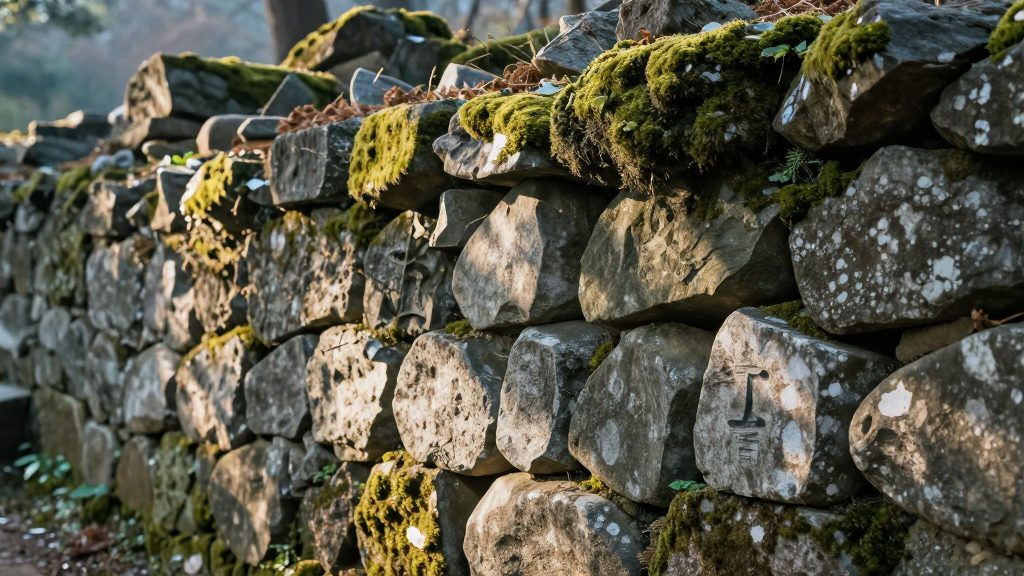
- Ocheon Myeongnyang Historic Site: The site, located along the coast and among rocks, retains a palpable sense of tension from the time of the battle. Coastal defense structures and sculptures recreating battle scenes stand on the ground, directly capturing attention and facilitating emotional immersion. Visiting during sunset allows you to physically feel the weight of history.
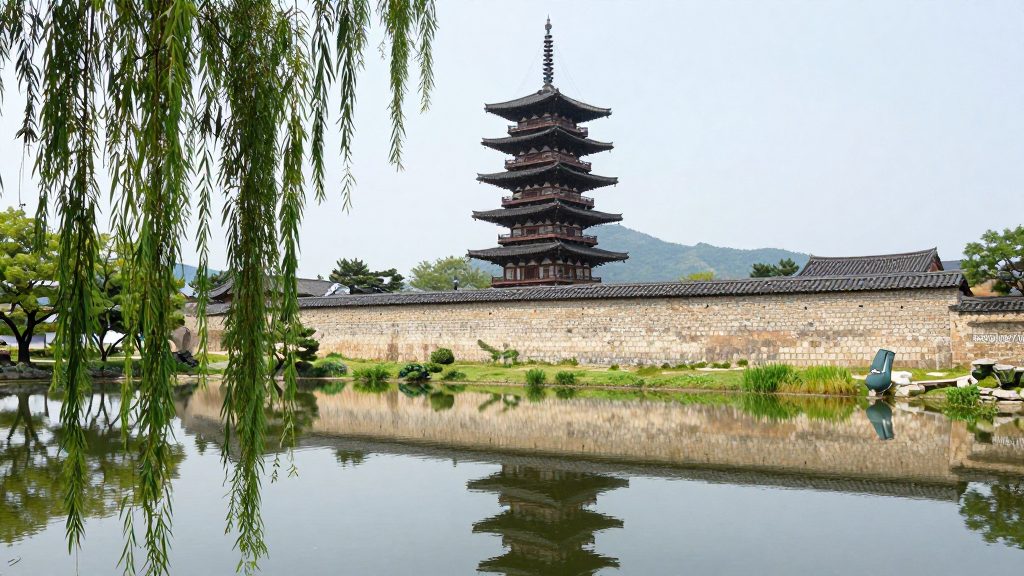
- Gimhae Jinre Historic Site: The remains of an ancient village nestled on a hillside blend seamlessly with nature, with vegetation growing among the ruins. The focus is less on building remains and more on gardens, old paths, and traces of the village. The key is a peaceful walk and a sense of reading the everyday lives of past inhabitants. The atmosphere is closer to "traces of time" than to history itself.
✅ Decision Point: If you are interested in military history, choose Myeongnyang. If you want to experience the traces of everyday life and emotions, choose Jinre.
2. Accessibility and Transportation: Quiet Isolation vs. Convenient Access
- Ocheon Myeongnyang Historic Site: Located in a small city, public transportation is limited. A car is essential, and the many slopes make walking challenging. However, this also means less urban complexity, making it ideal for contemplation.
- Gimhae Jinre Historic Site: Located near Gimhae City, it is easily accessible by subway and bus. Public transportation is readily available, and there are some nearby amenities. However, the walking paths within the site are designed to resemble natural trails, making movement easy but potentially exposing you to some urban noise and pedestrian traffic.
✅ Decision Point: If you want to minimize travel time and hassle, choose Gimhae. If a quiet environment is your priority, choose Ocheon.
3. Quality of Explanations and Information: Focus on Historical Facts vs. Cultural Emotions
- Ocheon Myeongnyang Historic Site: Explanations primarily focus on the flow of the battle, the naval situation, and equipment details. There are abundant visual aids, including maps and recreations of battle routes, but explanations about individual lives or emotional aspects of history are limited.
- Gimhae Jinre Historic Site: Many explanations focus on "life in the old village." There are many descriptions related to house types, farming methods, and cultural practices, giving the impression that history is alive through everyday scenes.
✅ Decision Point: If your goal is learning, choose Myeongnyang. If you are seeking an emotional experience, choose Jinre.
4. Recommended Visiting Times
- Ocheon Myeongnyang Historic Site: Around sunset (1 hour before to 30 minutes after). The shadows of the water and rocks blend together, allowing you to physically feel the weight of history. Be aware that some facilities may close as it gets dark.
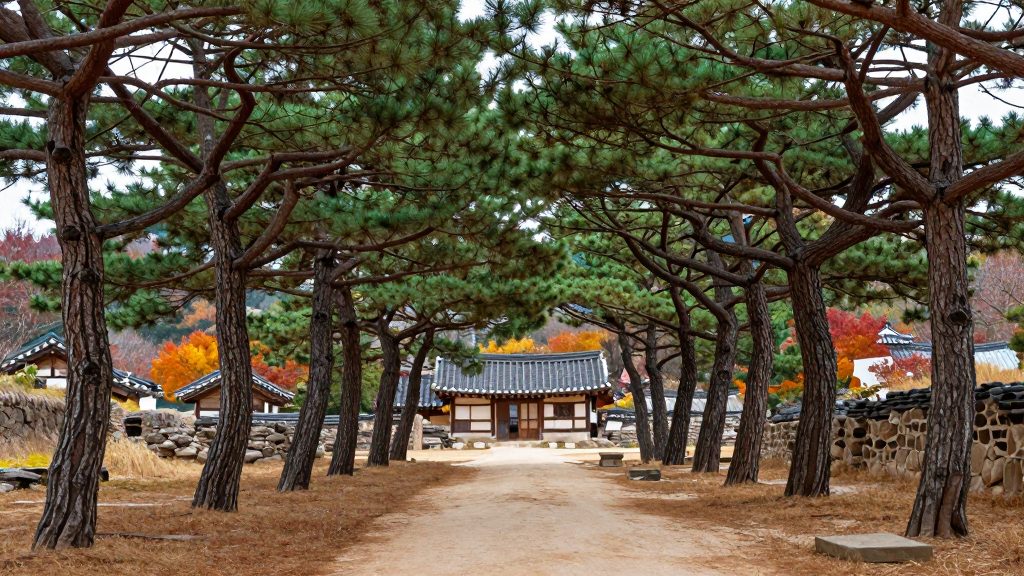
- Gimhae Jinre Historic Site: Between 9 and 10 AM. A peaceful walk is possible, and sunlight filters through the trees, beautifully illuminating the shadows of the old house foundations. The emotional stability provided by dawn is stronger than that of sunset.
✅ Decision Point: If you want a romantic atmosphere, choose Gimhae in the morning. If you prefer a dramatic scene, choose Myeongnyang around sunset.
| Item | Ocheon Myeongnyang Historic Site | Gimhae Jinre Historic Site |
|---|---|---|
| Main Atmosphere | Battle tension, historical intensity | Traces of everyday life, serenity blended with nature |
| Ease of Access | Car essential, walking challenging | Public transportation available, easy walking |
| Focus of Explanation | Flow of battle, map recreation | Everyday life, cultural emotions |
| Recommended Visiting Time | Around sunset (before and after) | 9-10 AM (early morning) |
Recommended For...
- Those who want to deeply immerse themselves in military history: Myeongnyang offers a realistic historical experience. It is particularly suitable for those who want to reflect on the spiritual memories of the "Japanese invasion."
- Those who want to experience the history and emotions embedded in everyday life: Jinre is a place where traces of "people's lives" remain, making it easier to develop an appreciation for cultural heritage and immerse yourself in the experience.
- Those who want to take a peaceful walk with family or friends: Gimhae is well-equipped with amenities and walking paths, making it suitable for visits with children or the elderly.
- Those interested in photography: Myeongnyang offers a striking composition of sea and rock sculptures at sunset, while Jinre offers unique "human-nature" harmony photos that capture the emotions of people among plants and trees.
Overall
When exploring cultural heritage, the most important question is "why are you going?" Choose Myeongnyang if you want to directly experience the intensity of the past, and choose Jinre if you want to discover the traces of everyday life where history lives. Both sites are valuable, but to truly appreciate their worth, choose the site that best aligns with your own emotions and goals.
Related posts
7 Practical Tips for Appreciating Cultural Heritage (Essential Checklist for Exploring
How to properly appreciate Korean stone monuments: A 6-step checklist for a more
Capturing Stunning Photos at Historical Sites: A Practical Guide from Composition to
Preserving Royal Architecture of the Joseon Dynasty: A Comparison of Methods Using Bricks
Popular posts
7 Practical Tips for Appreciating Cultural Heritage (Essential Checklist for Exploring
How to properly appreciate Korean stone monuments: A 6-step checklist for a more
Capturing Stunning Photos at Historical Sites: A Practical Guide from Composition to
Comments 0