Three ways to deeply understand Korean cultural heritage.
Korean cultural heritage is more than just beautiful architecture or ancient ruins. It represents traces of our history, the lives imbued with tradition and beliefs, and cultural symbols connected to local communities. The previous article, "See Cultural Heritage 200% - How to Enjoy It," focused on broadening our perspective when viewing cultural heritage. However, this time, we aim to explore an approach that goes beyond simply seeing – a way to *deepen our understanding and experience cultural heritage more meaningfully*. This article presents three approaches that go beyond simply observing, allowing us to understand the historical context, connect with local traditions, and engage with cultural heritage in a more profound way.
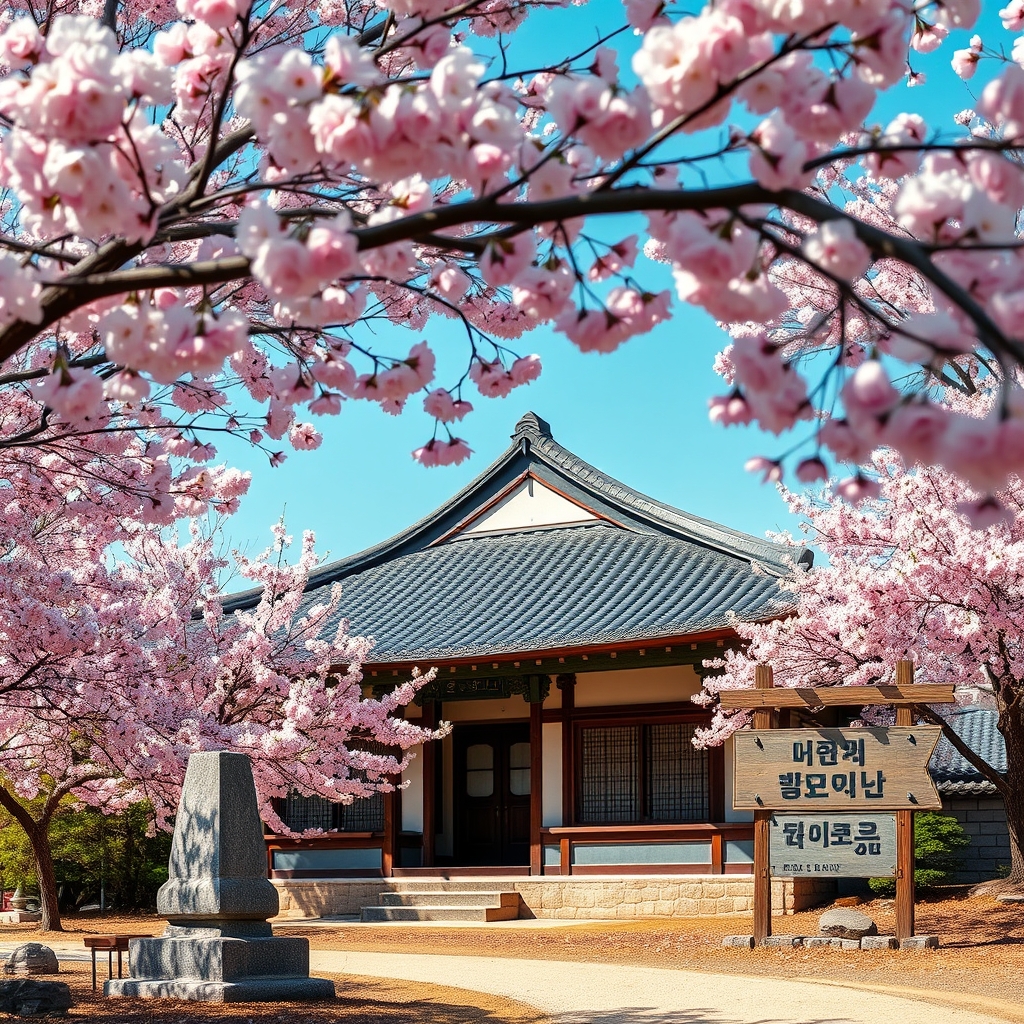
---
1. Reading Cultural Heritage "Through Time"
Cultural heritage isn't confined to the present; it's a living record spanning centuries. To truly understand cultural heritage, we must go beyond simply knowing "where it is now" and instead grasp how it has changed over time. This is what we call "reading through time."
For example, Gyeongbokgung Palace, a Joseon Dynasty palace, was also used as the "Governor-General's Office" during the Japanese colonial period. During this time, the architecture wasn's just a royal residence; it became a symbol of forced assimilation and colonial rule. Therefore, the current Gyeongbokgung Palace represents not only the legitimacy of the Joseon Dynasty but also the conflicts and resilience experienced during colonial history. It's crucial to trace these historical changes rather than just looking at the "current appearance."
The key is to be aware of the "history of the heritage." When visiting a historical site, instead of just taking pictures and saying it's "beautiful," start by considering what events occurred there, who used it for what purpose, and how it changed over time. To do this, be sure to read tourist information or exhibition materials, and consider using a guide. Utilizing official sources like the Korean Heritage Administration or the National Cultural Heritage Portal will provide more accurate historical information.
---
2. Connecting Cultural Heritage with Local Traditions
Cultural heritage is often perceived as being related to the "nation" or "past elites." However, in reality, its relationship with the local community is incredibly deep. Village shrines, traditional Hanok villages, and even spaces used for local festivals are not just monuments; they are part of the community that has lived and grown alongside them.
For example, Yeongsan Hall in Namwon, North Jeolla Province, is a beautiful venue for music performances, but it has also been a space where traditional music and dance have been taught and practiced for centuries. When visiting, it's important to observe how people are using the space today. This helps us understand that cultural heritage is "alive within the people."
Furthermore, places like Chunghyuang Academy or local markets are not just historical sites; they are still connected to people's daily lives. Instead of thinking of "heritage as relics of the past," observe how important these spaces are to local residents today. This demonstrates that cultural heritage is not just a "display" but an integral part of ongoing life.
---
3. Understanding Cultural Heritage Through "Participation"
Truly understanding cultural heritage requires more than just observing; it requires experiencing it firsthand. Intricately carved Buddhist sculptures, traditional musical instruments used in performances, and objects used in religious ceremonies may be "visually appealing" on their own, but they gain deeper meaning when viewed from the perspective of the user.
For example, experiencing a traditional Hanok by wearing a Hanbok and reciting poetry in the pavilion will lead to a deeper understanding of the space. Or, experiencing prayer at Gyeongju's Bomunsa Temple allows you to feel how Buddhist principles are woven into the space. These participatory experiences that engage the senses create lasting memories and deepen understanding.
Participating in cultural heritage-related festivals or traditional events is also crucial. For example, the Joseon King's graduation ceremony or a traditional music performance at Yeongsan Hall are not just "visually appealing events"; they are vibrant spaces where history comes alive. It's during these moments that "information we already know" becomes a sensory experience. This type of participation transforms our relationship with cultural heritage from simply "observing" to actively creating and experiencing it.
---
The older the cultural heritage, the deeper its meaning. However, this meaning cannot be reached through "simply observing." Reading it through time, connecting it with local traditions, and actively participating are the true ways to enjoy cultural heritage 200%. These three approaches allow us to move beyond seeing cultural heritage as "beautiful" and instead embrace it as a living part of our culture that we understand, empathize with, and cherish. Cultural heritage is not just a memory of the past; it's a link to the future.
Popular posts
7 Practical Tips for Appreciating Cultural Heritage (Essential Checklist for Exploring
Exploring Cultural Heritage: How to Connect with the Land – Okcheon Myeongryang Historic
How to properly appreciate Korean stone monuments: A 6-step checklist for a more
Comments 0