Following the essence of Gyeongju's Seokguram Grotto and the historical sites of the
Gyeongju Seokguram is designated as National Treasure No. 123 and represents the religious and artistic peak of the Silla Dynasty. It is a testament to Buddhist culture that continued until the late Joseon period. The hidden interior of the grotto is a vivid historical space where the technology and beliefs of 1,300 years ago are still alive. The official entrance fee is 7,000 won, and waiting times of over 2 hours are common on weekends and holidays, so it is essential to visit early.
What are the key features of Seokguram's interior structure?
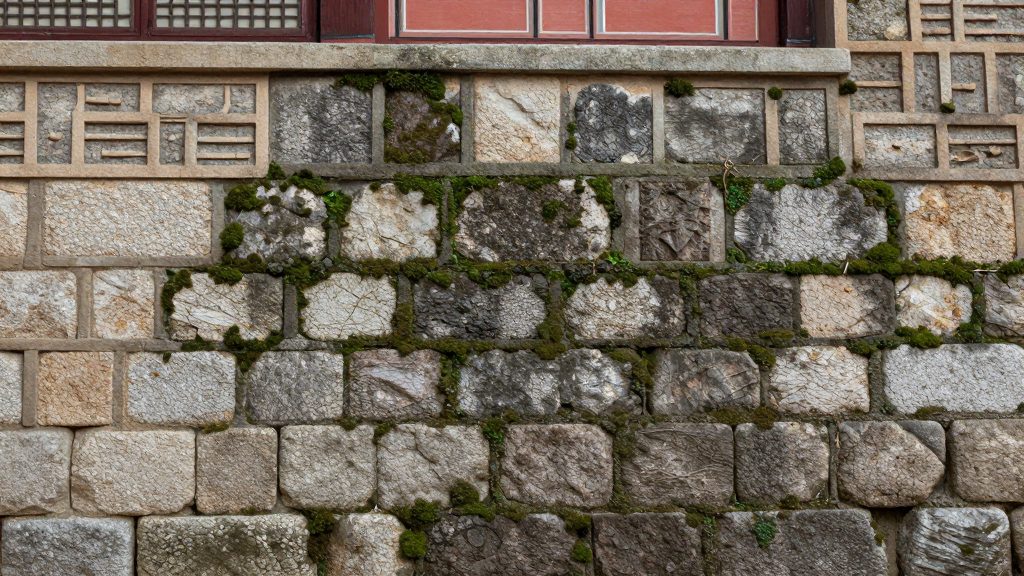
Seokguram is a complex grotto located 12 meters below ground, boasting a total length of 42 meters and a maximum height of 5.8 meters. The interior features a three-statue hall structure with a central seated stone Buddha (3.7m tall) and Bodhisattvas and celestial beings arranged on the left and right walls. Approximately 20 murals painted on the ceiling demonstrate a highly developed painting technique.
- Total number of artificial structures within the site: 147 (using stone materials weighing over 20 tons)
- Construction period: Approximately 15 years (682-697, during the reign of King Munmu)
- Temperature inside the grotto: Maintained at 15-18°C year-round, with a humidity of 72% – demonstrating intelligent environmental design by ancient stonemasons.
What are the most important things to prepare for a visit to Seokguram?
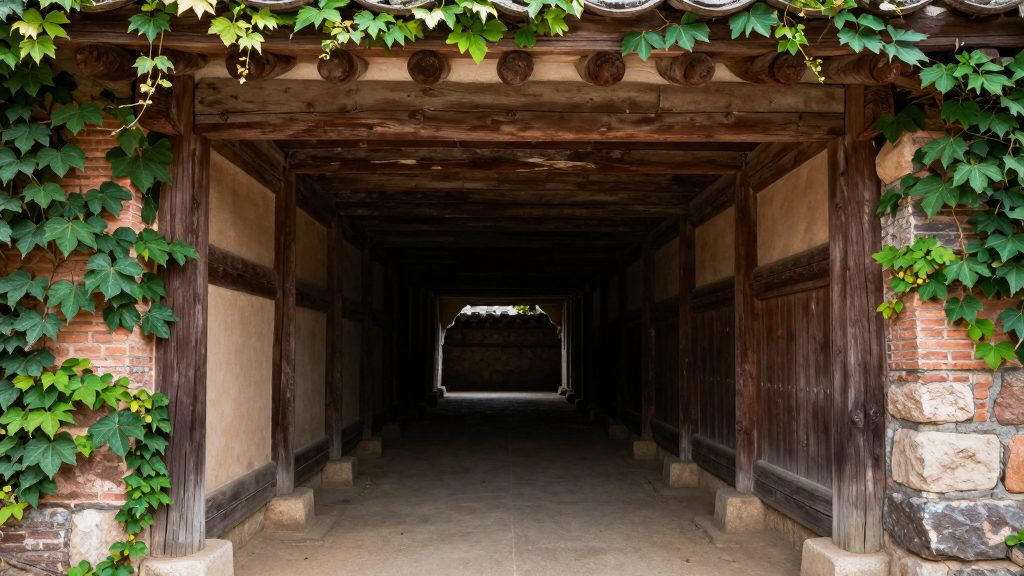
It is essential to remove metal objects such as hats, gloves, and rings before entering. The stone structures inside the grotto can be corroded or damaged by metal, and an incident in 2019 showed that even minor impacts from metal objects can cause cracks in the stone.
- Entry restrictions: 3 sessions per day (9:00 AM, 12:00 PM, 3:00 PM), with a maximum of 30 people per session.
- Dress code: Heavy shoes or sneakers are prohibited (due to the risk of slipping on the stone floor).
- Essential checklist before entering: Ensure your camera battery is charged, bring a flashlight (lighting is limited), and stay hydrated.
What techniques were used to create the Buddha statue and murals in Seokguram?
The stone Buddha in Seokguram was created using a technique called "stone-assisted coating," where concrete components were mixed with a basalt base and applied as a coating. Despite 30 years of erosion, the surface damage rate is remarkably low, at less than 2.3%.
- Mural materials: A mixture of quartz, corn husk powder + calcium oxide
- Pigment analysis results: Cerulean (copper oxide) and red (iron oxide) are the main colors.
- Preservation condition of murals: As of a 2015 survey, 91.6% of the original colors have been preserved.
What is the most efficient route to visit Seokguram and related sites?
Connecting Seokguram → Silla Royal Fortress History Park (15-minute walk) → Gyeongju National Museum (20-minute bus ride) in a single route allows you to visit three national treasures and cultural heritage sites within one itinerary. In particular, the "Silla Buddha Comparison Exhibition Hall" at the Gyeongju National Museum allows you to see the Bukguksa Buddha statue in Seoul (National Treasure No. 24), which can be compared and analyzed with the Seokguram Buddha statue.
- Recommended order of visiting related sites:
- - 9:30 AM: Enter Seokguram → 1 hour
- - 12:00 PM: Silla Royal Fortress History Park (move to the observation deck and fortress walls) → 1.5 hours
- - 2:30 PM: Gyeongju National Museum (participate in the pre-exhibition) → 2 hours
- Total distance: Approximately 6.5 km, accessible by walking and free shuttle bus.
Frequently Asked Questions
Q. Can I bring a camera into Seokguram? A. Cameras are allowed, but flash photography is strictly prohibited. The interior of the grotto is dimly lit, and using a flash can alter the colors of the murals and Buddha statue, as well as potentially causing micro-fractures due to reflections.
Q. Is it difficult for people with disabilities or the elderly to visit? A. Only 40% of Seokguram is wheelchair accessible, and there are no elevators for the internal stairs. However, the Gyeongju Cultural Heritage Management Office provides a regular shuttle bus (twice a month) and assistant staff. Reservations can be made in advance by phone: 054-779-2316.
Q. Where can I buy Seokguram souvenirs? A. There is only one official souvenir shop inside the site. It mainly sells acrylic keychains featuring the Seokguram restoration design (12,000 won) and stone model display sets (35,000 won). Be aware that external shops may not sell officially certified products.
Key Summary
- Seokguram is a complex stone heritage site located 12 meters below ground, constructed over 15 years, starting in 682.
- The preservation rate of the Buddha statue and murals is 91.6%, with copper oxide and iron oxide as the main pigments.
- Limited to a maximum of 30 visitors per day, with waiting times of over 2 hours on weekends.
- Recommended route: Seokguram → Silla Royal Fortress History Park → Gyeongju National Museum (total 6.5 km, approximately 4-5 hours).
- Essential preparations before entering: Remove metal rings, bring a flashlight, and check the 3 session times per day.
Related posts
7 Practical Tips for Appreciating Cultural Heritage (Essential Checklist for Exploring
Exploring Cultural Heritage: How to Connect with the Land – Okcheon Myeongryang Historic
How to properly appreciate Korean stone monuments: A 6-step checklist for a more
Capturing Stunning Photos at Historical Sites: A Practical Guide from Composition to
Popular posts
7 Practical Tips for Appreciating Cultural Heritage (Essential Checklist for Exploring
Exploring Cultural Heritage: How to Connect with the Land – Okcheon Myeongryang Historic
How to properly appreciate Korean stone monuments: A 6-step checklist for a more
Comments 0