Machu Picchu Guide: 15th Century Inca Engineering Secrets
Walking through the clouds, you can almost feel the heartbeat of a lost empire etched into every stone.
Machu Picchu is an architectural miracle perched 7,970 feet above sea level in the rugged Andes Mountains. This UNESCO World Heritage site serves as the ultimate testament to Inca ingenuity, blending advanced astronomy with earthquake-proof engineering.
* Historical Purpose: Likely built as a royal retreat or sacred sanctuary during the 15th century. * Masterful Engineering: Uses "Ashlar" masonry where stones fit perfectly without mortar to resist earthquakes. * Key Landmarks: Includes the Temple of the Sun, the Intihuatana stone, and massive agricultural terraces. * Sustainable Travel: Strict entry limits are now mandatory to combat overtourism and climate change.
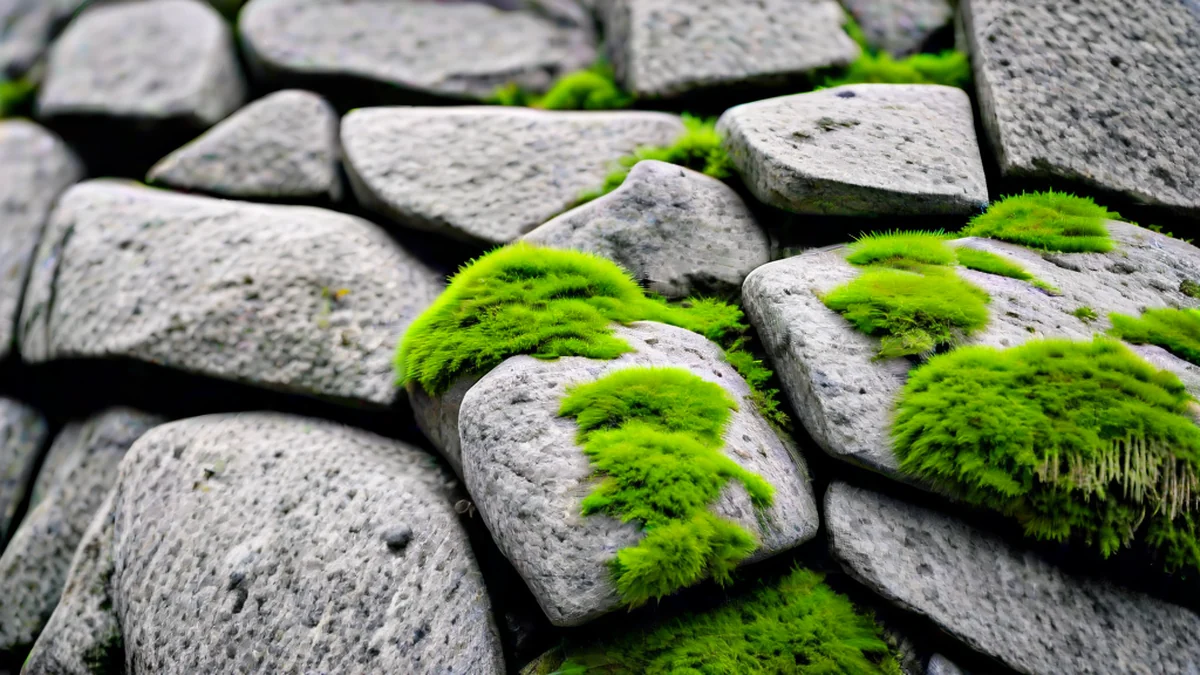
Why is Machu Picchu considered so mysterious?
To appreciate this site, you must understand the scale of the Inca Empire. According to UNESCO's 2025 global heritage report, Machu Picchu remains a top-tier destination with over 1.5 million inquiries regarding preservation protocols last year.
While historians once dated the site to around 1450, modern science offers new perspectives. For instance, a landmark study by Yale University anthropologists using AMS radiocarbon dating has sparked fresh debates regarding its exact timeline.
The city sits 50 miles northwest of Cusco. The decision to build in such an inaccessible location wasn't just for defense; it was deeply rooted in their astronomical alignments and spiritual connection to the mountains.
How did they build without mortar? Analyzing 'Ashlar' technology
When I first stood near the agricultural terraces, the precision of the granite work took my breath away. I remember running my hand along a massive stone block; it felt as smooth as if it had been polished by a machine yesterday.
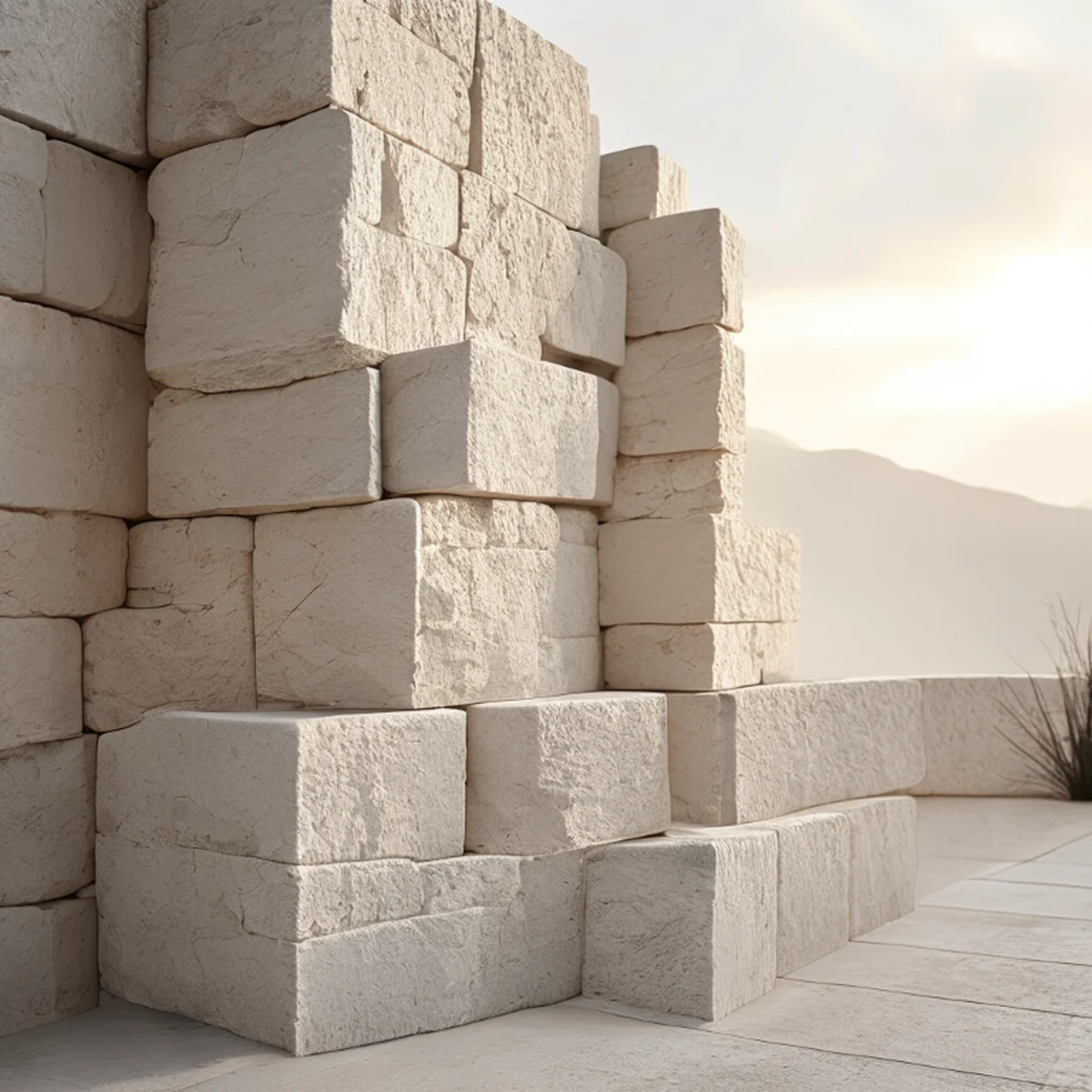
The Inca utilized "Ashlar" masonry. Instead of using mud or cement, they carved each piece to fit its neighbor like a complex 3D puzzle. This was a brilliant survival strategy for a high-seismic zone.
In the Andes, earthquakes are frequent. Because these stones aren't glued down, they can actually "dance" during a tremor, shifting slightly to absorb vibration before settling back into place.
Furthermore, their drainage systems are a marvel. To prevent landslides during heavy rains, the Inca designed multi-layered sub-surface drains using gravel and crushed stone. They mastered the mechanics of nature rather than fighting them.
What are the must-see structures in the citadel?
The site is divided into residential, agricultural, and sacred sectors. Each reflects a different facet of Inca life through specialized architecture.
- Temple of the Sun: A semi-circular structure built for astronomical observation. During the summer solstice, sunlight hits specific windows with mathematical precision.
- Intihuatana: This carved stone functioned as a ritual calendar to track seasons and solar positions.
- Agricultural Terraces: These acted as massive retaining walls that prevented the mountain from eroding under the weight of the city.
| Feature | Primary Characteristic | Main Function |
|---|---|---|
| Temple of the Sun | Semi-circular design | Solar worship and tracking |
| Intihuatana | Carved ritual stone pillar | Seasonal measurement |
| Terraces | Multi-layered stone steps | Food production and stability |
How do I plan a perfect trip to the ruins?
Your experience depends on how you arrive. According to the Peruvian Ministry of Culture's 2026 seasonal announcement, daily visitor caps are strictly enforced to maintain site integrity.
[Step-by-Step Planning Guide] 1. Book Early: Secure tickets at least 4 months in advance. Popular routes like Huayna Picchu sell out almost instantly. 2. Choose Your Route: Decide between the luxury train from Cusco or the physical challenge of the Inca Trail trek. 3. Acclimatize Properly: Spend 48 hours in the Sacred Valley first. Sip local coca tea to help your body adjust to the altitude.
While most take the scenic train, I highly recommend the 4-day Inca Trail if you are able. Seeing the mist clear at the Sun Gate is a life-changing moment.
However, keep in mind that trekking requires significant physical fitness and can be affected by sudden weather shifts.
Is the site at risk from modern threats?
Despite its grandeur, Machu Picchu faces challenges. The Peruvian government declared a 126-square-mile Historic Sanctuary to protect it, but new pressures are mounting.
Climate change is a primary concern. Erratic rainfall patterns and intense storms threaten the stability of ancient walls. Additionally, "overtourism" causes concerns regarding soil compaction.
There is a delicate balance between tourism and ecology. The sanctuary is home to rare species like the Andean fox. UNESCO continues to monitor the site closely to ensure it survives for another 500 years.

Comments 0