7 Practical Tips for Appreciating Cultural Heritage
Cultural heritage is more than just a scenic view; it encapsulates centuries of history, the lives and beliefs of people, and their accumulated knowledge and skills. However, many visitors treat historical sites as mere photo opportunities, rushing through without truly engaging with the experience.
This article provides a practical guide to exploring historical sites in a more meaningful way. Here are 7 essential checkpoints that you can apply on-site to deepen your understanding and create lasting memories.
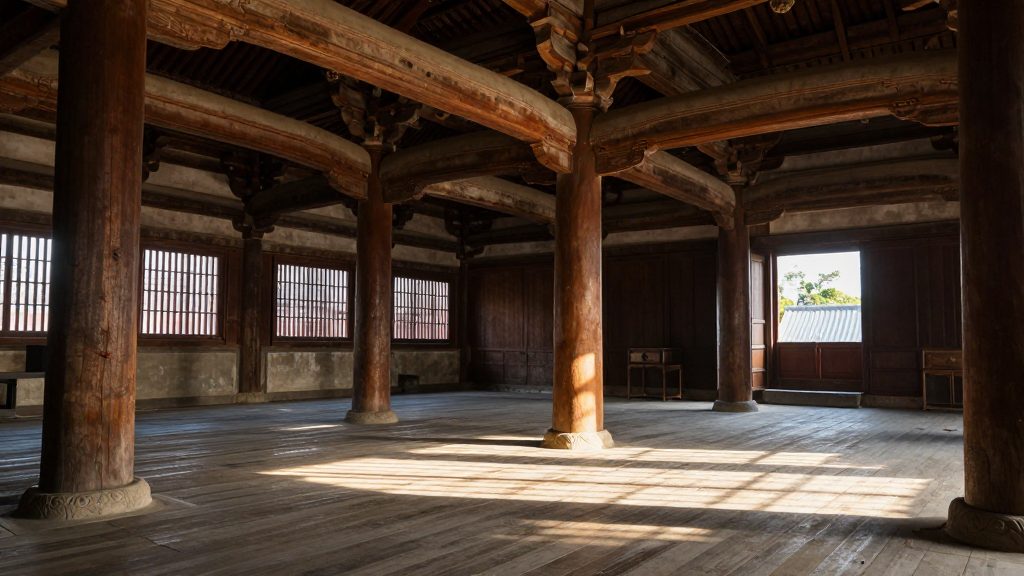
1. Prepare in Advance: Build a Foundation of Knowledge
Your understanding at the site is heavily influenced by your prior knowledge. Simply having a basic understanding of the historical context, architectural style, and key figures or events associated with the site can significantly enhance your experience.
Instead of passively reading potentially dense explanations on information boards, focus on understanding *why* the site is historically significant before you arrive.
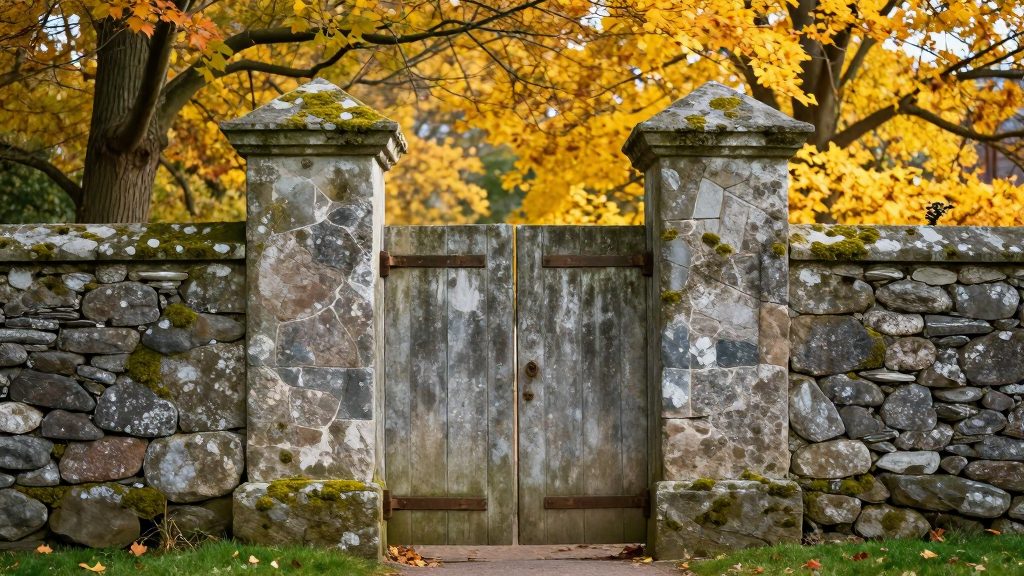
2. Plan Your Route: Establish a "Viewing Flow" from the Entrance
Many visitors fail to properly examine site maps or informational displays before entering, leading them to wander aimlessly. Take just 3 minutes at the information center to carefully review the basic map or flow diagram.
Especially in sites with a chronological sequence or spatial structure, ignoring this flow can lead you to miss key areas or become disoriented.
Mentally prepare yourself to follow the "journey through time" that the site offers.
According to UNESCO's 2024 report, protecting global heritage sites is more critical than ever. In 2023 alone, researchers identified over 1,100 sites requiring urgent conservation efforts to prevent permanent loss.
3. Ask Questions Before Reading: Engage Your Mind with Inquiry
The habit of automatically reading information boards without prior thought is a passive way to consume information.
Before looking at an information board, ask yourself questions like: "Who built this site and why was it needed?" Asking these questions activates your brain, allowing it to select and retain information more effectively.
For example, asking "Why was this fortress built on a mountain?" will prompt you to consider the terrain and defensive strategies, leading to a deeper understanding of the information presented.
According to the World Tourism Organization's 2024 report, meaningful travel is a growing trend. Their data shows that by 2025, nearly 60% of international travelers will prioritize cultural immersion over simple sightseeing.
4. Use Photos as "Interpretation Tools," Not Just Records
If the sole purpose of taking photos at a historical site is to capture "pretty old buildings," those memories will quickly fade.
Instead, when taking photos, ask yourself: "What are the unique features of this building?" "What is the meaning behind these patterns or materials?" Photos should serve as a "memory map," and to achieve this, you need to develop the habit of recording your interpretations alongside the visual record.
According to the National Endowment for the Arts' 2024 report, community engagement drives site longevity. They noted that in 2022, funding for local heritage programs increased by 15% to support educational outreach.
5. Engage Your Senses: Experience the Site with Your Hands (Where Permitted)
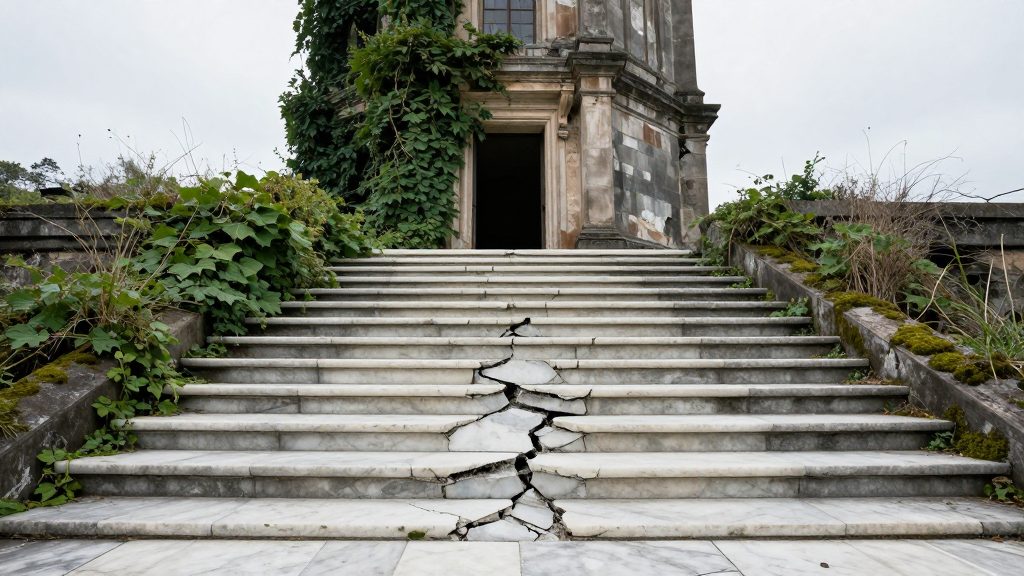
Experiencing a historical site is not just about seeing; it's also about feeling. Touching the texture of the stone, examining the cracks in the walls, or tracing the marks left by wood can dramatically enhance your connection to history.
Where permitted, using your sense of touch is a way to move beyond passive observation and begin to "empathize" with the past. However, be mindful of protected areas and clearly understand where touching is prohibited.
6. Compare and Contrast: Strengthen Your Memory Through Analysis
A visit to a historical site should be an opportunity to compare and contrast different cultures or periods of architecture.
For example, comparing a Joseon-era fortress with a Sengoku-period Japanese castle can reveal how both structures approached the common goal of "defense" using different methods.
The moment you understand these differences, the site becomes a "piece of evidence," moving beyond a simple explanation of "what used to exist."
7. Reflect and Summarize: Record Your Feelings in Three Sentences
After visiting a historical site, take just 3 minutes to summarize "What did I feel?" Even if the experience was deeply moving, failing to reflect on it will leave you with just "another day's walk." For example: "I was amazed by the fact that this fortress was built to protect peace.
I could imagine how much risk people took just to survive. It made me appreciate the peace we have today." These brief reflections will help you recall the experience even a year later.
Cultural heritage is not something to be "seen"; it's a "dialogue space" that connects with your own memories. By applying these practical tips – from preparation to on-site engagement and post-visit reflection – you can ensure that the site becomes a part of your own life.
It's about developing a habit of thinking about history, which is the true beginning of "heritage preservation."

Comments 0