70-Day Mummification Reveals Chemical Secrets of Egypt
Journey into the afterlife and beyond: deciphering the profound meaning embedded within the enduring artifacts of Ancient Egypt.
The golden masks and stone statues of the Nile Valley were never meant to be mere decorations for museum glass. They were functional tools, engineered to bridge the gap between the living and the eternal.
KEY TAKEAWAYS: * Artifacts served as vital conduits between the mortal and divine realms, rather than simple decorative objects. * Advanced preservation techniques, such as the 70-day mummification process, reveal sophisticated chemical and biological knowledge.
* The material culture reflects a complex societal structure, including standardized economic systems and rigid religious beliefs. * The physical condition of these finds provides direct insight to the challenges of modern archaeological preservation.
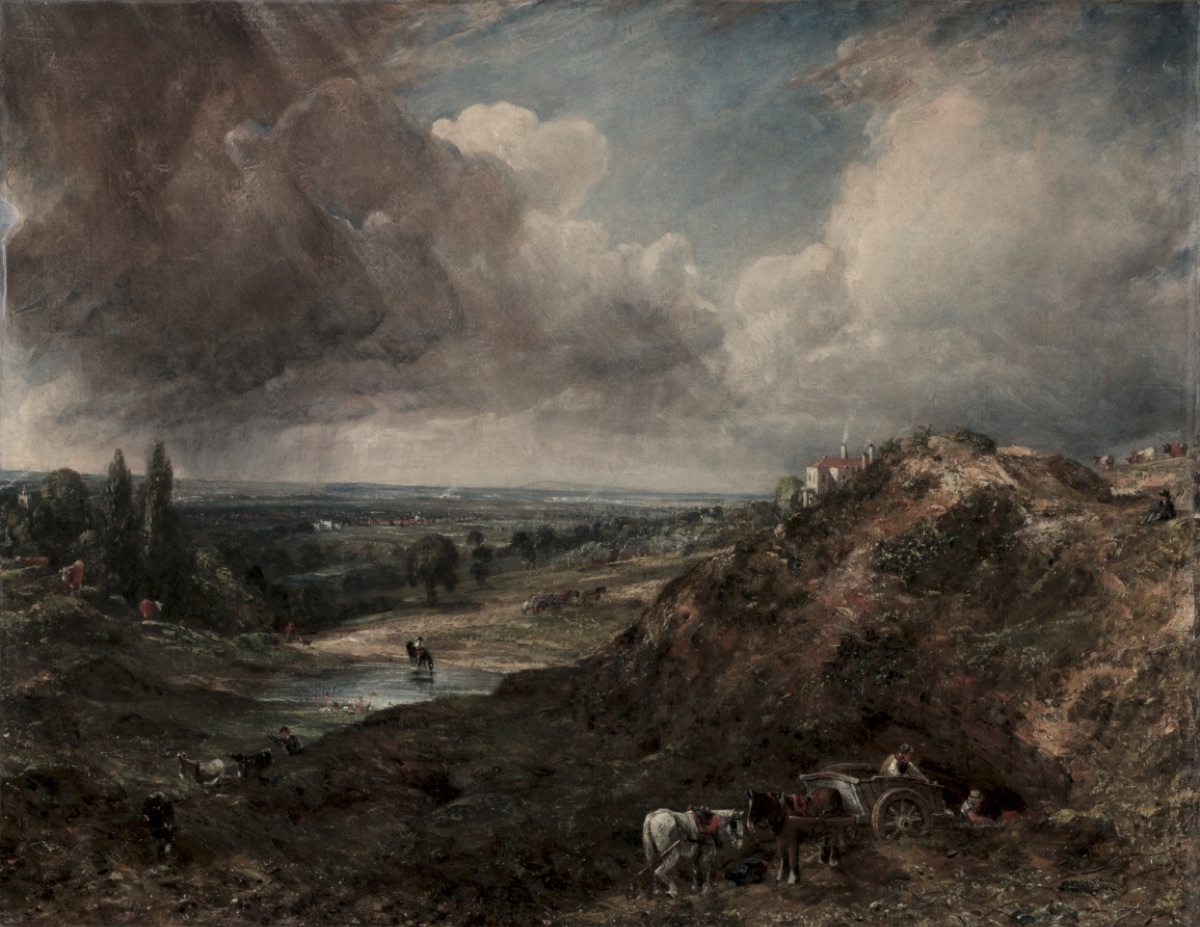
What Narratives Do These Artifacts Tell About Ancient Egyptian Beliefs?
At 6:00 PM in a dim, limestone tomb chamber, a priest carefully places a linen-wrapped figure onto a stone plinth. In the flickering torchlight, the gold-leafed eyes of a statue seem to watch the movements of the living, bridging two worlds.
The artifacts discovered in the Valley of the Kings and across the Nile tell a story of a society where death was not an end, but a transition. Every 1 small amulet, every 1 papyrus scroll, and every 1 heavy stone sarcophagus was designed to support the soul in its journey.
The Egyptians believed that the afterlife was a continuation of earthly existence, requiring the same tools, comforts, and identities one held in life. In 2025, as we look back at these treasures, we see that they were not just symbols but survival kits for the soul.
Because the soul required a physical vessel to return to, the creation of these objects was deeply tied to the concept of rebirth. The pantheon of gods was not distant; through statues and ritual objects, the divine was made present in the material world.
This integration of life and death meant that an object’s value was measured by its ability to function in the next world. But the physical creation of these items required more than just faith; it required intense technical mastery.
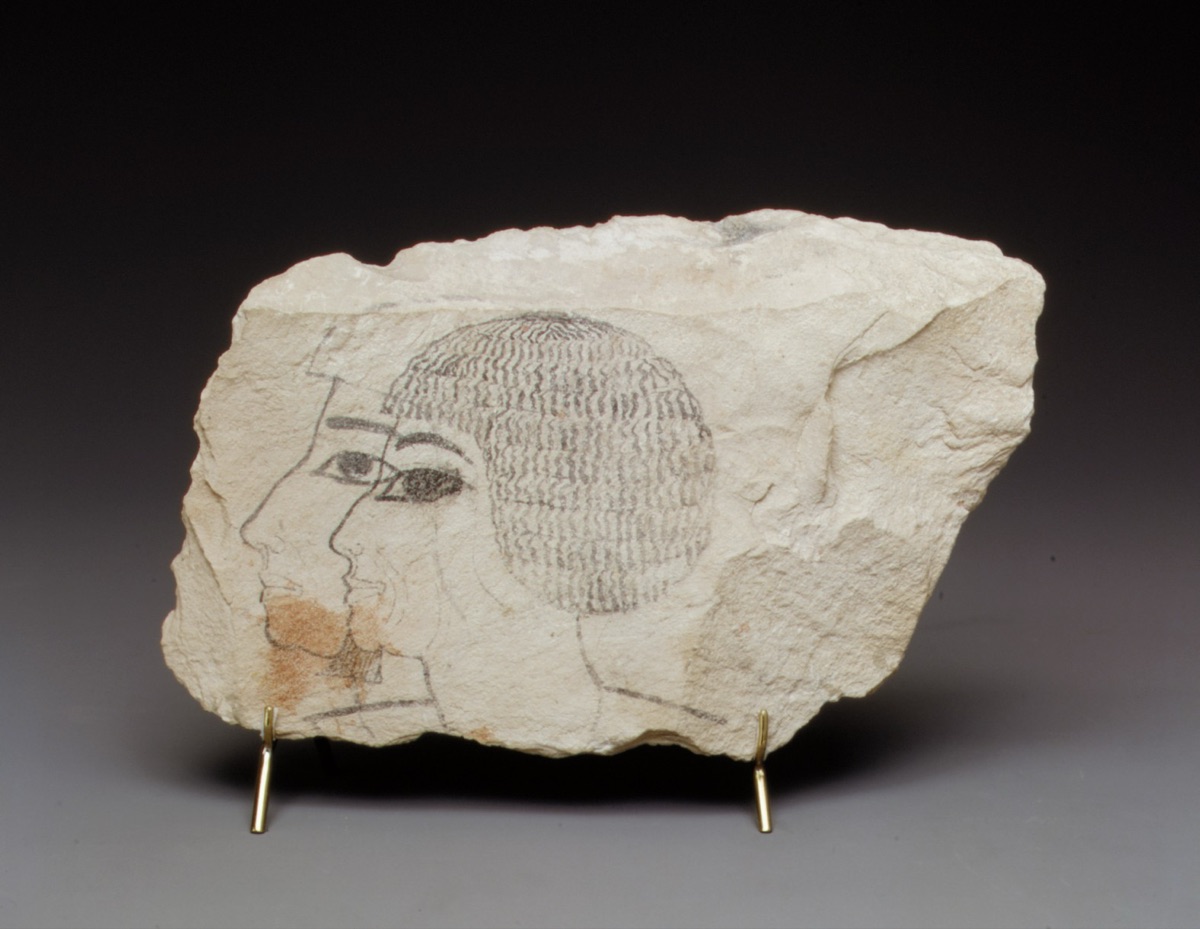
How Did Ancient Egyptians Create and Value These Masterpieces?
A craftsman sits in the heat of a workshop in Thebes at noon, carefully polishing a piece of lapis lazuli with 2 handfuls of fine sand and 1 liter of water. His hands, calloused from years of precision work, move with the certainty of someone following a divine blueprint.
The production of high-status items required specialized craftsmanship that was often hereditary. Artisans were not merely laborers; they were masters of chemistry, geometry, and aesthetics.
They used specific materials—resins, pigments, and precious metals—to ensure that their creations would achieve permanence. Gold was particularly prized because it was believed to be the flesh of the gods, a material that would never tarnish or decay.
The economic basis of society provided the wealth necessary to commission these masterpieces. While the society was highly stratified, the ability to accumulate resources allowed for the massive investment in funerary goods.
The process of creating an artifact was a ritual in itself, moving from the raw extraction of stone or metal to the final, sacred inscriptions that gave the object its power. However, the real magic happened when these objects met the biological reality of the human body.
What Technical Advancements Do These Artifacts Reveal?
The desert wind howls outside a tomb at 3:00 AM as archaeologists carefully brush dust from a perfectly preserved linen wrap. The body beneath is remarkably intact, a testament to a science that mastered the art of halting decay thousands of years ago.
The technical sophistication of the Egyptians is most evident in their mastery of biological preservation. By the New Kingdom, the ancient Egyptians had perfected the art of mummification.
The best technique took 70 days and involved removing the internal organs, removing the brain through the nose, and desiccating the body in a mixture of salts called natron.
This multi-stage process was not merely ritualistic; it was a calculated chemical procedure. The use of natron, a naturally occurring salt, was essential for drawing moisture out of the tissues to prevent decomposition.
The societal investment in these processes was immense, reflecting a collective belief that the integrity of the physical body was the only way to ensure the survival of the spirit for eternity. But how do we handle these delicate remains in the modern era?
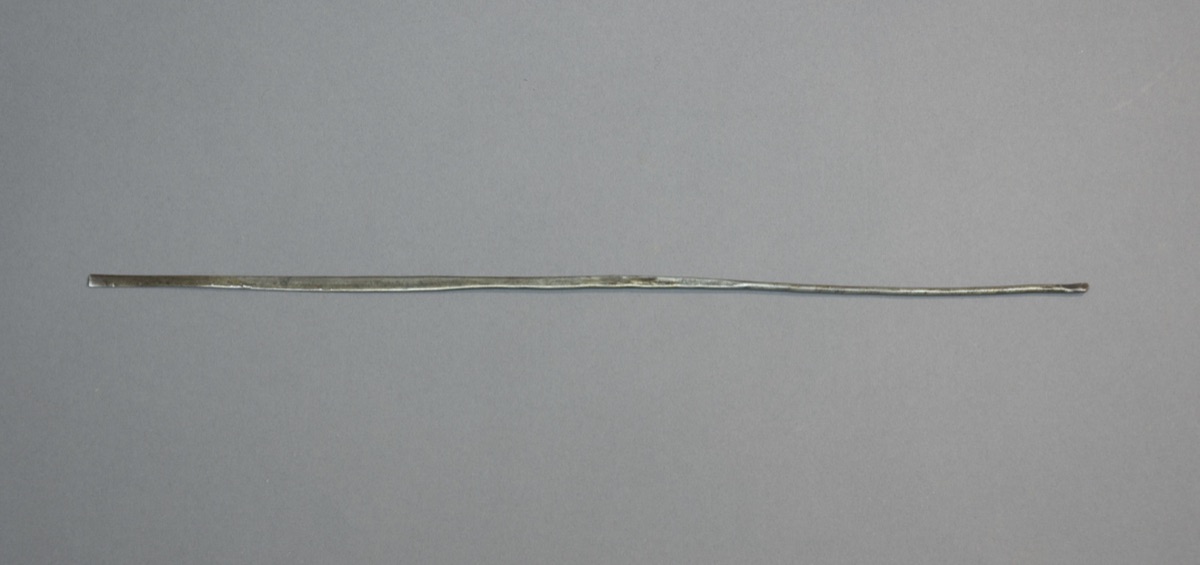
How Do We Understand the Value and Function of These Finds Today?
A researcher in a temperature-controlled laboratory in 2026 examines a fractured ceramic vessel under a magnifying lens. The silence of the lab is heavy with the weight of the history being handled with 1 pair of tweezers and 1 soft brush.
When archaeologists discover an artifact, the first task is not just to remove it, but to assess its context. Modern discovery involves a delicate balance between excavating the object and documenting the exact position in which it was found.
The original intent of an object—whether it was a personal trinket or a massive cult statue—is often debated by scholars who must interpret ancient symbols through a modern lens.
The challenges of stabilizing these finds after millennia are constant. Changes in humidity, light exposure, and temperature can destroy an artifact in weeks if not managed.
Meticulous documentation regarding the condition and the original site is the only way to ensure that the history remains legible for future generations. This balance of science and history leads us to the practicalities of how they actually lived.
Beyond the Tomb: The Artifacts in Daily Life and Economy?
A merchant in an ancient marketplace holds 1 copper ring in one hand and 1 heavy sack of grain in the other, nodding to a customer as they negotiate a trade. The scales are balanced, and the weight of the metal is the final word in the deal.
While many famous finds come from tombs, the economy of ancient Egypt was driven by much more than religious offerings.
Although the ancient Egyptians did not use coinage until the Late period, they did use a type of money-barter system, with standard sacks of grain and the deben, a weight of roughly 91 g (3 oz) of copper or silver, forming a common denominator.
The use of the deben provided a standardized way to value goods, allowing for a complex economy to function across vast distances. This system of weights and measures meant that even in a society without minted coins, trade was precise and regulated.
The relationship between religious belief and secular practice was seamless; the same standards of honesty and measurement used in the marketplace were often seen as reflections of cosmic order.
| Feature | Funerary Artifacts | Daily Life Artifacts |
|---|---|---|
| Primary Purpose | Ensuring afterlife survival | Practical utility and trade |
| Common Materials | Gold, Lapis Lazuli, Granite | Clay, Copper, Linen, Wood |
| Key Context | Tombs, Temples, Sarcophagi | Markets, Homes, Granaries |
| Preservation Goal | Eternal permanence | Durability for usage |
When I first studied these historical trade records, I was struck by how much the physical weight of an object dictated the entire social hierarchy. It wasn't just about the gold; it was about the mathematical precision that kept a civilization running.
Summary of Ancient Egyptian Practical Knowledge
- The Mummification Process: A 70-day cycle involving organ removal and natron desiccation to preserve the body.
- The Economic Standard: The use of the *deben* (roughly 91 g of copper or silver) to facilitate trade and barter.
- Material Selection: Using gold and stone to mimic the eternal nature of the gods.
- Documentary Importance: The necessity of recording the exact find-site to understand the artifact's original function.
Limitations and Trade-offs
It is important to note that archaeological interpretation is rarely absolute. Because organic materials like wood and fabric decay differently than stone or gold, our understanding of the "complete" Egyptian record is skewed toward the most durable objects.
We must balance the desire to reconstruct an entire culture with the reality that many of their most vital tools—made of leather, cloth, or wood—may have vanished entirely.
#


Comments 0