Artifact historical context: Guide to cultural items
"The preservation of our past requires more than just physical upkeep; it demands a bridge between ancient stories and the modern gaze."
Exploring the historical background of an artifact requires understanding the cultural environment that shaped its creation.
This guide examines how historical context defines the meaning of cultural items, how digital efforts preserve the legacy of heritage sites, and how linguistic evolution preserves cultural roots.

You will learn to identify the intersection of history and physical objects, though this study is limited to the specific historical contexts provided in the source material.
How does the artifact historical context shape meaning?
At dusk in the quiet museum, her fingers tremble as she traces the deep grooves of the ancient artifact to understand the struggles of a lost era.
A researcher stands before a weathered stone relief, tracing the lines of a forgotten dynasty. Understanding the artifact historical context is essential because every scratch and carving reflects the specific social, political, and religious pressures of its era.
Without this context, a relic is merely an object rather than a vessel of human history.
The historical background of an item often reveals the values of the people who made it.
This institution provides the necessary framework to understand how regional developments influenced local archaeological finds.
A museum curator organizes a display, carefully placing a small jade carving next to a map of an ancient trade route. This process ensures that the object's history and meaning are communicated clearly to the public.
By placing an item within its specific time and place, researchers can explain why certain materials or styles were chosen.
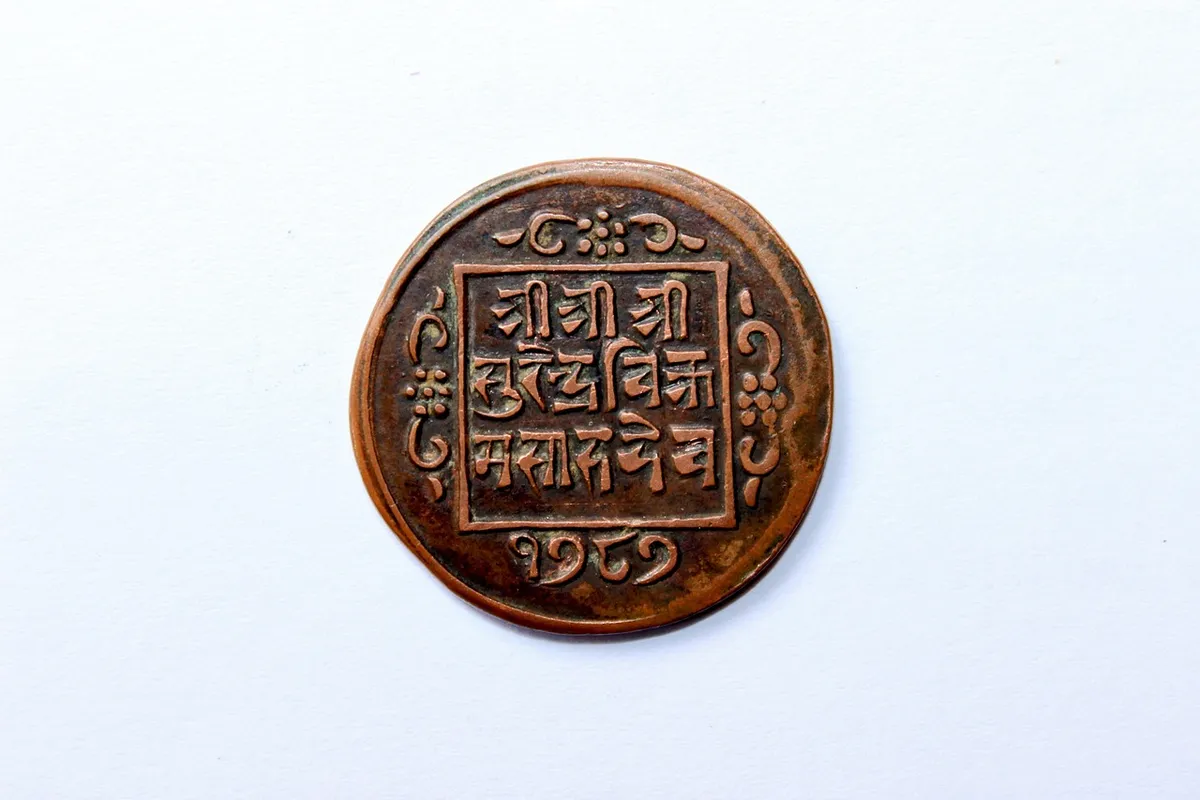
The study of cultural significance of items often involves looking at the intersection of geography and human activity. In some regions, the landscape itself dictates the development of culture.
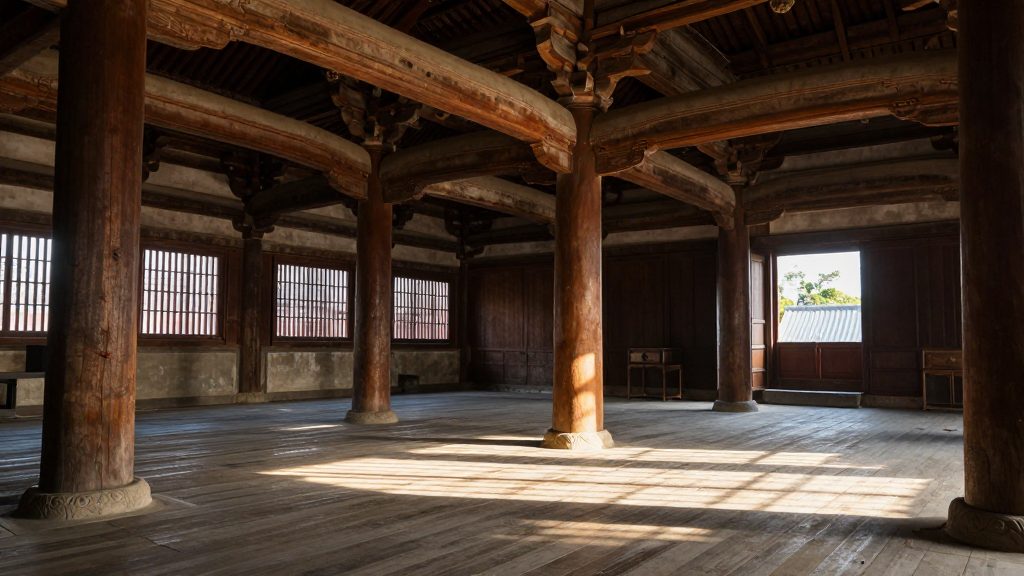
For instance, the Wudang Mountain in Hubei, featuring 72 peaks covering 30 km2 (12 sq mi), forms a sacred site of Taoism. This massive landscape preserves one of China's most complete and largest-scale ancient Taoist architecture.
The original environment in which an object was created provides the essential framework for understanding its purpose and symbolic value.
How can digital technologies revitalize an artifact historical context?
A technician adjusts a high-resolution camera to capture the intricate details of a crumbling wall. Modern tools allow us to bring the historical heritage of specific locations to life, ensuring that even fragile sites can be studied without physical degradation.
This digital transition helps bridge the gap between the physical past and the virtual future.
Digital preservation projects allow for a more immersive understanding of heritage.
This initiative uses modern technology to make history accessible to a wider audience.
The process of digital reconstruction typically follows these steps:
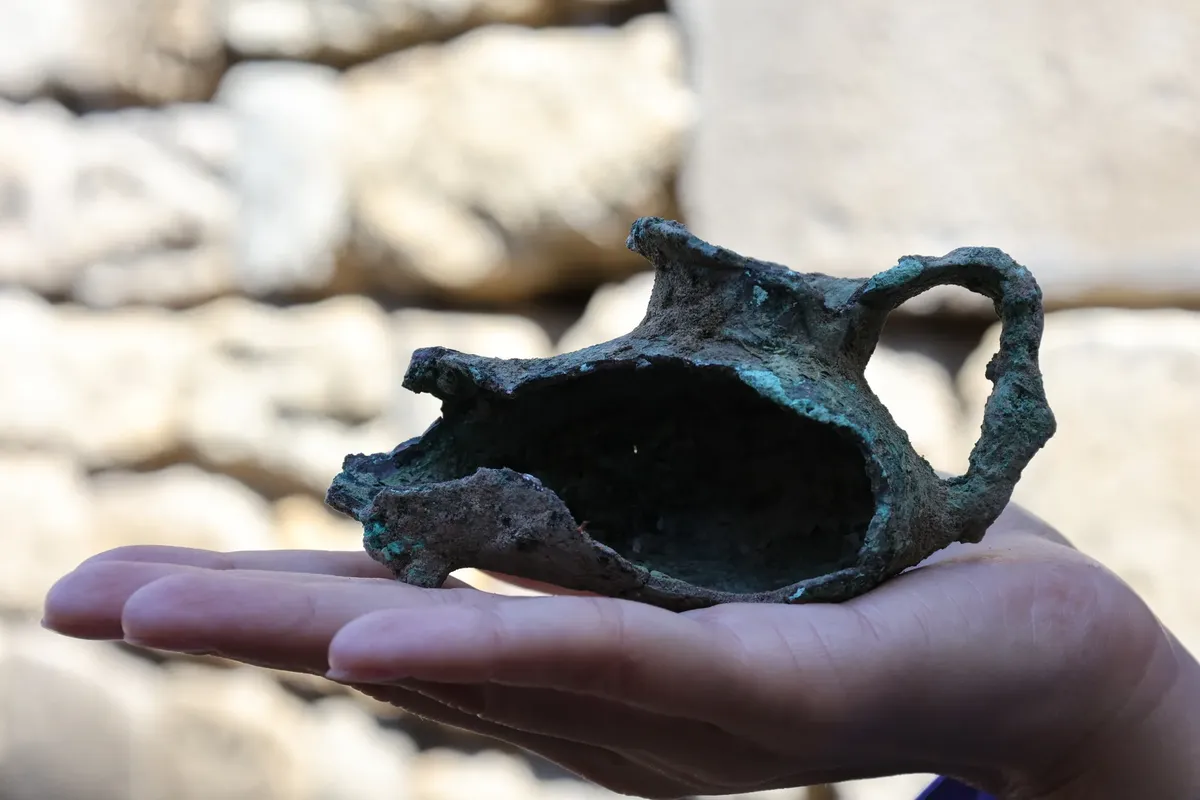
- High-resolution scanning of the physical site or object to capture precise dimensions and textures. 2. Creation of three-dimensional models that replicate the original environment or artifact. 3. Integration of historical data to provide interactive educational layers for viewers.
I watched as a digital rendering of a historic streetscape appeared on a screen, mirroring the exact proportions of the ancient city. This method ensures that the cultural roots of relics are preserved even if the physical structures face environmental threats.
A final check of the digital model ensures that the virtual representation remains faithful to the original archaeological data.
- Digitizing physical assets to create high-resolution visual records.
- Integrating metadata to link objects to their original time periods.
- Developing immersive virtual environments to simulate historical settings.
How does language serve as a tool for preserving the relic background study?
A linguist compares an ancient manuscript to a modern dictionary, looking for traces of lost syntax. Language is a living artifact that carries the history of a people within its grammar and vocabulary.
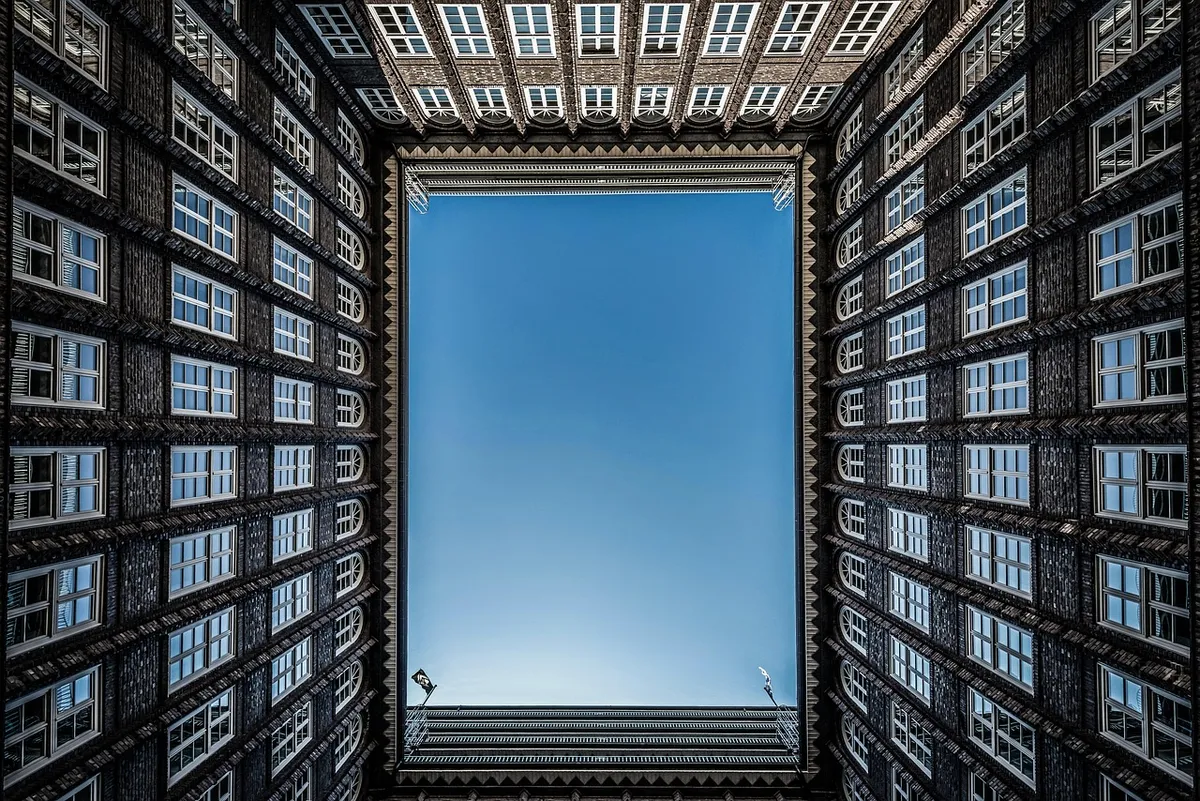
When a culture undergoes change, its language often undergoes a parallel transformation to maintain its identity.
The evolution of language can be a deliberate act of cultural preservation.
This process involved purging foreign elements, reviving affixation, and using Old Khmer roots alongside historical Pali and Sanskrit to coin new words for modern ideas.
The following table compares the two primary methods of linguistic influence seen in historical language shifts:
| Method | Primary Objective |
|---|---|
| Purging foreign elements | Strengthening native identity |
| Using historical roots | Reclaiming ancestral heritage |
By examining these linguistic shifts, scholars can conduct a more profound relic background study. It allows them to see how abstract ideas were translated into tangible cultural expressions.
In this sequence, the second step is the most extensive.
What are the limitations of studying historical context?
A student looks at a fragment of pottery, realizing that much of its story remains lost to time. While context is vital, it is often incomplete due to the degradation of records or the loss of physical evidence over centuries.

A major limitation is that historical context is often dependent on the surviving evidence. For instance, the 72 peaks of Wudang Mountain covering 30 km2 (12 sq mi) provide a massive scale of architecture, but even such vast sites have areas where the original context may be obscured by time.
If the original purpose of a structure is lost, the context remains a subject of interpretation rather than certainty.
Fragmentary evidence and the loss of primary sources often create gaps in our understanding of the past.
The same subject is also called Object history and meaning.
The same subject is also called Past events and artifacts.
This part also covers How history shapes artifacts.
This part also covers Meaning behind old objects.
How history shapes artifacts
Related

Comments 0