Terrestrial Ecosystems: Bio-geo heritage value why
"The preservation of our planet's natural heritage requires a deep understanding of the delicate balance between geological structures and the life they support."
Understanding bio-geo heritage value involves recognizing the intricate relationship between the Earth's physical composition and its biological inhabitants.
This guide explores the distribution of our planet's water and the shrinking availability of intact ecosystems to highlight why protecting these assets is vital.

Key takeaways include the dominance of oceanic water on the Earth's surface, the minimal fraction of freshwater available, and the critical need to preserve the remaining intact terrestrial habitats.
How much of the Earth is covered by water?
At dawn, I stand on the cliffside and feel the salt spray hit my face while staring at the vast blue that dwarfs the terrestrial landscape.
A vast expanse of blue stretches toward the horizon, where the sea meets the sky in a seamless line. Approximately 71% of the Earth's surface is covered by salt-water oceans, creating a continuous body of water that spans roughly 361 million square kilometers.
This massive coverage defines the planet's physical character and regulates global climate.
The scale of this coverage is immense, with oceans holding 96.5% of all surface water. While the terrestrial landscape is what many people focus on, the vastness of the sea dictates much of the world's biological potential.
Protecting these maritime regions is essential for maintaining the global water cycle and supporting life.
What is the distribution of water on our planet? Bio-geo heritage value
At sunset, I trace the winding river on the map and feel the heavy weight of the vast, blue oceans compared to the thin lines of terrestrial water.
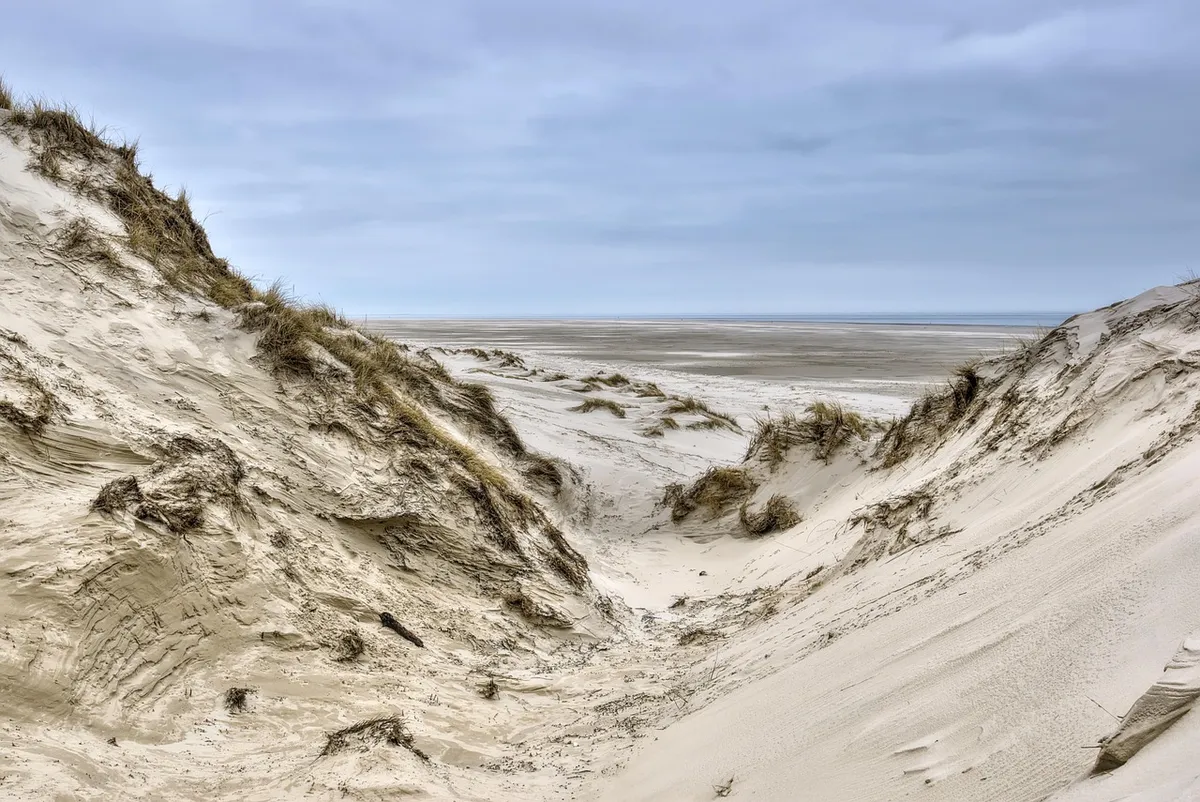
A researcher peers through a microscope at a drop of water, considering the diverse states it can take. On Earth, water is found mostly in oceans and other large bodies of water, with 1.6% of water located below ground in aquifers and a mere 0.001% in the air as vapor, clouds, and precipitation.
This distribution shows how much of our planet's water is locked in specific reservoirs.
The breakdown of surface water further clarifies these proportions. Glaciers and polar ice caps account for 2.4% of surface water, while other land surface water, such as rivers, lakes, ponds, underground aquifers, and groundwater, makes up 1%.
Understanding these ratios is the first step in managing natural treasure care.
How much freshwater is available for life?
A thirsty traveler looks toward a small mountain stream, knowing how precious every drop is. The smallest freshwater reserve is the 0.1% found in the atmosphere. This tiny fraction highlights the extreme scarcity of accessible freshwater when compared to the vast oceanic volumes.
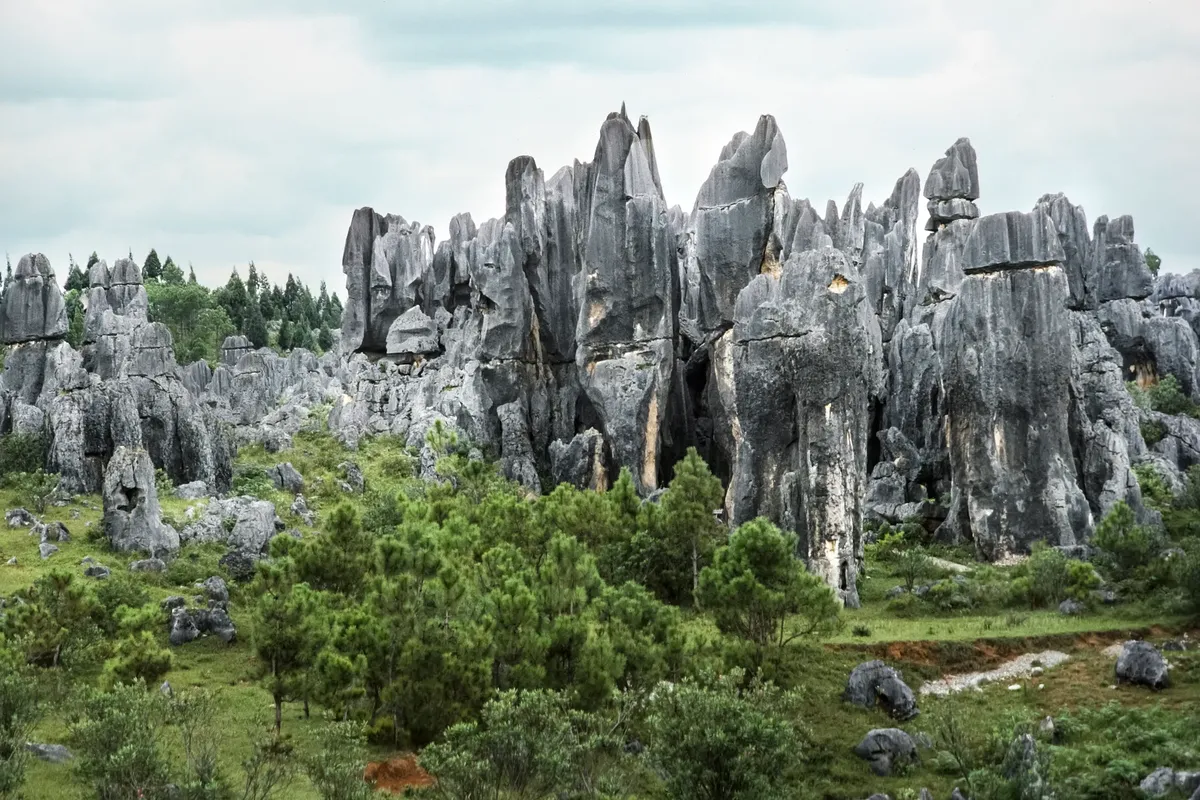
While the oceans dominate the surface, the terrestrial life depends on the much smaller percentages of freshwater. If we consider the total water on Earth, the amount available for terrestrial ecosystems is a tiny fraction of the whole.
This reality underscores the importance of protecting biodiversity sites to prevent the loss of these vital resources.
What is the salinity of our oceans?
A scientist carefully measures salt levels in a laboratory beaker to ensure accuracy. Average oceanic salinity is around 35 parts per thousand (ppt) (3.5%), and nearly all seawater has a salinity in the range of 30 to 38 ppt.
This salt content is a fundamental characteristic of the marine environment.
This salinity affects everything from buoyancy to the types of organisms that can survive in different depths. Maintaining the balance of these chemical properties is part of preserving natural assets.
The consistency of salinity across the oceans helps stabilize the environment for diverse marine life.
How intact are our natural terrestrial ecosystems?
An explorer walks through a dense, untouched forest, feeling the weight of ancient trees.
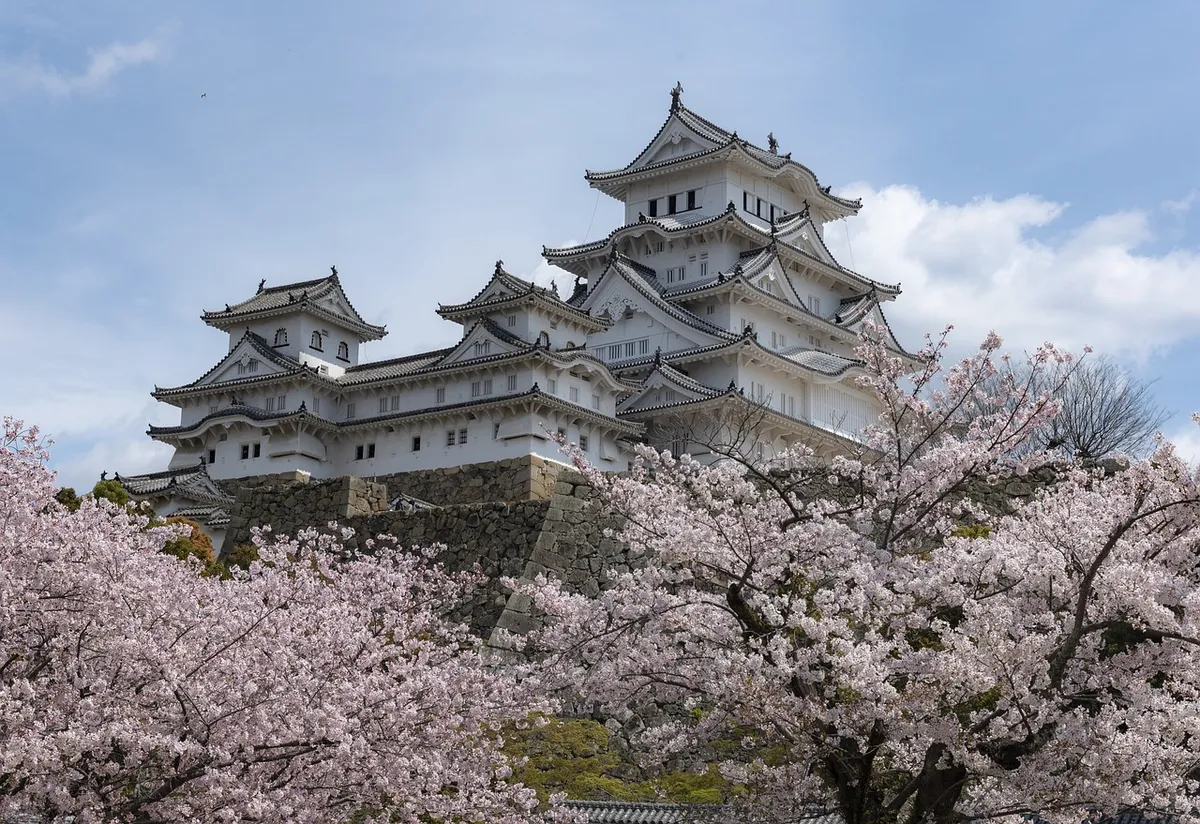
According to a 2021 study published in Frontiers in Forests and Global Change, only about 3% of the planet's terrestrial surface is ecologically and faunally intact, with a low human footprint and healthy populations of native animal species.
This statistic reveals a significant challenge for conservation efforts.
The vast majority of the land surface has been altered by human activity. Because such a small portion remains truly wild, protecting these remaining fragments is crucial for geological heritage sites and the species that inhabit them.
We must focus our efforts on these critical areas to prevent further loss of biological diversity.
How can we work together to protect natural heritage?
A group of scientists gathers in a conference room to coordinate their findings and strategies. In 1994, the network of natural heritage programs formed a membership association to work together on projects of common interest: the Association for Biodiversity Information (ABI).
This collaboration represents the organized effort to manage global natural resources.
To effectively manage these resources, we can follow these steps:
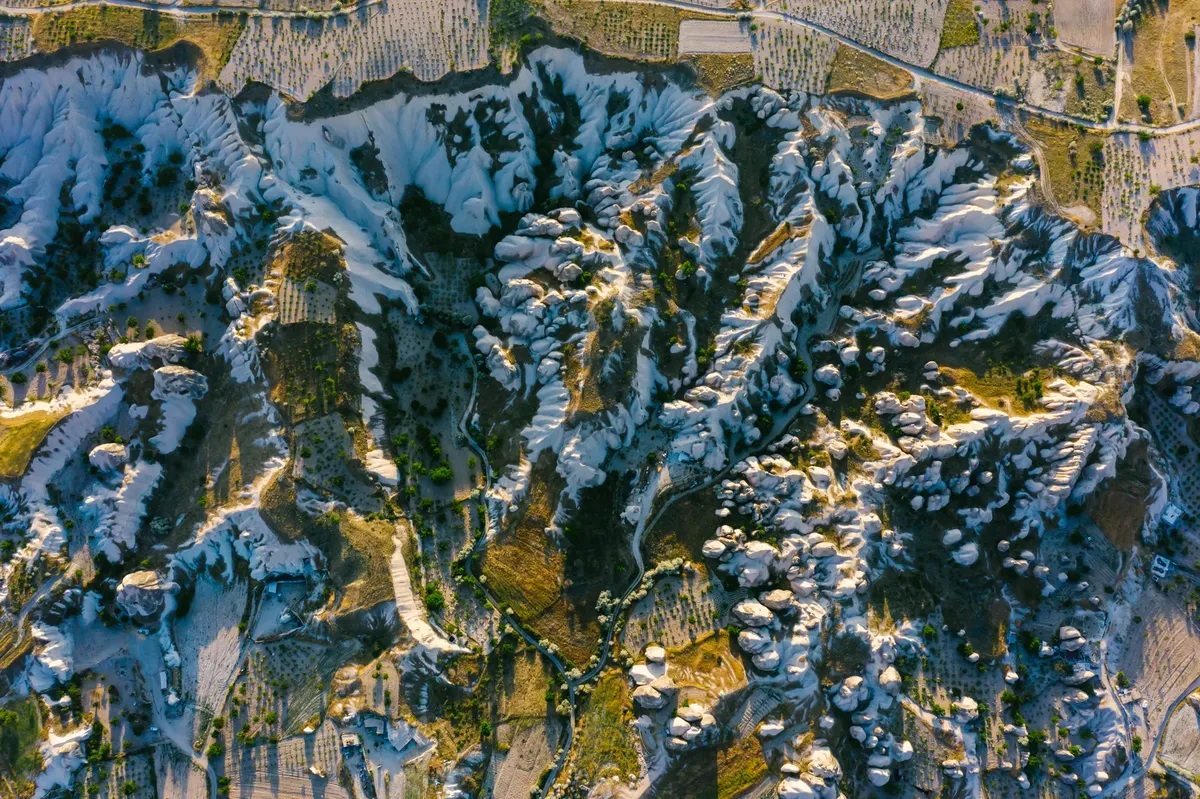
- Identify and map critical biodiversity sites to prioritize protection. 2. Monitor the health of intact ecosystems to prevent further degradation. 3. Support international cooperation to manage transboundary natural heritage.
A final check of these strategies ensures that they address both the biological and geological needs of the planet. I have observed that without organized cooperation, these small pockets of intact land can easily be lost to rapid development.
- How much of the Earth is covered by water?
- What is the distribution of water on our planet?
- How much freshwater is available for life?
The subject here is Bio-geo heritage value.
This part also covers Protecting life diversity.
This part also covers Geological sites worth.
This part also covers Natural heritage value.
Related
Why is the balance between geology and biology so important?
The preservation of our planet's natural heritage hinges on acknowledging the inseparable link between the planet's physical structure and the living things it supports. The geological foundation dictates the conditions under which biological communities can thrive or perish.
This interconnectedness means that changes in one system inevitably cascade into the other, threatening the stability of the whole.
The oceans, being the dominant feature on the planet's surface, are central to this balance. They regulate global climate patterns, which in turn influence terrestrial ecosystems. Therefore, the health of the marine environment directly impacts the viability of terrestrial life.
The minimal fraction of freshwater available for terrestrial ecosystems underscores the fragility of the entire system. This scarcity demonstrates how dependent life is on specific, limited conditions within the planet's overall structure.
Protecting these conditions is paramount for the continuation of biological diversity.





Comments 0