How does a city become a single heritage site?
"A single monument is a snapshot of a moment, but a whole city is a living testament to an era's entire philosophy."
UNESCO World Heritage designation represents a profound recognition of human achievement and cultural continuity that transcends mere physical preservation. This designation serves to protect the diverse stories of our global identity, whether through ancient ruins or entire modern urban landscapes.
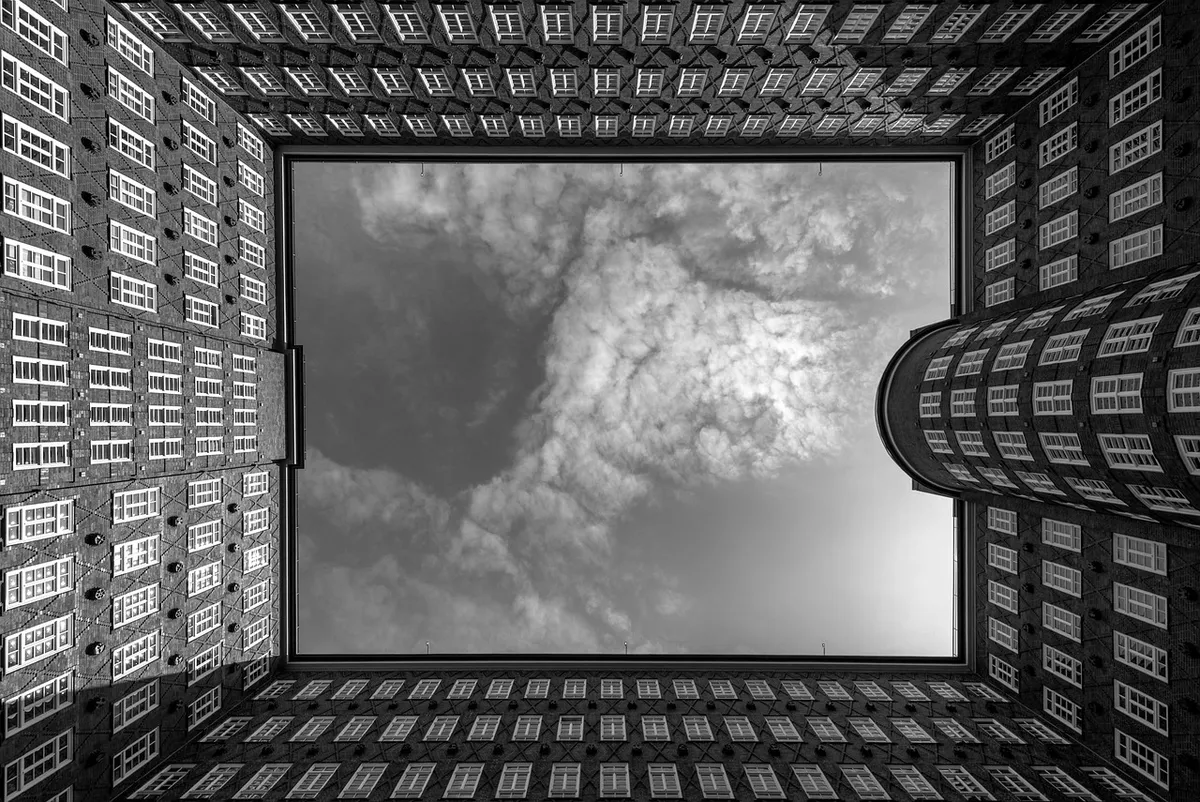
Key takeaways include the distinction between urban and archaeological sites, the vulnerability of heritage in conflict zones, and the evolving definition of what constitutes a significant cultural legacy.
How does a city become a single heritage site?
As the morning sun warms my skin, I walk through the narrow streets of the old town to witness how a whole city earns its unesco status.
A traveler walks through a quiet street where Art Deco architecture meets the morning sun.
This unique status demonstrates that a whole urban fabric can hold collective value.
The scale of such a designation changes how we view the relationship between people and their surroundings. While a single temple reflects a specific religious movement, an entire city captures a complete era of social organization and design.
This modern view of heritage shifts the focus from isolated objects to integrated human environments.
What happens when heritage faces immediate danger? UNESCO heritage modern view
A researcher examines old maps of sites that no longer look the same as they did decades ago.
Sites such as Hatra in Iraq and Palmyra in Syria remain listed as UNESCO World Heritage (and as World Heritage in Danger) in 2017, even though warring belligerents have largely obliterated anything of historic value. This reality highlights the fragility of cultural legacy.
The preservation of these sites is not just about stones and mortar but about maintaining the integrity of human history. When a site is categorized as being in danger, it signals a crisis that requires international attention.
This deep meaning of heritage becomes clear when we realize that once a site is lost to conflict, its connection to the past is severed forever.
How do we compare different types of heritage?
An archivist compares a list of ancient archaeological ruins with a registry of modern urban planning. Cultural legacy modern lens often distinguishes between the preservation of ancient relics and the protection of living cities.
| Heritage Type | Primary Focus | Example Context |
|---|---|---|
| Archaeological Site | Ancient civilizations and ruins | Hatra, Iraq |
| Modernist City | Urban planning and architecture | Asmara |
The table shows how different historical layers require different preservation strategies. A site's value can be found in its antiquity or its unique expression of modern living.
What is the role of global conservation in modern heritage?
A professional prepares notes for an upcoming international summit on environmental and cultural preservation. The focus on heritage sustainability goals ensures that we do not just look backward but also forward.
Global organizations work to integrate these sites into broader conservation efforts. This approach ensures that preserving the past informs present action. By understanding the origins of our built environment, we can better plan for a sustainable future.
How can we manage large numbers of heritage sites?
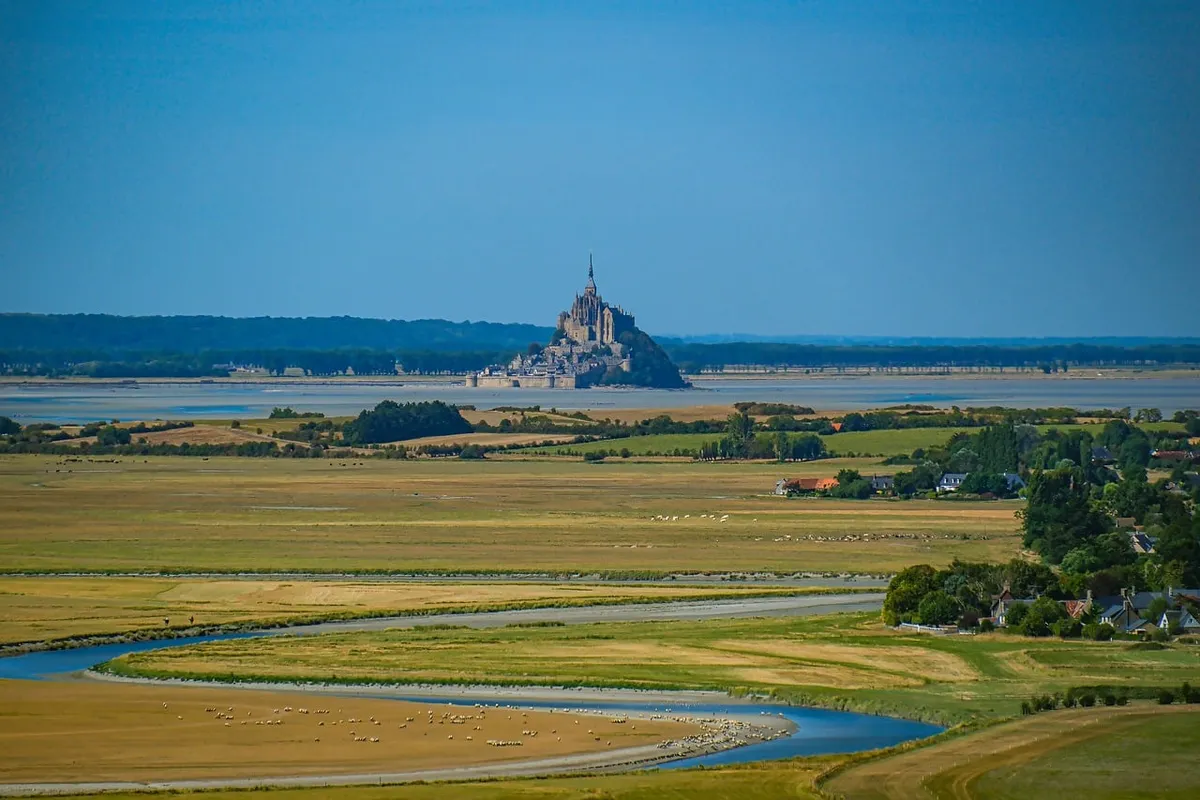
A curator looks at a map showing dozens of protected locations across a single vast nation. This density of sites creates a unique cultural landscape that requires robust management strategies.
Managing such a high volume of sites involves balancing local development with international standards. The goal is to ensure that the sheer number of sites does not dilute the quality of protection provided to each.
How do we understand the human story in heritage?
A student reads a biography of an architect while standing in the shadow of a historic monument. Preserving the human story involves recognizing the hands that built these structures and the lives lived within them.
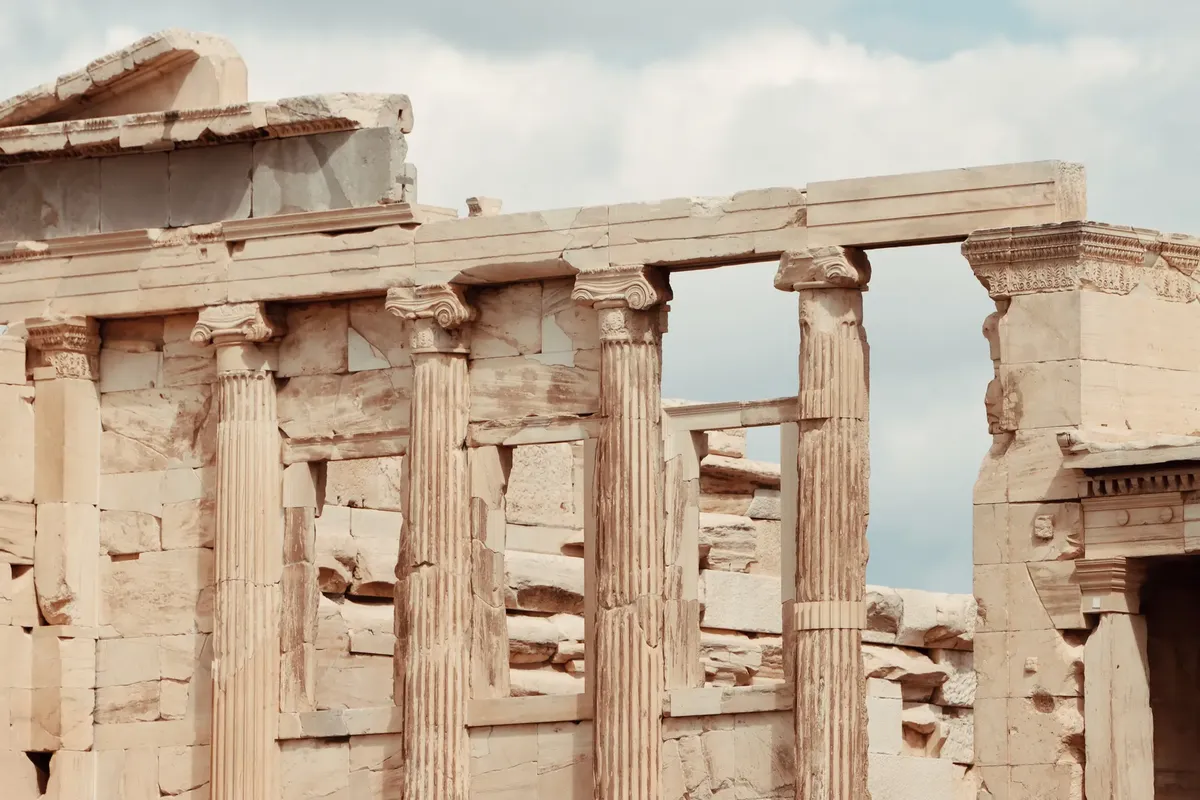
The process of designation is a way of acknowledging the contributions of past societies to the collective human experience. We must ensure that the values expressed in these sites remain accessible to future generations.
- How does a city become a single heritage site?
- What happens when heritage faces immediate danger?
- How do we compare different types of heritage?
The subject here is UNESCO heritage modern view.
The same subject is also called World heritage deep meaning.
The same subject is also called Preserving past future use.
The same subject is also called Site value contemporary view.
Heritage sustainability goals
Related
- Cuba UNESCO heritage view: Why sites persist listed
- Korean Scroll Tour Opens: Guide to Heritage Preservation
Does the scale of heritage affect its vulnerability?
The scale of the heritage site dictates the breadth of the challenges it faces. A single monument, while valuable, presents a different preservation challenge than an entire city comprising many interconnected elements.
The vulnerability of a large urban complex is compounded by the sheer number of components that must remain intact to convey the intended message of the era.
This contrast is crucial when considering the pressures of modern existence. While a single monument might survive localized threats, a whole city faces systemic threats that affect its many parts simultaneously.
The collective nature of the city site means that damage to one area can compromise the integrity of the whole.
How does the designation process protect the future?
The designation process is inherently forward-looking, attempting to safeguard not just what has passed but also the lessons for what is to come. The international community's involvement, signaled by the listing, provides a framework for global concern regarding the site's existence.
This shared global acknowledgment elevates the site beyond local concern.
The protection afforded by the UNESCO designation is a commitment to stewardship across generations. It mandates that the current custodians act as guardians for those who follow. This guardianship is vital for ensuring that the memory held within the site remains accessible.
The preservation of a single monument, while important, benefits from this broader international commitment when it is part of a larger, complex urban setting.
[News] World Heritage at the 2025 IUCN World Conservation Congress - UNESCO World Heritage Centre Based on the retained excerpt mentioning World Heritage Centre: Title: World Heritage at the 2025 IUCN World Conservation Congress - UNESCO World Heritage Centre.




Comments 0