Natural vs cultural: definition of world heritage guide
"The preservation of our world's treasures requires a shared understanding of what we value across generations."
The definition of world heritage encompasses the protection of sites and traditions that hold outstanding importance for all of humanity.
This guide explores the distinction between natural and cultural heritage, the principles of international law regarding these assets, and the evolving scope of intangible traditions. 1. Understanding the shared responsibility of nation states to protect heritage. 2. Distinguishing between tangible natural sites and intangible cultural traditions. 3. Reviewing the historical development of international heritage conventions.
What is the meaning of world heritage?
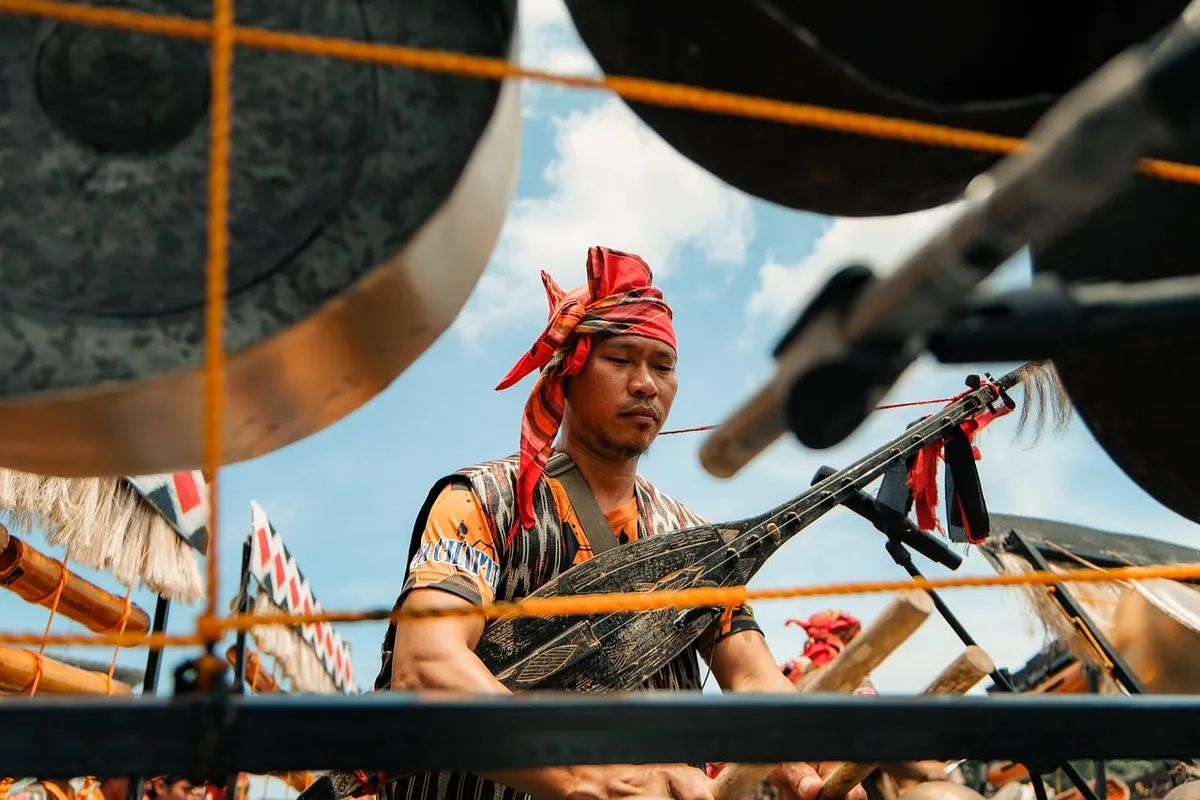
A researcher sits at a wooden desk, tracing a map of protected territories that span continents. The concept of the common heritage of mankind suggests that certain assets belong to all people, regardless of national borders.
The meaning of world heritage is rooted in the idea that certain sites and traditions possess outstanding importance to the common heritage of humanity. According to the UNESCO programme, these efforts catalogue, name, and conserve sites of significant cultural or natural importance.
This global responsibility ensures that unique assets are preserved for future generations through international cooperation.
The definition of world heritage involves recognizing that some assets transcend local ownership. This shared importance drives international efforts to maintain ecological and historical integrity.
How do we define natural vs cultural heritage? definition of world heritage
An ecologist walks through a dense forest, while a historian examines a stone monument in a quiet plaza. These two distinct paths represent the dual pillars of global preservation efforts.
Natural heritage focuses on the biological and geological wonders of the earth, such as unique ecosystems or geological formations. Cultural heritage encompasses the tangible remains of human history, including monuments, buildings, and archaeological sites.
While one focuses on the natural world and the other on human achievement, both require rigorous protection under international frameworks.
The definition of natural heritage often involves the management of biological diversity and ecological integrity. In contrast, defining cultural heritage involves the study and preservation of human-made artifacts and sites.
| Heritage Type | Focus Area | Primary Objective |
|---|---|---|
| Natural Heritage | Biological and geological features | Conservation of ecosystems |
| Cultural Heritage | Human history and achievements | Preservation of human legacy |
I observed how these two categories often overlap when a natural landscape is deeply tied to a specific cultural identity.
What are the types of human heritage?
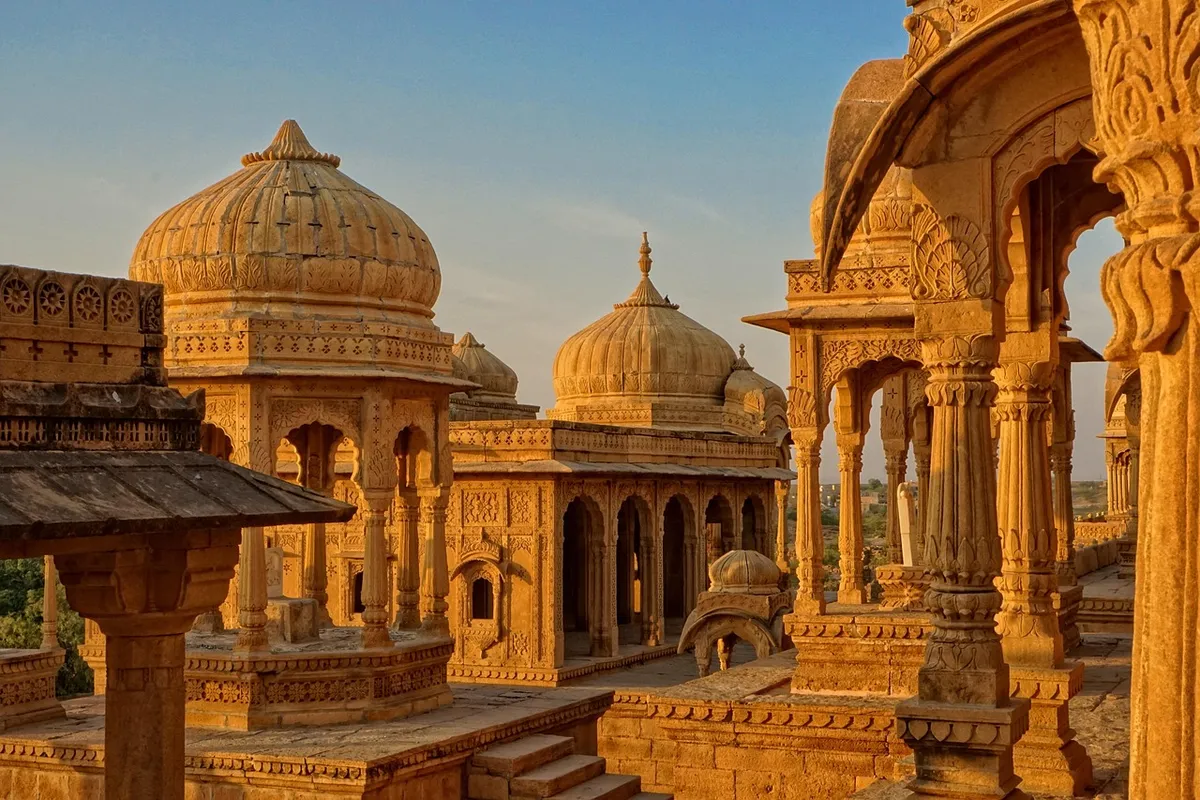
A weaver works on a traditional loom, passing threads with practiced ease. The process captures a living history that cannot be held in a single hand.
The types of human heritage include both tangible assets, like buildings, and intangible traditions, like oral histories. In November 2001, UNESCO encouraged the recognition and protection of intangible heritage in the same way as natural and cultural treasures of tangible heritage are protected.
This expansion acknowledges that human identity is also carried through living expressions.
The concept of the common heritage of mankind has even sparked academic debate regarding digital communication. Some argue that global communication over the internet should be regarded as part of this shared legacy.
How are we defining intangible heritage?
An elder tells a story to a group of attentive listeners, the words hanging in the air like a bridge to the past. This living breath of culture requires different methods of preservation than a stone temple.
Defining intangible heritage involves recognizing the living expressions inherited from our ancestors, such as oral traditions, performing arts, and social practices.
In 2003, UNESCO adopted the Convention for the Safeguarding of the Intangible Cultural Heritage to provide a formal framework for this protection.
The focus of these efforts is to ensure that living traditions are not lost to time. While tangible sites are fixed in place, intangible heritage lives through the people who practice it.
What is the role of international law in protecting heritage?
A diplomat signs a document in a quiet hall, symbolizing a commitment to a distant land's treasures. This legal framework provides the backbone for global preservation.
This means that when a country nominates a site, it accepts a legal responsibility to the international community.
This legal structure ensures that local governance aligns with global preservation standards. Without these treaties, unique sites might be lost to development or neglect.
How can we apply these definitions to real-world conservation?
A park ranger monitors a coastline, while a museum curator cleans an ancient vase. These professionals apply the principles of heritage management every day.
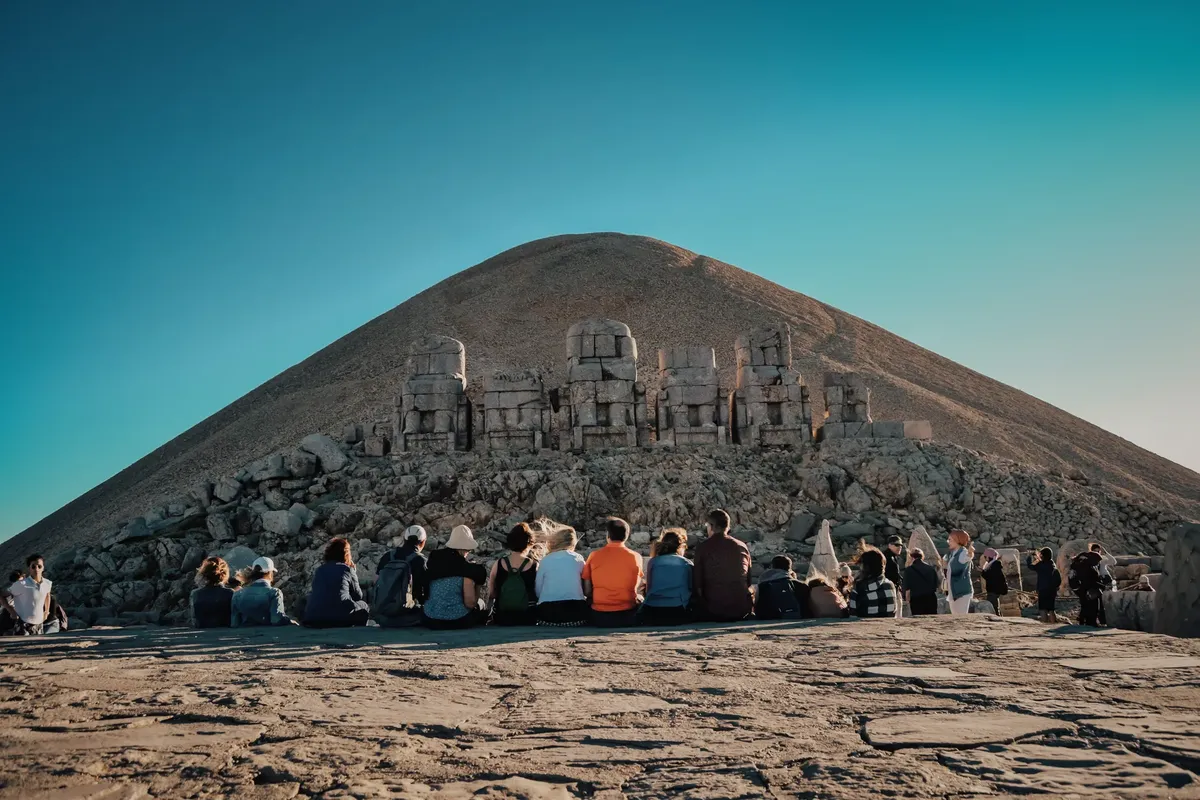
To apply these concepts to active conservation, follow these steps:
- Identify the specific characteristics that qualify a site or tradition as having outstanding universal value. 2. Establish management plans that address the unique needs of either natural ecosystems or cultural artifacts. 3. most importantly, engage local communities to ensure that the protection of the heritage site supports the people living there.
A final check involves verifying that the conservation methods do not compromise the integrity of the heritage being protected.
The scope of heritage protection is limited to assets that meet specific criteria for outstanding universal value.
This part also covers value of shared heritage.
Related



Comments 0