Great Wall: How to Navigate Steep Climbs and Terrain Safely
To witness the sheer scale of the Great Wall is to understand the weight of human ambition and the cost of empire. This guide explores the strategic importance of the Ming Dynasty fortifications, how to navigate the steep climbs of Badaling and Mutianyu, and what to watch for regarding modern preservation.
"The stone does not speak, but it remembers everything."
* Understand the strategic layout of the Ming Dynasty wall. * Compare the accessibility of different sections like Badaling and Mutianyu. * Learn how to navigate the steep terrain safely. * Recognize the delicate balance between tourism and preservation.
Why does the wall look so different in different places?
In the morning I hold great and walk through the next step.
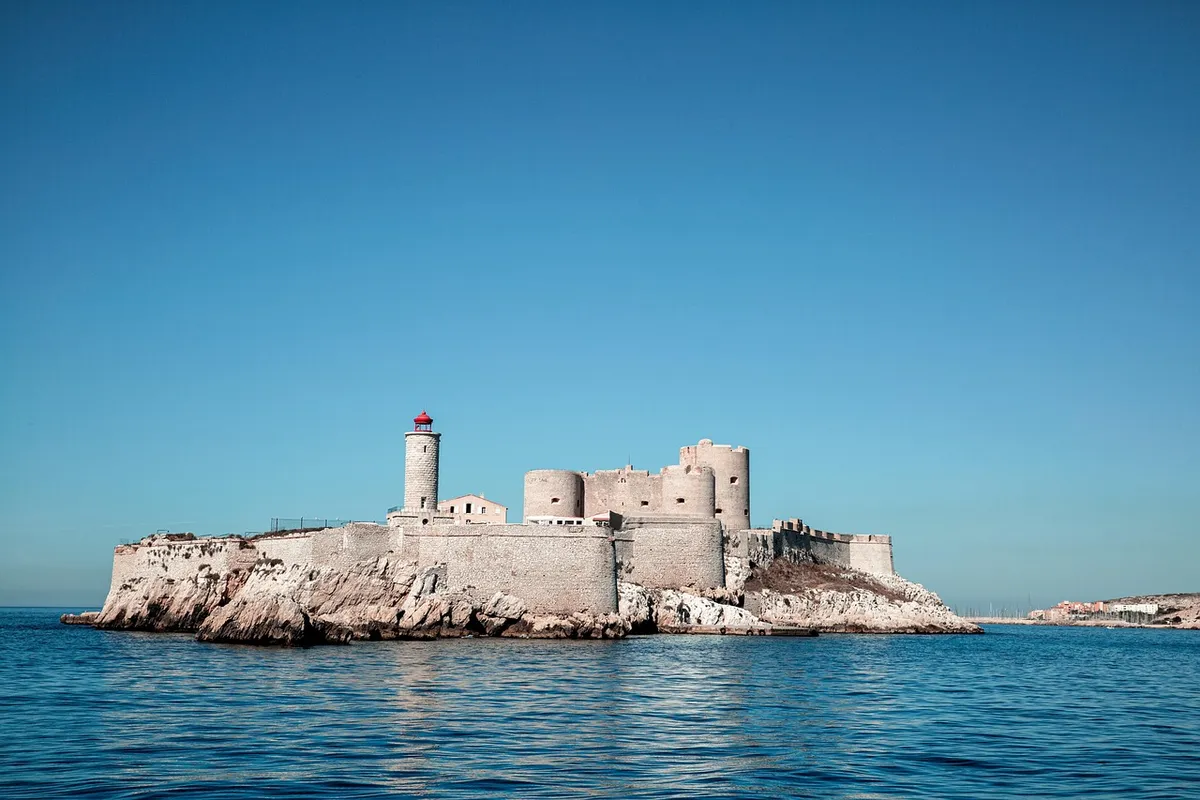
The sun hits the uneven ridges of the Jiankou section, casting long shadows over the crumbling ramparts that snake toward the horizon. Most visitors realize quickly that the Great Wall is not a single, continuous line, but a complex network of fortifications built over centuries.
According to the German University of Technology, the geographical diversity of the region influences how heritage sites are managed.
The variations in appearance are due to the different eras of construction and the specific terrain each segment was designed to defend.
While some parts are massive stone structures, others are much narrower ridges made of rammed earth or brick, depending on the resources available and the tactical needs of the period.
When you stand on a restored section, you see smooth bricks and heavy crenellations designed to repel invaders. When you trek to more remote areas, you see the original foundation, where the wall follows the natural spine of the mountains to maximize defensive height.
Understanding these differences helps you appreciate why some sections are heavily rebuilt for tourism while others remain wild and crumbling. The contrast between the manicured paths and the rugged ruins tells the story of a changing empire.
Which section is best for a first-time visit?
In the evening I hold great and walk through the next step.
I stood at the entrance of the Badaling section, feeling the sudden surge of crowds as the cable car ascended toward the stone walkway. Most travelers choose this area because it offers the most complete and accessible experience of the fortification.
As noted by the Arab Regional Centre, visitors often seek areas that reflect the historical significance of the landscape.
Badaling is the most famous and well-maintained section, making it ideal for those who want to see the wall without an exhausting hike. It features wide walkways, handrails, and easy access via modern transport, which makes it the most popular choice for families and elderly visitors.
However, the high volume of people means you will rarely feel a sense of solitude. If you prefer a balance of accessibility and slightly fewer crowds, the Mutianyu section is often recommended as a superior alternative.
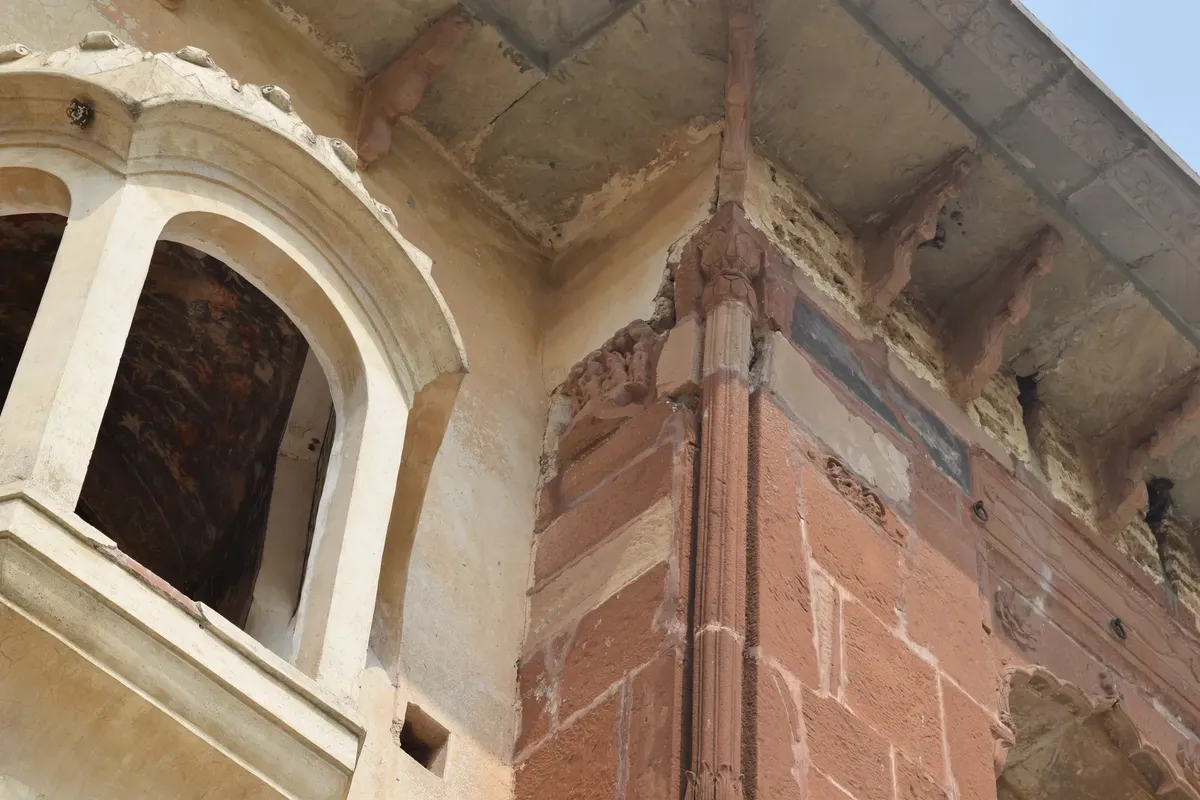
- Research the physical difficulty of the section before booking transport. 2. Check the local weather forecast to avoid slippery stone paths during rain. 3. Arrive at the gate at least thirty minutes before the first major tour group arrives.
If you find yourself at a crowded station, look for the signs indicating the different walking paths to avoid the heaviest foot traffic.
How do I manage the steep climbs without exhaustion?
My legs burned as I gripped the cold metal railing, stepping up a flight of stairs that seemed to lead directly into the clouds. The steepness of the wall is one of its most daunting features, often requiring significant physical effort to traverse.
The intensity of the climb depends entirely on which section you visit. Some sections are relatively flat, while others feature "heavenly stairs" where the incline is nearly vertical, requiring you to use your hands for balance.
To manage the climb, it is essential to wear sturdy footwear with good grip, as the ancient stones can be incredibly slippery. Pacing yourself is also critical; the ascent is not a sprint, and many visitors find themselves needing frequent breaks to catch their breath.
A common mistake is to underestimate the verticality of the slopes. I found that taking small, deliberate steps rather than trying to conquer a large flight at once kept my energy levels much more stable throughout the day.
How can I tell the difference between restored and original parts?
The morning mist cleared to reveal a sharp line where the clean, light-colored bricks of a restored rampart met the dark, weathered ruins of an untouched ridge. This visual distinction is the most immediate way to understand the history of the wall's preservation.
According to UNESCO, the 2025 Asia-Pacific Awards for Cultural Heritage Conservation will recognize outstanding conservation efforts.
Restored sections are those where engineers have rebuilt the walls using modern techniques to ensure safety and structural integrity for visitors. These areas are designed to look like the "ideal" version of the wall, often featuring consistent brickwork and smooth surfaces.
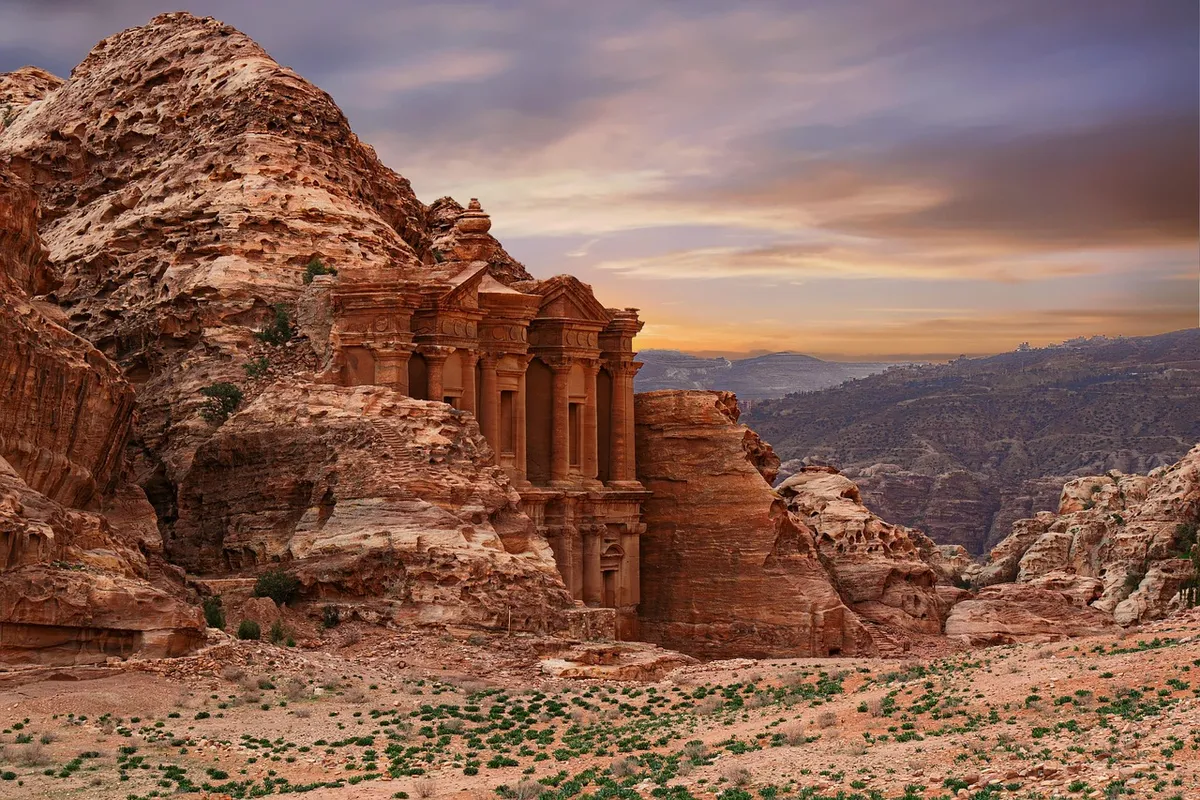
Original parts, often referred to as "wild wall," are the segments that have been left to the elements. Here, the brickwork has eroded, the mortar has vanished, and the structure follows the raw, jagged lines of the mountain.
| Feature | Restored Sections | Original/Wild Sections |
|---|---|---|
| Accessibility | High (walkways, handrails) | Low (rugged, steep, uneven) |
| Crowd Levels | Generally high | Generally low |
| Visual Impact | Clean and structured | Atmospheric and weathered |
While the restored sections provide a clear picture of the wall's scale, the original parts offer a more visceral connection to the passage of time.
What are the risks of visiting unrestored areas?
The wind howled through the gaps in a crumbling watchtower, making the ground beneath my feet feel precariously thin. Visiting unrestored or "wild" sections of the wall carries much higher risks than visiting the official tourist sites.
The primary danger in these areas is structural instability. Because these parts have not been reinforced, sections of the wall can collapse under the weight of a person, or the ground beneath a walkway may simply be gone.
Weather is an additional factor; a sudden rainstorm can turn a dry, dusty path into a mudslide or make the ancient stones as slick as ice. There are also no clear paths or signage in these remote areas, making it easy to become disoriented.
It is important to recognize that these sections are not maintained for public safety. If you choose to explore beyond the official gates, you must be prepared for unpredictable terrain and lack of assistance.
The lack of infrastructure means that help is often far away. Always inform someone of your intended route and expected return time if you move away from the main gates.
How is the wall being preserved for the future?
I watched a group of specialists examining a hairline crack in a stone base, their tools silent against the backdrop of the vast mountain range. Preservation is a constant battle against erosion, vegetation, and the sheer weight of the structure.
Modern preservation efforts focus on stabilizing the most critical sections to prevent total collapse while trying to maintain the historical authenticity of the materials. This often involves using traditional lime mortars and sourcing stone that matches the original era.
One of the biggest challenges is the growth of vegetation. Roots from trees and shrubs can grow into the cracks of the wall, slowly prying the stones apart and causing massive structural failures over time.
Authorities must balance the need to protect the wall with the desire to allow people to experience it. Too much restoration can strip the site of its soul, but too little can lead to the permanent loss of irreplaceable history.
The goal is to ensure that the wall remains standing not just as a monument, but as a testament to the people who built it.
According to International Union, the recorded figure is 19.
When I tried the steps in order, the second one is where I paused longest.
This order does not hold, however, when the figure is not 180 km.
- Why does the wall look so different in different places?
- Which section is best for a first-time visit?
- How do I manage the steep climbs without exhaustion?
Related

Comments 0