Preserving Royal Architecture of the Joseon Dynasty
The architecture within the palaces of the Joseon Dynasty is not merely a physical space, but a philosophical space that symbolizes the legitimacy and authority of the king and the royal family. The methods used to preserve these structures can be broadly categorized into two approaches, which represent a strategic contrast between maintaining the structure in situ and dismantling and reassembling it. The in-situ preservation method aims to preserve the original form of the building over time, while the dismantling and reassembly approach is a technical solution aimed at increasing durability in response to environmental changes. The choice between these methods in actual preservation projects depends not on simple methodological differences, but on the preservation goals (maintaining identity vs. ensuring sustainability).
Subheadings
1. Original Form Preservation vs. Reconstruction Potential
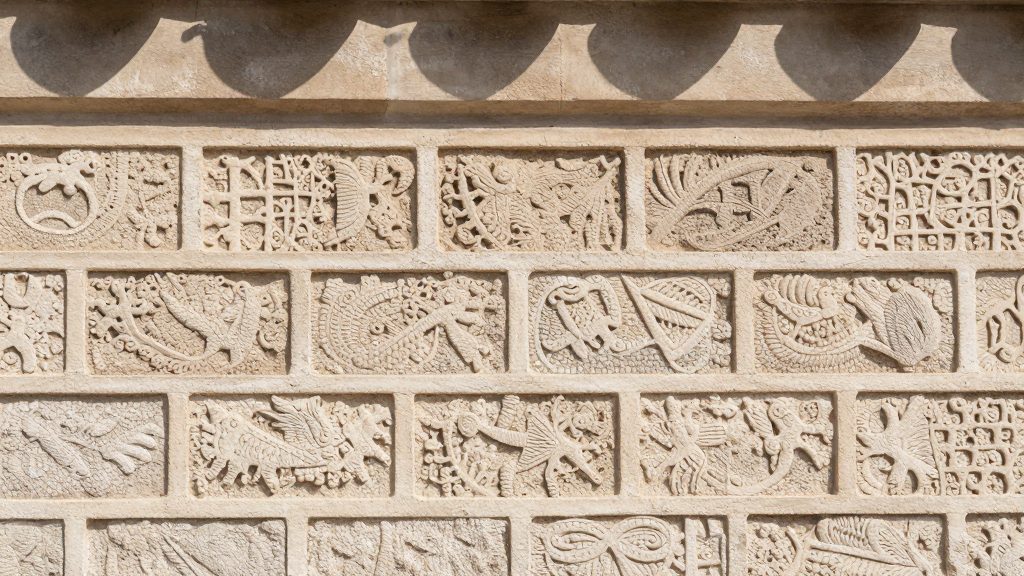
- In-situ preservation (preserving existing structures as they are) strongly emphasizes the intention of not compromising the original structural design conceived by the royal architects. Because the building's location, orientation, and construction details all carry historical significance, any movement or dismantling is considered a "loss of identity."
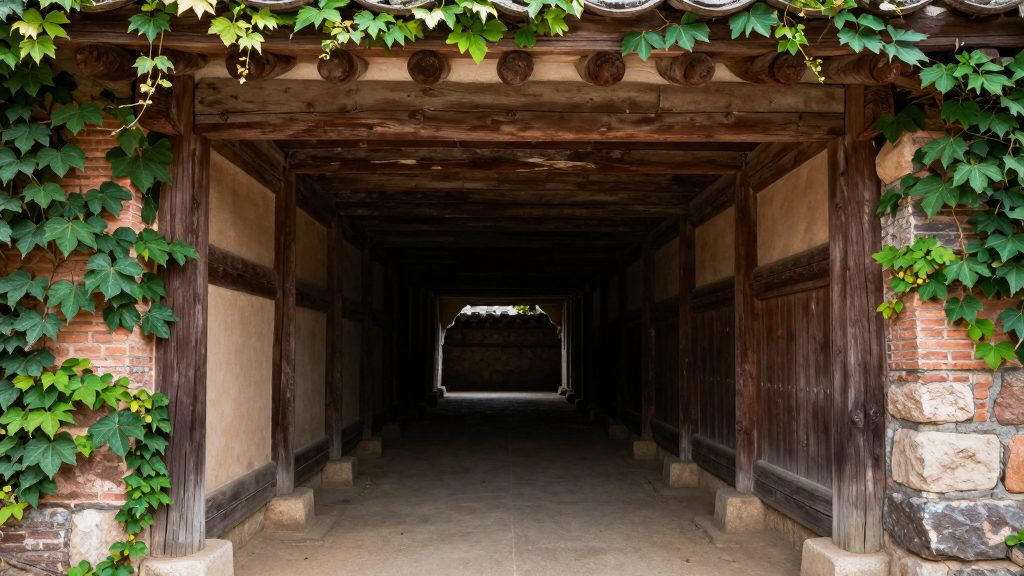
- Dismantling and reassembly (dismantling existing structures for relocation or restoration) provides flexibility to respond to external factors such as climate change and earthquakes. In some cases, the materials of a building may be so damaged that it is difficult to maintain its original location. In such cases, dismantling and reassembly are essential measures for "ensuring the sustainability of preservation."
2. Material Condition and Lifespan Management Strategies
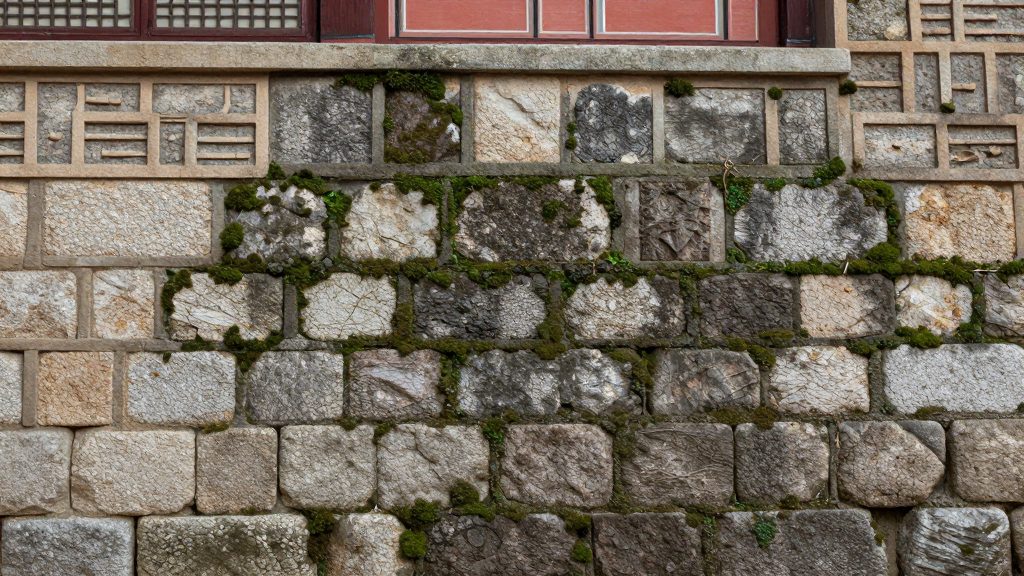
- Buildings preserved in situ have been exposed to corrosion, cracks, and moisture penetration for a long time. The goal is to maintain the existing material condition while extending its lifespan through regular inspections and repairs.
- Buildings that have been dismantled and reassembled allow for technical interventions to improve durability, such as material refinement and reinforcement (e.g., foundation strengthening, moisture-proof coating). However, it is difficult to completely reproduce the original construction methods or material properties in this process.
3. Visitor Experience and Accessibility
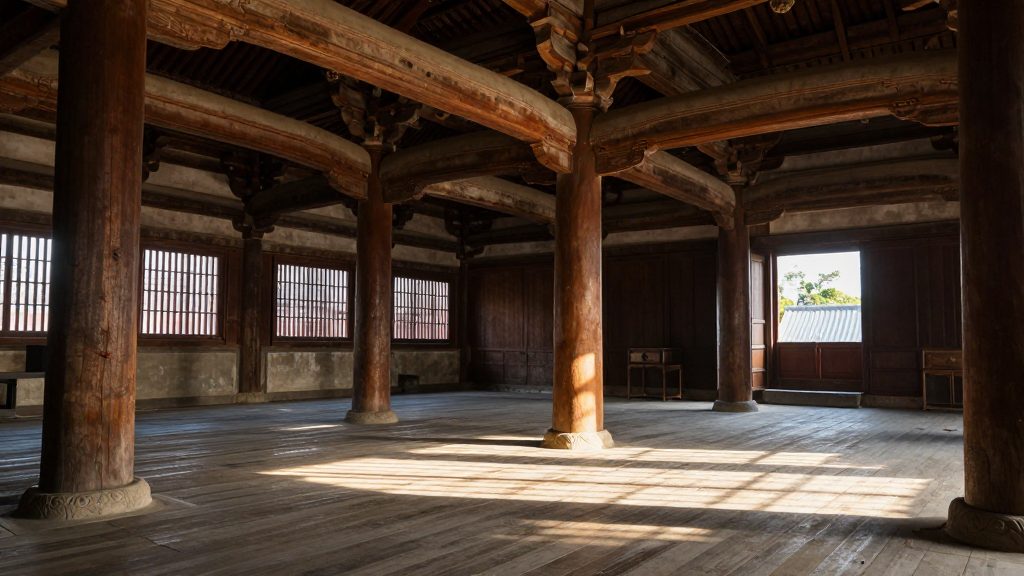
- Buildings preserved in situ maintain a static and silent atmosphere, emphasizing the historical "presence" that visitors can experience. This is well-suited for highlighting royal authority and sanctity, allowing visitors to directly experience the historical "site."
- Dismantled and reassembled buildings allow for adjustments to walking paths, expansion of exhibition spaces, and improvements in accessibility (e.g., installation of ramps). This helps to expand the educational value of cultural heritage and encourage greater participation from a wider audience.
4. Preservation Costs and Maintenance Period
- In-situ preservation is relatively easy to ensure initial structural stability, but it involves high costs for continuous regular inspections and repairs. Damaged areas must be restored immediately, requiring specialized personnel and materials.
- Dismantling and reassembly may involve higher initial construction costs, but it can lead to greater predictability and efficiency in long-term maintenance. In particular, if materials are inspected and reinforced beforehand, the lifespan can potentially be extended by more than double.
| Item | In-situ Preservation (e.g., Sejojeon Hall at Gyeongbokgung Palace) | Dismantling and Reassembly (e.g., some pavilions within Changdeokgung Palace) |
|---|---|---|
| Preservation Goal | Maintaining original identity | Responding to environmental changes and ensuring sustainability |
| Material Condition | Natural deterioration is ongoing, requiring frequent repairs | Reinforcement can be applied after inspection |
| Visitor Experience | Emphasizes historical presence, silent atmosphere | Improved accessibility, expanded exhibition functions |
| Long-term Maintenance Costs | High (focus on regular inspections and repairs) | Medium to low (predictable maintenance) |
Recommended For:
- Visitors sensitive to the identity of historical spaces: If you want to experience the emotional connection of "being in that place," this method is suitable.
- Educational program planners: The spatial flexibility and arrangement options offered by dismantling and reassembly can be used to create more effective historical education content.
- Researchers in heritage preservation policy: By comparing the advantages and disadvantages of both methods, you can empirically examine how strategic choices are made based on the "purpose of preservation."
One-line summary: Preservation is not simply about remaining silently in place, but about the wisdom of determining and implementing "why" and "how" to preserve.

Comments 0