Protecting identity: Heritage modern meaning why
"The preservation of our collective past is not merely a matter of guarding stones and artifacts, but of sustaining the living threads that bind generations together."
The modern meaning of heritage lies in its ability to foster intercultural dialogue and regional development through the protection of living traditions.
This guide explores how international frameworks define these assets, the role of cultural tourism in modern economies, and the importance of inclusive representation.
Key takeaways: * International frameworks provide legal structures to protect living traditions. * Cultural tourism serves as a driver for regional development globally. * Modern heritage efforts prioritize the inclusion of marginalized histories.
How do international frameworks define heritage?
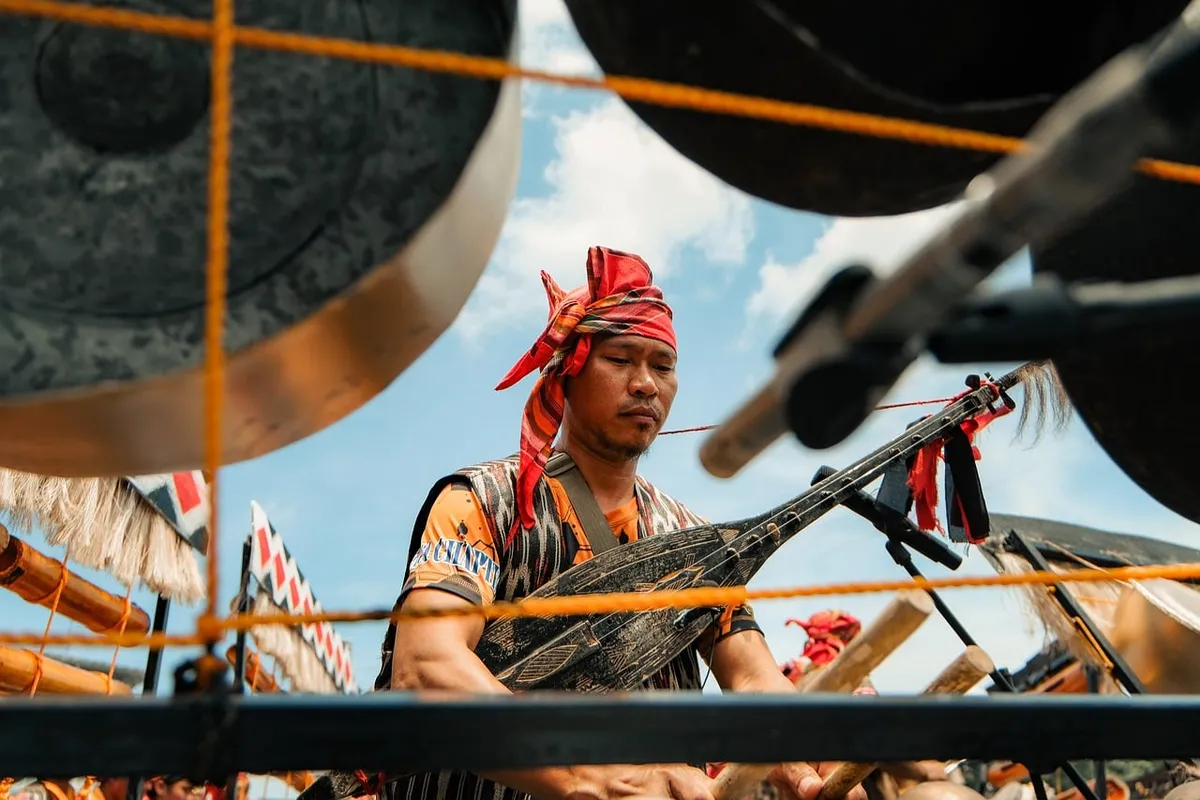
At dusk, the expert leans over a heavy wooden desk, squinting at legal documents while protecting the fragile history written upon them.
An expert sits at a wooden desk, reviewing various documents that outline the responsibilities of nations in protecting living traditions. These frameworks ensure that the essence of human identity is not lost to time.
According to the Monuments Architecture Museum, heritage tourism involves traveling to a site of cultural significance to engage with the heritage of the region and local population.
The definition of intangible cultural heritage was shaped through expert meetings held in 2001 to create a more legally binding treaty for protection. This process resulted in the Convention for the Safeguarding of the Intangible Cultural Heritage.
According to Wikipedia, this effort aimed to establish a clear definition and a framework for safeguarding. This foundation allows nations to take responsibility for the unique traditions within their borders.
The development of these standards helped move heritage from static objects to living practices. The 2008 creation of the UNESCO Representative List of Intangible Heritage incorporated various masterpieces previously identified in 2001, 2003, and 2005.
This list provides a structured way to recognize diverse human expressions. By categorizing these elements, the international community can better advocate for their survival.
What is the role of cultural tourism? Heritage modern meaning
A traveler walks through a historic plaza, observing how local artisans interact with visitors interested in the region's history. This interaction represents the bridge between past traditions and contemporary economic life.
Cultural tourism involves traveling to a site of cultural significance to engage with the heritage of the region and local population. This can include visiting archaeological sites, monuments, architecture, museums, or religious sites.
Such engagement allows for a direct connection to the history of a place. It turns historical sites into active spaces for learning and community interaction.
This form of tourism is increasingly popular across the globe. A recent OECD report highlighted the role that cultural tourism can play in regional development in different world regions. This economic impact helps fund the maintenance of sites and supports local communities.
While it brings wealth, it also necessitates careful management to ensure the authenticity of the culture remains intact.
How does heritage influence regional development?
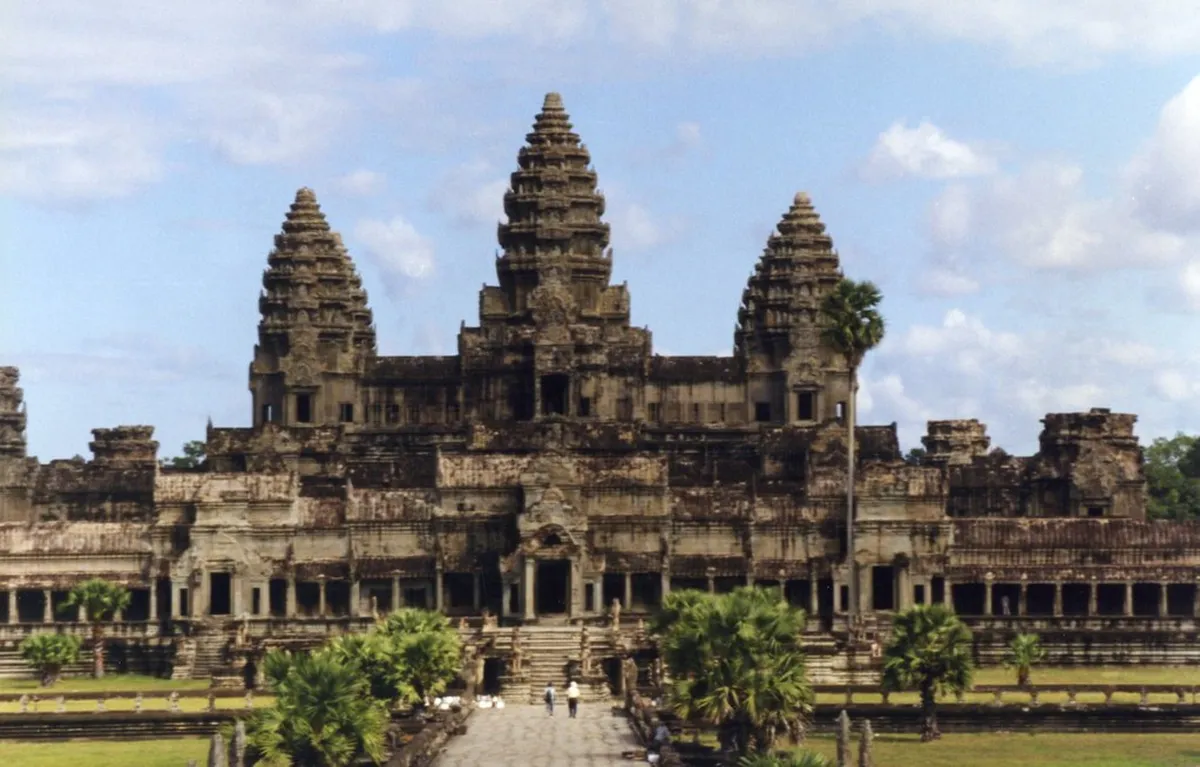
A local guide points toward a landmark, explaining how the preservation of the site has transformed the local economy over several decades. The discussion shifts toward how these assets support modern livelihoods.
The impact of heritage extends beyond simple sightseeing to include broader economic benefits. Because cultural tourism can drive regional development, many areas rely on these assets to foster growth.
This connection makes the preservation of heritage a vital component of sustainable economic planning. When managed well, these sites become engines for local prosperity.
The value of these assets is often measured by their ability to foster cross-cultural exchange. Certain major urban cities with cultural offerings are listed in UNESCO's world heritage site and have been lauded for their promotion of cross-cultural exchange.
This exchange enriches both the visitor and the host community. It turns local heritage into a global bridge for understanding.
How can we ensure inclusive representation?
A researcher examines a digital archive, looking for stories of groups whose histories were previously overlooked in traditional museum displays. The goal is to create a more complete picture of human history.
In recent years, more attention has been put on the inclusion and thoughtful representation of the history of marginalized groups for the tourist audience. This shift is marked by UNESCO's updates to their World Heritage List, which is a comprehensive list of significant heritage sites.
Including these voices ensures that the heritage of all people is recognized. This inclusivity strengthens the legitimacy of global heritage efforts.
The first international instrument enshrining the value of cultural diversity and intercultural dialogue was the UNESCO Universal Declaration on Cultural Diversity, adopted unanimously in 2001. This declaration set a precedent for how diversity should be valued on a global scale.
It provides a moral compass for how heritage should be approached. Ensuring that all histories are told prevents the erasure of significant cultural identities.
What are the challenges of modern heritage management?
A park ranger stands at the edge of a protected site, observing the influx of visitors and considering the delicate balance required to maintain the environment. The tension between access and preservation is palpable.
Managing heritage involves balancing the needs of the present with the preservation of the past.
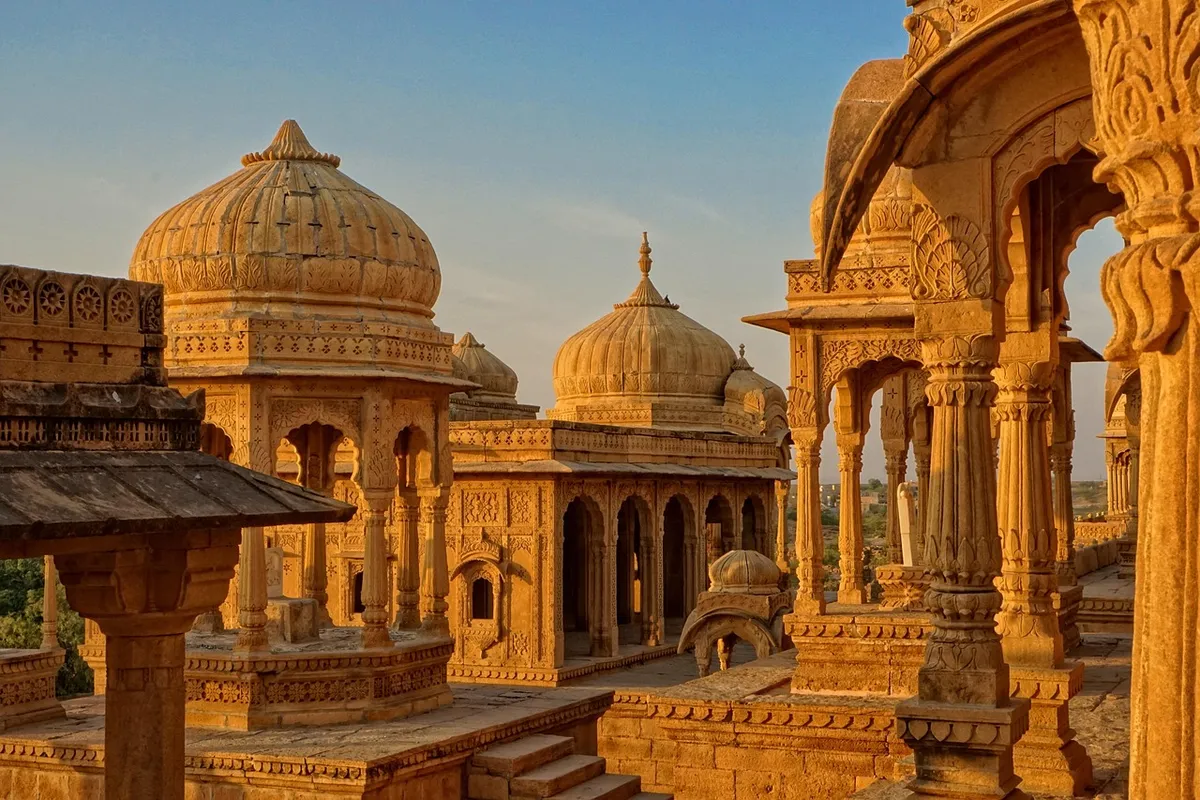
These challenges highlight the need for ethical management strategies. Without careful oversight, the very assets being celebrated could be damaged by their own popularity.
| Aspect | Focus of Engagement |
|---|---|
| Archaeological/Religious Sites | Engaging with regional history and local populations |
| Urban Cultural Offerings | Promoting cross-cultural exchange |
I observed how the tension between tourism and preservation requires constant negotiation between local stakeholders and international bodies. This balance is essential for the long-term survival of heritage.
One limitation is that the success of heritage management often depends on the specific environmental and social conditions of the site, such as the potential hazards of ecotourism in specific regions.
- How do international frameworks define heritage?
- What is the role of cultural tourism?
- How does heritage influence regional development?
The subject here is Heritage modern meaning.
Tech aids heritage care
Related



Comments 0