How does the definition of heritage shape its modern value?
"The preservation of our shared history is not merely an act of looking backward, but a foundational requirement for navigating the complexities of the future."
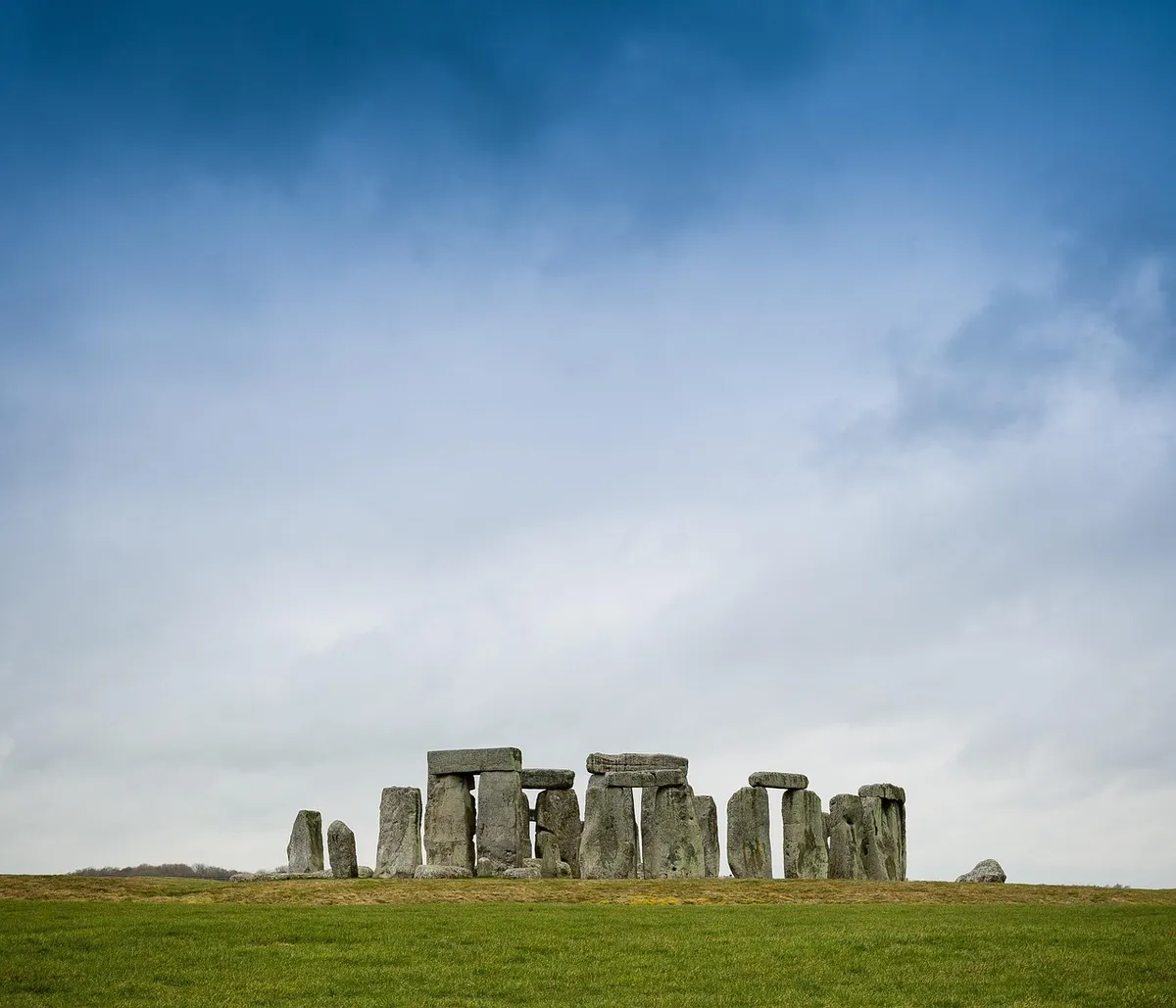
World heritage modern value lies in the delicate balance between preserving historical authenticity and integrating these legacies into a living, breathing society.
By understanding how international frameworks protect diverse forms of expression, we can better appreciate the role of heritage in contemporary identity.
This guide explores the evolution of safeguarding measures, the distinction between tangible and intangible assets, and the global efforts to protect human legacy.
How does the definition of heritage shape its modern value?
At dusk in the dim library, the scholar runs a hand over the brittle parchment, realizing how the definition of our past dictates the preservation of our future.
A researcher sits in a quiet library, tracing the lineage of a legal document that defines what constitutes a masterpiece. This inquiry into the past helps clarify how we assign importance to cultural sites and traditions today.
The concept of heritage has transitioned from protecting static monuments to encompassing living traditions. According to Wikipedia, in 2003 UNESCO adopted the Convention for the Safeguarding of the Intangible Cultural Heritage.
This shift recognized that culture is not just found in stone but in the practices of people. Heritage modern worth is now measured by how these traditions continue to inform contemporary life.
The scope of what we protect has expanded significantly over the decades. While physical structures remain vital, the focus has broadened to include oral traditions and social practices. This expansion ensures that the diverse voices of humanity are not lost to time.
What are the different types of heritage protection? World heritage modern value
An archaeologist brushes sand away from a submerged relic, realizing that the sea holds as much history as the land. This physical labor represents the diverse environments where heritage must be defended against decay and looting.
Protective frameworks cover various domains, from the depths of the ocean to the spoken word. This specific focus ensures that submerged history remains intact for future study.
| Type of Heritage | Primary Focus |
|---|---|
| Tangible Heritage | Physical artifacts and sites |
| Intangible Heritage | Oral traditions and social practices |
I observed how these different categories require unique specialized approaches to prevent loss. Understanding these distinctions is the first step in effective preservation.
How is intangible heritage managed and sustained?
A community gathers in a town square to perform a traditional dance, passing the rhythm to the younger generation. This living exchange is the heartbeat of intangible cultural heritage.
Managing living traditions requires community engagement rather than just physical stabilization. It was superseded in 2008 by the UNESCO Intangible Cultural Heritage Lists. These lists help highlight the importance of various cultural expressions globally.
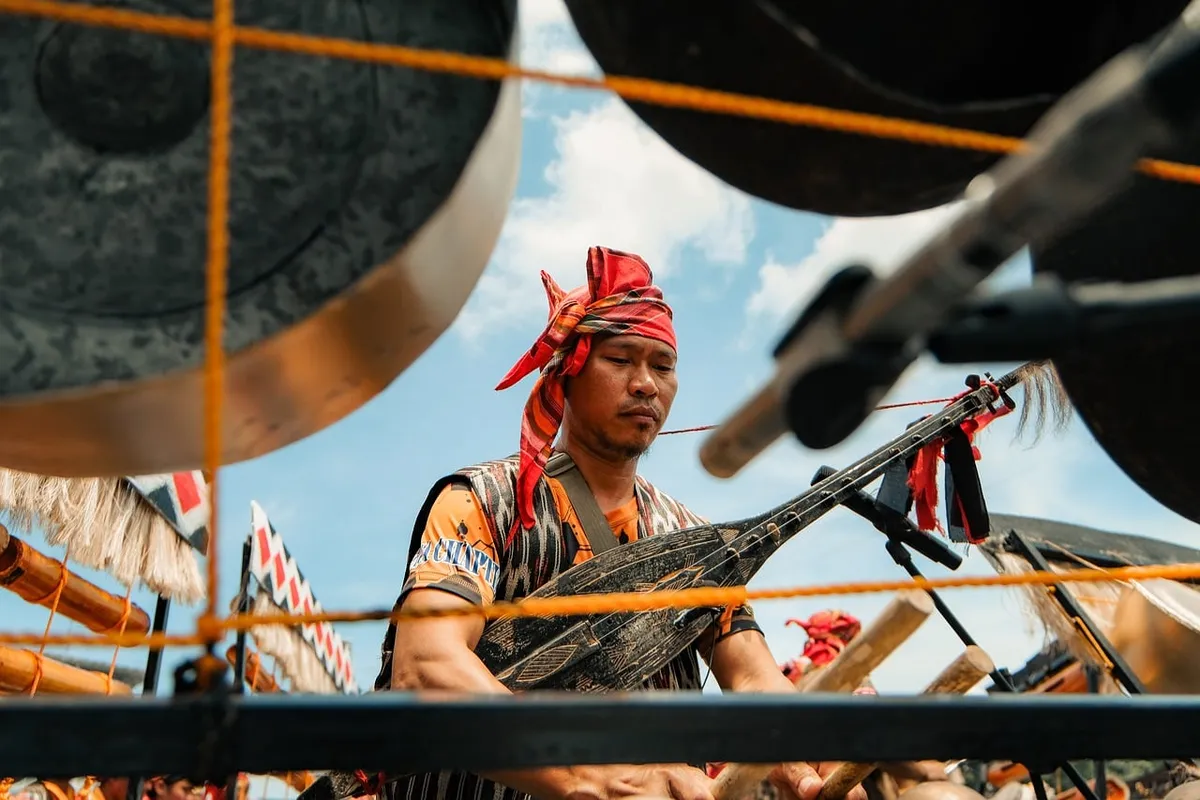
Sustainable heritage management involves fostering environments where traditions can thrive naturally. Instead of freezing a culture in time, practitioners work to ensure its continuity through active use. This approach prevents heritage from becoming a mere museum piece.
Why is international cooperation necessary for heritage?
Diplomats meet in a grand hall, negotiating treaties that will govern how nations respect each other's cultural treasures. This collective effort demonstrates that heritage is a global responsibility.
Because cultural assets often cross borders, international oversight is crucial for their survival. United Nations, UNESCO, and Blue Shield International are involved in the protection of cultural heritage.
These organizations provide the legal and logistical frameworks necessary for global cooperation.
Reinterpreting old sites for modern use requires a unified set of standards to prevent damage. When nations work together, they can better combat illegal trafficking and environmental threats. Collaborative efforts ensure that no single interest overrides the collective value of human history.
What role do human rights play in heritage preservation?
A legal scholar examines a charter, noting how the right to participate in cultural life is linked to human dignity. This connection bridges the gap between law and identity.
The protection of heritage is increasingly viewed through the lens of fundamental human rights.
The Committee on Economic, Social and Cultural Rights, sitting as part of the United Nations Economic and Social Council with article 15 of its Covenant, had sought to instill the principles under which cultural heritage is protected as part of a basic human right.
This means access to culture is essential for individual and collective well-being.
Local growth from ruins can only happen if the rights of the people living near these sites are respected. Protecting heritage means protecting the people who carry its meaning. This human-centric approach ensures that preservation serves the living as much as the dead.
How can we ensure the future of our global legacy?
A student looks at a digital map of world heritage sites, wondering how to preserve these treasures for their own children. This reflection on the future drives the need for modern preservation strategies.
Securing the future requires a combination of legal rigor and community-led action. This recognition helps elevate the status of diverse cultural expressions on the world stage.
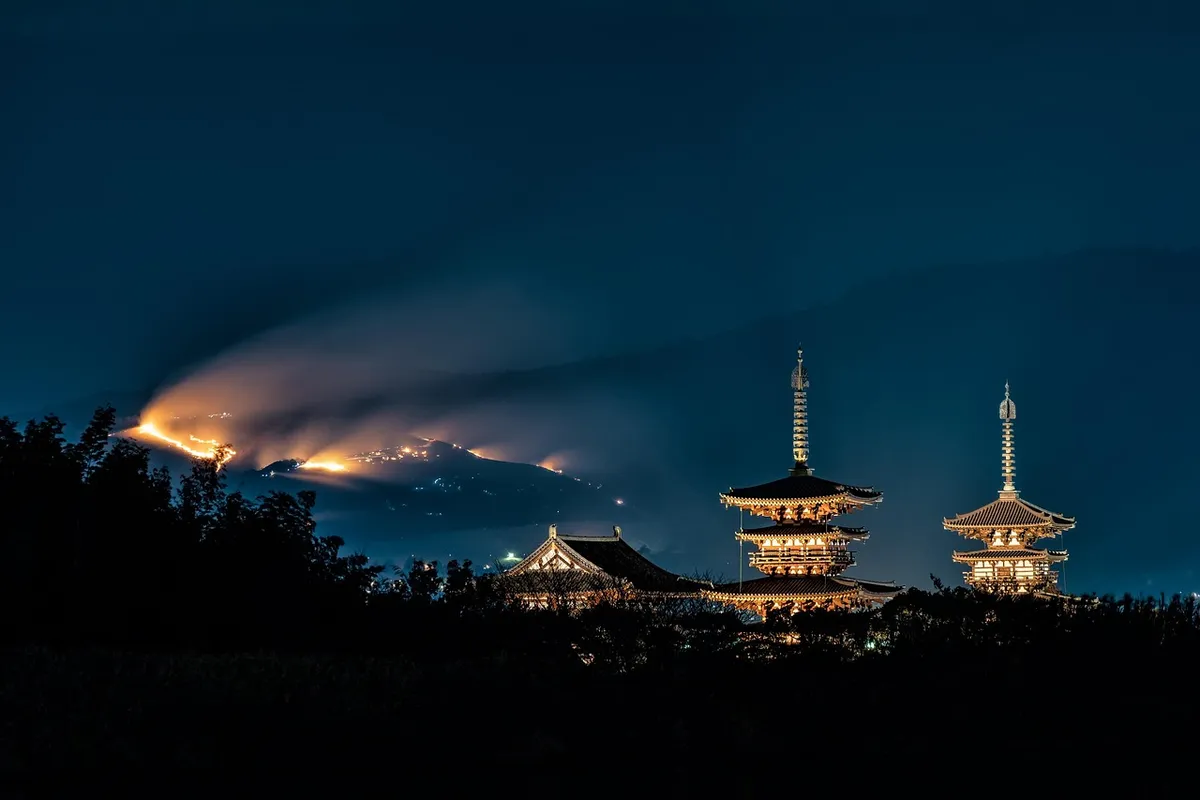
- Identify the specific nature of the heritage, whether it is physical or intangible. 2. Engage with local communities to ensure traditional knowledge is shared and respected. 3. Apply international standards to maintain authenticity while allowing for contemporary relevance. 4. Perform a final check to ensure that modern interventions do not compromise the integrity of the original asset.
The limitation of these efforts is that they are subject to the political and economic stability of individual nations.
- How does the definition of heritage shape its modern value?
- What are the different types of heritage protection?
- How is intangible heritage managed and sustained?
The subject here is World heritage modern value.
The same subject is also called Preserving cultural sites.
The same subject is also called UNESCO site future.
The same subject is also called Past into present use.
Sustainable heritage management
Related

Comments 0