National heritage management: Guide to protecting sites
"Preserving the past requires a structured bridge between international standards and local action."
National heritage management involves a coordinated effort between international bodies and state-level institutions to protect cultural assets. This process ensures that significant sites remain intact for future generations through legal frameworks and scientific oversight.
This guide explores how organizations manage these assets, the role of specialized centers, and the practical steps involved in oversight.
How does national heritage management function?

At sunset, the researcher traces the jagged lines of a map in the quiet office, feeling the weight of national duty in every stroke.
A researcher stands before a sprawling map of protected sites, tracing the boundaries of a historic district. National heritage management serves as the foundational framework that allows countries to identify and protect their most significant cultural landmarks.
This management involves setting legal standards that dictate how sites are surveyed, maintained,ly and utilized by the public.
The process begins with the establishment of legal authority to govern cultural assets. For example, the National Museums of Kenya (NMK; Makumbusho ya Kitaifa ya Kenya) is a multi-disciplinary state corporation established under the National Museums and Heritage Act (2006).
This legal basis allows the state to manage diverse collections and sites effectively.
Effective management also requires international cooperation to meet global standards. This relationship helps regional entities align their local preservation efforts with international expectations.
- Identification of significant cultural assets
- Implementation of legal protection frameworks
- Allocation of resources for maintenance
How do regional centers preserve our sites? An official reviews a document from a global conference to ensure regional protocols match international requirements. Preserving regional sites often requires specialized knowledge and a connection to international oversight to ensure consistency across borders.
The Arab Regional Centre plays a role in preserving sites.
Regional centers provide the expertise necessary to handle unique cultural landscapes.
The Arab Regional Centre for World Heritage was established by a Royal Decree issued on 16 December 2010, following the General Conference of UNESCO at its 35th session in 2009. This specialized structure allows for targeted support in managing heritage within specific geographic contexts.
These centers facilitate the sharing of technical expertise among member states. By acting as a bridge, they ensure that local preservation efforts contribute to the broader global heritage network. This coordination prevents the loss of identity in rapidly changing environments.
In this sequence, the second step is the most extensive.
How can a cultural heritage body oversee diverse sites?
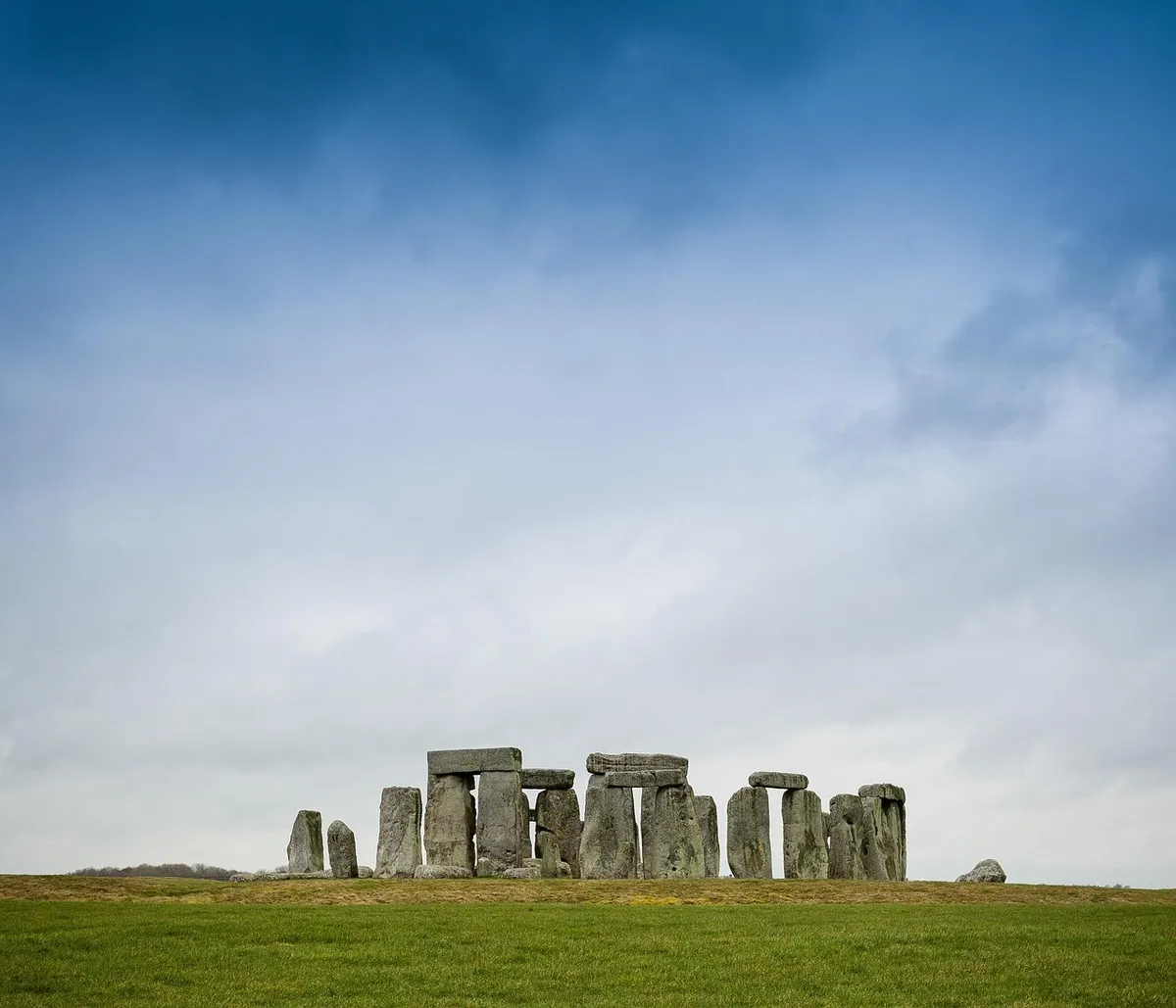
A curator examines an ancient artifact while planning a new conservation strategy for a forest site. A cultural heritage body must manage a wide variety of assets, ranging from archaeological ruins to living natural landscapes.
This requires a versatile approach to conservation that addresses different scientific and social needs.
The National Museums of Kenya (NMK) is a globally recognized hub for scientific research in palaeontology, archaeology, ethnography, and biodiversity conservation. This multi-disciplinary approach allows the agency to handle everything from fossils to living ecosystems.
The management of these sites is often split into specific categories: 1. Archaeological sites: Protecting physical remains of past civilizations. 2. Ethnographic sites: Preserving the cultural expressions and traditions of people. 3. Natural sites: Managing biodiversity and geological wonders.
The agency's scope is broad, as seen in its oversight of several UNESCO World Heritage Sites, including Fort Jesus, Lamu Old Town, and the Sacred Mijikenda Kaya Forests. Managing such diverse locations requires distinct scientific protocols for each.
How do I maintain national assets? A technician inspects the structural integrity of a historic fort wall to prevent erosion. National asset upkeep involves a systematic process of assessment, intervention, and monitoring to ensure longevity.
Without a clear sequence of actions, valuable history can be lost to decay or human activity.
The following steps outline a standard approach to managing a site: 1. Identification and Documentation: Cataloging the physical and historical details of the asset. 2. Risk Assessment: Evaluating environmental or human threats to the site's integrity. 3.
Conservation Implementation: Applying scientific methods to stabilize or restore the asset.
A final check is always necessary to ensure that interventions do not cause secondary damage. I once watched a team carefully re-apply traditional mortar to a stone structure to ensure the restoration matched the original craftsmanship.
This attention to detail prevents the loss of authenticity during the upkeep process.
| Management Type | Primary Focus |
|---|---|
| Regional Center | International coordination and technical support |
| State Corporation | Scientific research and site oversight |
What are the limitations of heritage management?
A visitor walks through a protected area, noticing the tension between preservation and modern development. Limitations in heritage management often arise when local needs conflict with strict preservation mandates.
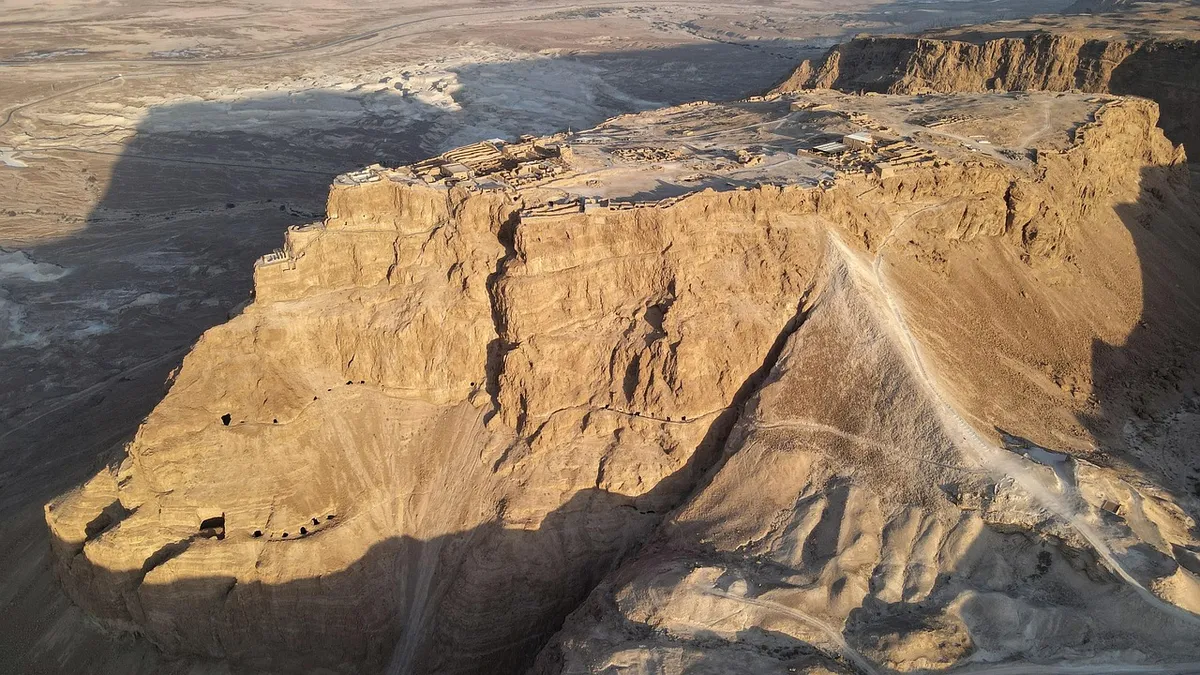
These constraints can make it difficult to balance economic growth with cultural integrity.
One concrete limitation is the challenge of managing living landscapes alongside archaeological remains. For instance, managing the Sacred Mijikenda Kaya Forests requires balancing the protection of biodiversity with the cultural needs of the local community.
This complexity can lead to friction between different management goals.
The same subject is also called Local heritage preservation.
This part also covers Role of heritage agency.
This part also covers System of preservation.
This part also covers Managing cultural assets.
Role of heritage agency
Related




Comments 0