International frameworks: Japanese heritage via Hallyu why
"The preservation of identity through tradition requires not just static protection, but a living dialogue between the past and the evolving present."
The concept of Japanese heritage via Hallyu involves a complex interplay where traditional legacies meet modern cultural waves, leading to new forms of artistic expression.
This process requires balancing historical authenticity with contemporary relevance to ensure that cultural vitality remains intact.
Key takeaways include the role of international frameworks in defining heritage, the impact of cross-cultural dialogue on tradition, and the necessity of safeguarding intangible elements in a globalized world.
How does international policy shape Japanese heritage via Hallyu?

A researcher sits in a quiet library, tracing the history of international treaties that define how nations protect their unique identities. The intersection of local tradition and global trends often relies on the definitions established by global bodies to validate cultural worth.
The framework for protecting such traditions began to solidify in the early 21st century through specific global initiatives.
According to Wikipedia, UNESCO's Proclamation of Masterpieces of the Oral and Intangible Heritage of Humanity began in 2001, highlighting specific masterpieces to promote the responsibility of nations to protect intangible cultural heritage.
This initiative provided a foundation for recognizing how local customs could be elevated to global significance.
These policies ensure that when cultural trends move across borders, there is a recognized standard for what constitutes heritage. The movement of culture through modern channels often relies on these established definitions to maintain legitimacy.
This provides a structured way to view the Hallyu impact on Japan art as a recognized exchange of value.
##
An archivist carefully organizes documents from the turn of the millennium, noting how definitions changed the way we see the past. These meetings laid the groundwork for how modern movements interact with ancient customs.
As the clock strikes midnight in the silent archive, I feel the cold weight of the folders while studying how international standards reshaped our view of the past.
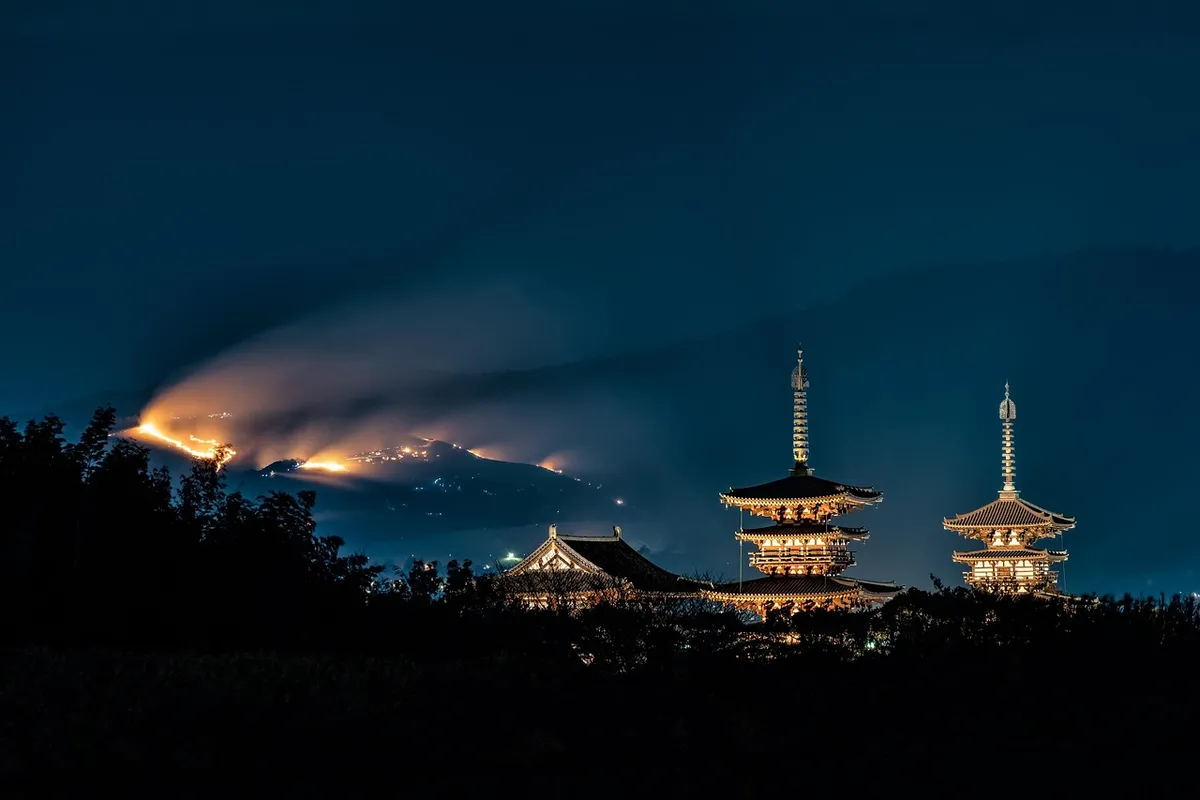
In 2001, expert meetings were hosted to define intangible cultural heritage and develop a more legally binding treaty for its protection. This resulted in the Convention for the Safeguarding of the Intangible Cultural Heritage.
Such legal structures allow for a more organized approach to how traditions are shared and reinterpreted.
By establishing these definitions, the international community created a way to manage the flow of cultural influence. This helps in managing the cultural fusion of Japan and Korea by providing a baseline for what is being preserved.
These early efforts established the parameters for modern cultural exchange.
How did the 2008 Representative List change the landscape?
A curator examines a list of protected traditions, noting how different eras of recognition were unified into a single record. The consolidation of various proclamations changed how heritage is perceived by the public.
The 2008 creation of the UNESCO Representative List of Intangible Heritage served as a significant milestone. This list incorporated the masterpieces from the 2001, 2003, and 2005 proclamations. This unification allowed for a broader scope of tradition to be recognized under a single umbrella.
This consolidation helps in understanding the new views on Japanese legacy that emerge through modern trends. By bringing various eras of recognition together, the list provides a comprehensive overview of human creativity. It allows for a more holistic view of how history meets the present.
What was the first instrument for cultural diversity?
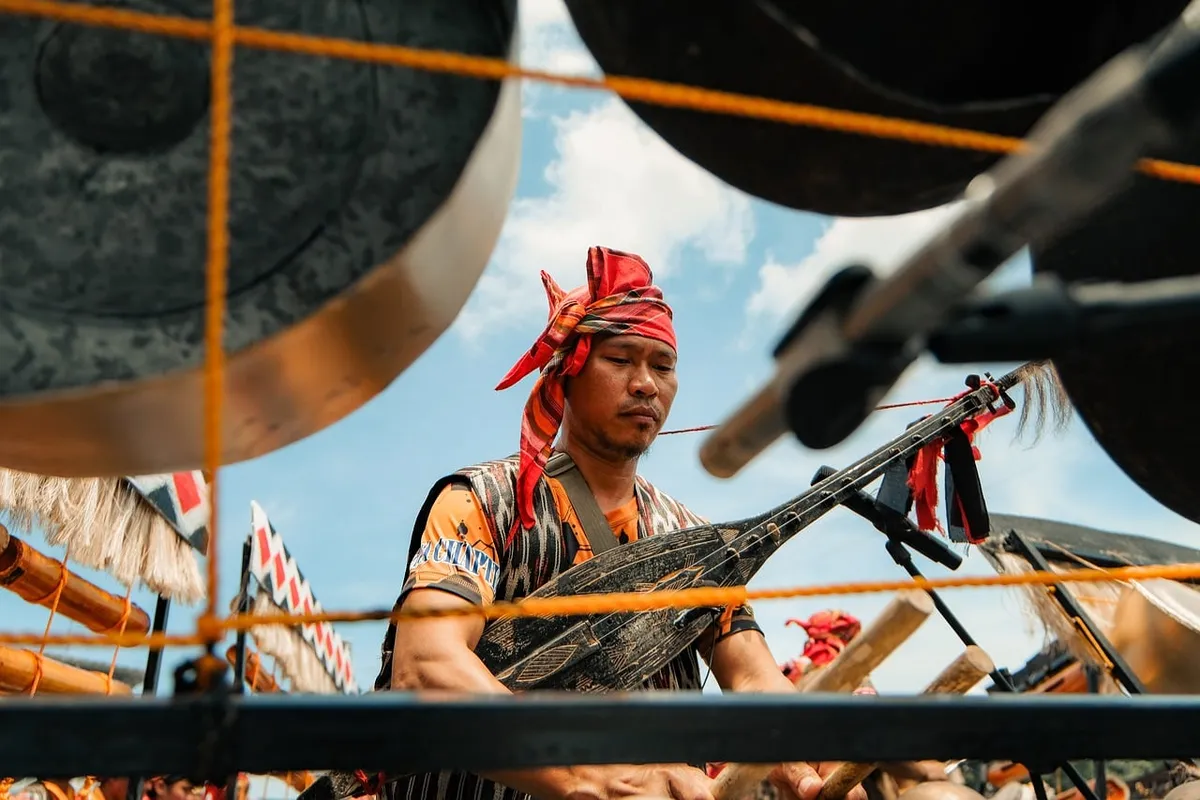
A diplomat reviews a signed declaration, reflecting on the moment the world agreed on the importance of diverse voices. This document remains a cornerstone for intercultural dialogue.
The first international instrument to enshrine the value of cultural diversity and intercultural dialogue was the UNESCO Universal Declaration on Cultural Diversity, adopted unanimously in 2001. This document set a precedent for how different cultures should interact and respect one another.
This declaration provides the philosophical basis for the success of cultural reinterpretation. It encourages a world where diverse traditions can coexist and influence each other through modern mediums. The focus on dialogue is essential for the sustainability of cultural trends.
How can we manage the challenges in heritage fusion?
A student compares traditional patterns with modern digital art, looking for the common thread that connects the two eras. Managing the blend of old and new requires a careful hand to avoid losing the original essence.
The challenges in heritage fusion often stem from the tension between modernization and preservation. To navigate this, one must follow these steps:
- Identify the core elements of the intangible heritage that define its unique identity. 2. Integrate these elements into modern artistic or social expressions without stripping their original meaning. 3. Establish a continuous cycle of community engagement to ensure the tradition remains living and relevant.
A final check involves verifying that the reinterpretation does not erase the historical context that gave the tradition its original value. I often find that the most successful fusions are those that respect the original intent while embracing new forms.
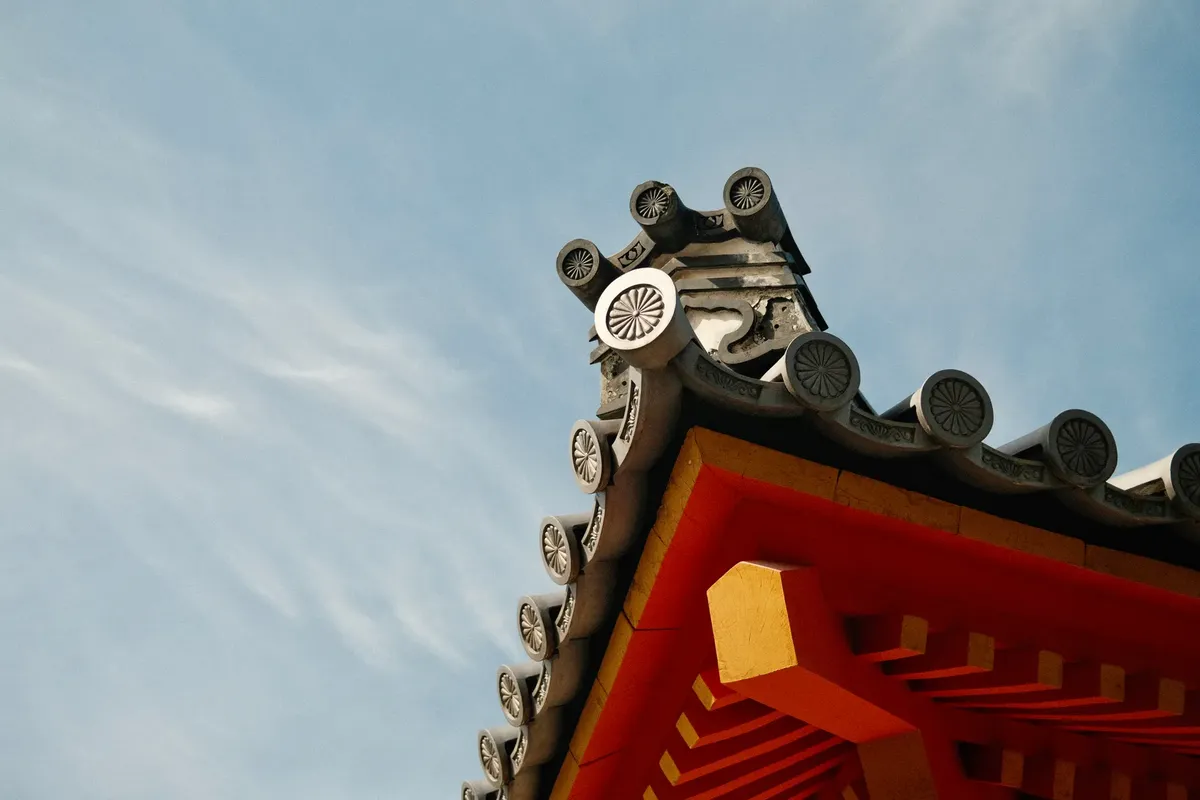
This balance is vital for the longevity of the culture.
One limitation is that these international frameworks primarily focus on formal recognition, which may not always capture the informal, grassroots shifts occurring in real-time cultural exchanges.
- How does international policy shape Japanese heritage via Hallyu?
- An archivist carefully organizes documents from the turn of the millennium, noting how definitions changed the way we see the past. These meetings laid the groundwork for how modern movements interact with ancient customs.
- How did the 2008 Representative List change the landscape?
The subject here is Japanese heritage via Hallyu.
The same subject is also called Modernizing Japanese culture.
Related




Comments 0