Oral tradition worth: Guide to Intangible heritage value
"The non-physical traditions and practices performed by a people represent the living heartbeat of human identity."
Intangible heritage value is found in the living traditions that connect generations through shared practices and oral wisdom.
This article explores how global frameworks protect these living assets, the evolution of international recognition, and the methods used to ensure these traditions survive social changes.
Key takeaways: * International frameworks aim to protect non-physical traditions alongside tangible treasures. * The transition from specific proclamations to comprehensive lists established a structured global approach.

* Safeguarding efforts focus on identifying, documenting, and revitalizing heritage against globalization.
Why is intangible heritage value so significant?
A researcher sits in a quiet archive, tracing the lines of an ancient manuscript while listening to the distant echo of a traditional song. The distinction between physical objects and living customs is the foundation of modern heritage studies.
According to UNESCO, intangible cultural heritage includes holidays, festivals, performances, oral traditions, music, and handicrafts. These elements represent the non-physical traditions and practices performed by a people.
Protecting these living assets ensures that the unique identity of a community remains intact through shifting social landscapes.
The concept of intangible heritage value emphasizes that culture is not just found in stone buildings but in the way people live. This perspective was central to the development of international standards.
How did global frameworks begin protecting oral tradition worth?
An expert gathers around a large table in 2001, debating the legal definitions of culture to ensure no tradition is left behind. This period marked a shift toward recognizing that human identity is often carried through voice and ritual rather than just artifacts.
Upon the adoption of the Universal Declaration on Cultural Diversity in November 2001, UNESCO encouraged recognition and protection of intangible heritage in the same way as natural and cultural treasures of tangible heritage are protected.
This move sought to elevate the status of living traditions to the level of physical monuments. The goal was to foster a global understanding of cultural diversity through these unique expressions.
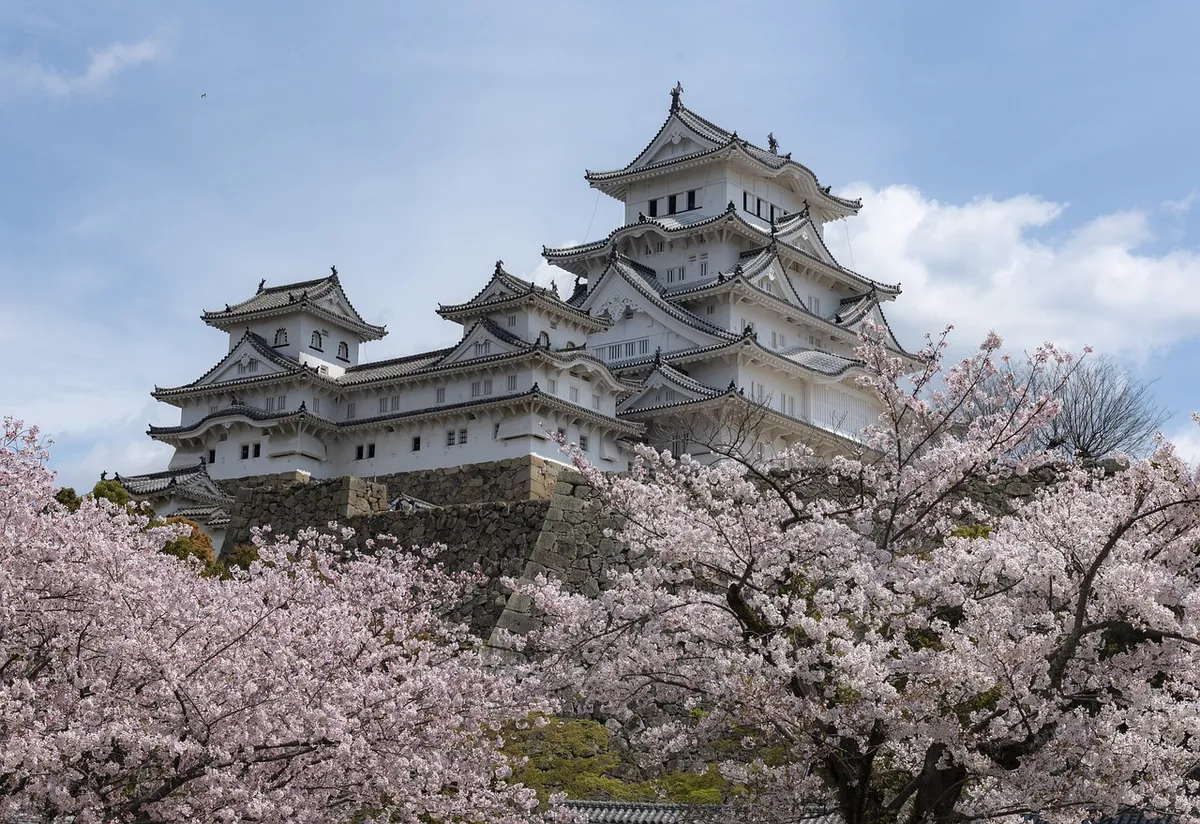
The focus on oral tradition worth helped bridge the gap between history and contemporary life. It acknowledged that a song or a ritual can be just as vital as a statue.
What led to the creation of living culture value through formal lists?
A diplomat reviews a draft convention in 2003, seeking to create a binding agreement that would protect vulnerable customs. The process of moving from abstract ideas to organized lists required careful legal and social groundwork.
In 2003, UNESCO adopted the Convention for the Safeguarding of the Intangible Cultural Heritage. This was followed in 2008 by the UNESCO Intangible Cultural Heritage Lists, which superseded previous frameworks.
These lists were designed to ensure better protection of important intangible heritages worldwide and to raise awareness of their significance.
The establishment of these lists provided a structured way to recognize diversity. It moved the conversation from mere observation to active safeguarding.
How do we focus on preserving oral lore via international standards?
A community elder demonstrates a traditional craft to a group of young students, ensuring the movements are memorized. This direct transfer of knowledge is the essence of safeguarding efforts.
The 2008 creation of the UNESCO Representative List of Intangible Heritage incorporated the masterpieces from the 2001, 2003, and 2005 proclamations. This consolidation helped create a unified approach to recognizing diverse cultural expressions.
The Intergovernmental Committee for the Safeguarding of Intangible Cultural Heritage, an organization established by the convention, determines the inscription of new elements.
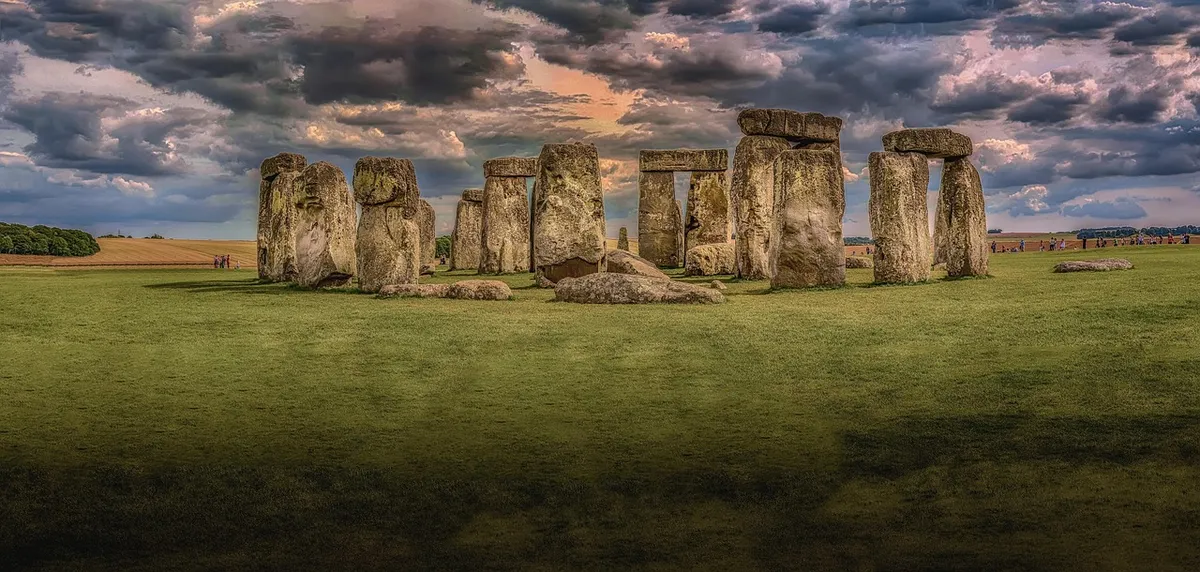
By focusing on preserving oral lore, the international community provides a platform for voices that might otherwise be lost. This structured recognition helps validate the importance of local customs on a global scale.
What are the steps for managing human intangible asset protection?
A committee member carefully reviews an application from a local community seeking to list their traditional music. The process involves specific stages of identification and verification to maintain the integrity of the heritage.
To manage the protection of a human intangible asset, the following process is generally observed:
- Identification and documentation: Communities work to identify their unique traditions and document them to prevent loss. 2. Submission and review: The Intergovernmental Committee for the Safeguarding of Intangible Cultural Heritage reviews elements for inclusion in the lists. 3. Revitalization and promotion: Once recognized, efforts focus on promoting and revitalizing the heritage within the community.
A final check ensures that the elements meet the criteria established by the convention to maintain the quality of the lists.
What are the limitations of these safeguarding efforts?
A student looks at a map of the world, noticing how some regions have more documented heritage than others. The uneven application of these standards can highlight gaps in global representation.
One limitation is that the inclusion of new heritage elements is determined by the Intergovernmental Committee for the Safeguarding of Intangible Cultural Heritage, which is an organization established by the convention.
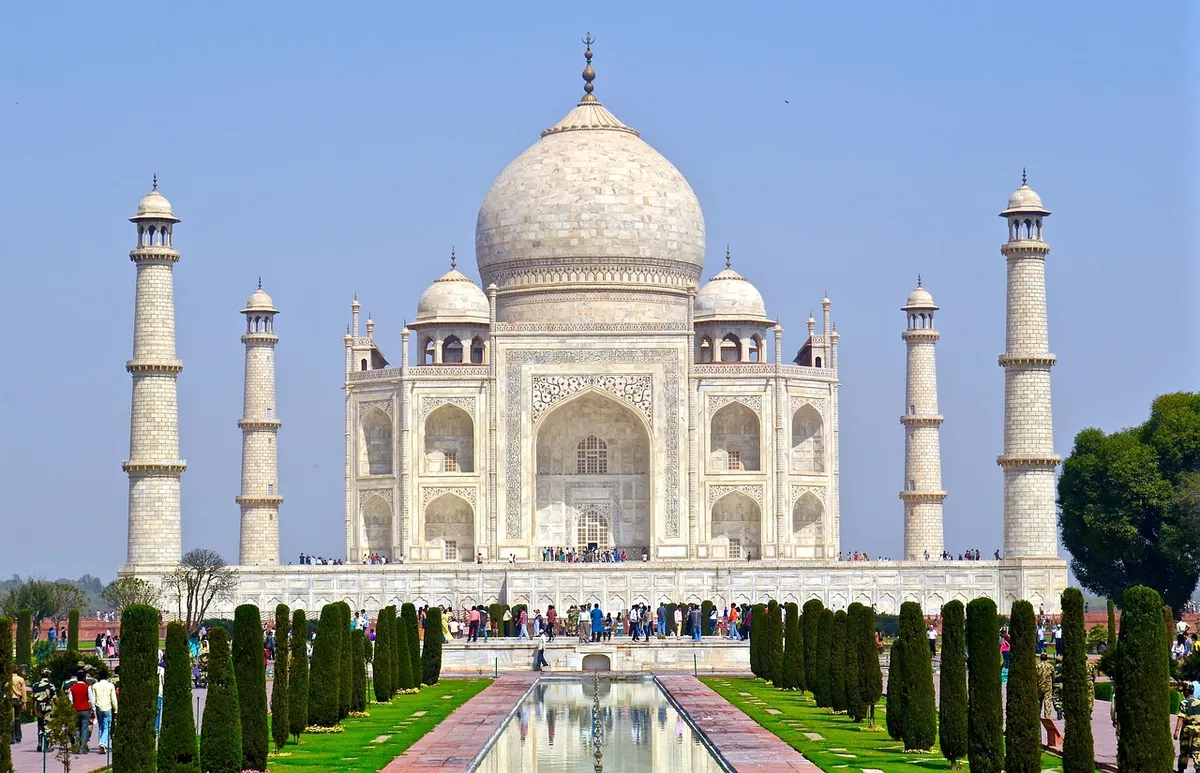
Because these decisions are made by a specific committee, the process is subject to the administrative and political frameworks of the participating State Parties.
| Milestone | Primary Focus |
|---|---|
| 2001 Proclamation | Highlighting specific masterpieces to promote responsibility |
| 2008 Lists | Incorporation of previous masterpieces into a unified system |
I observed that the transition from the 2001 Proclamation to the 2008 Lists represented a significant shift in how the world organizes cultural recognition.
- Why is intangible heritage value so significant?
- How did global frameworks begin protecting oral tradition worth?
- What led to the creation of living culture value through formal lists?
This part also covers Protecting oral traditions.
This part also covers Global intangible assets.
This part also covers Cultural memory preservation.
Protecting oral traditions
Related


Comments 0