UNESCO heritage listing criteria: Guide to inscription
"Heritage is our legacy, what we live with today, and what we pass on to future generations."
UNESCO heritage listing criteria serve as the global benchmark for identifying sites of outstanding universal value to ensure their protection for the future.

This guide explores the significance of listing, the complexities of site inscription rules, and the preservation of cultural property values. We will examine how these standards function in practice, the political challenges of maintaining status, and the limitations of institutional oversight.
Why does this listing actually matter? A researcher sits at a wooden desk, flipping through thick dossiers of historical maps and geological surveys. The significance of listing rests on a site's ability to represent human history or natural beauty in a way that transcends national borders.
According to UNESCO, heritage is what we live with today and what we pass on to future generations. This perspective suggests that the criteria are not merely about old buildings but about the enduring legacy of humanity.
When a site is recognized, it is because its value is deemed essential to the collective memory of the world.
The process of identifying these sites often involves a deep dive into historical records and physical evidence. This rigorous evaluation ensures that only the most impactful locations receive the designation.
How do site inscription rules work? UNESCO heritage listing criteria
An official reviews a map of a mountain range, marking boundaries that must protect both the landscape and the cultural history within them. Site inscription rules are the specific benchmarks used to evaluate whether a location meets the required level of importance.
The process requires meeting specific thresholds of authenticity and integrity. For example, a location must demonstrate exceptional cultural, mythological, or natural significance to be considered. These rules prevent the dilution of the list by requiring clear, undeniable evidence of unique value.
The decision-making process also involves political and administrative layers. For instance, while a board might approve a membership or a site, the final decision may require specific voting majorities at a general conference.
Which cultural values are clashing? A diplomat adjusts a nameplate on a conference table, noting the tension between different historical interpretations of a single sacred site. Cultural property values are often at the center of intense international debate, especially when multiple traditions claim the same ground.

In some instances, the naming of a site or the way its history is presented can trigger significant controversy. For example, semantic decisions regarding the names of religious sites can lead to accusations of political bias.
These tensions highlight how heritage is not just about physical objects but about identity.
The tension between different historical narratives can complicate the management of a site. When one group feels their history is being overshadowed, the concept of universal value becomes harder to maintain.
How is the future of preservation managed?
A conservationist carefully brushes dust off an ancient stone, mindful of the fragile history beneath their hands. The future of preservation depends on both international recognition and local stability.
Maintaining a site's status requires consistent protection, even in the face of extreme hardship. In some regions, sites remain listed as World Heritage or as "in danger" despite significant damage caused by conflict.
This status serves as a call to action for the international community to assist in recovery.
Funding is another critical component of long-term survival. Some regional centers have faced closure because the required funding was not ensured by local governments or partner countries, illustrating that designation alone does not guarantee survival.
What are the limitations of the listing process?
A traveler stands before a massive monument, wondering if the crowds are distracting from the quiet majesty of the ruins. Identifying the limitations of the listing process is necessary to understand the full scope of heritage management.
The focus on famous sites can sometimes create an imbalance in global attention. Some observers wonder if the intense focus on well-known locations overshadows smaller, lesser-known places that also hold significant value. This imbalance can affect how resources are distributed globally.
| Aspect | Impact on Heritage |
|---|---|
| Universal Significance | Provides a global benchmark for protection |
| Political Sensitivity | Can lead to disputes over historical narrative |
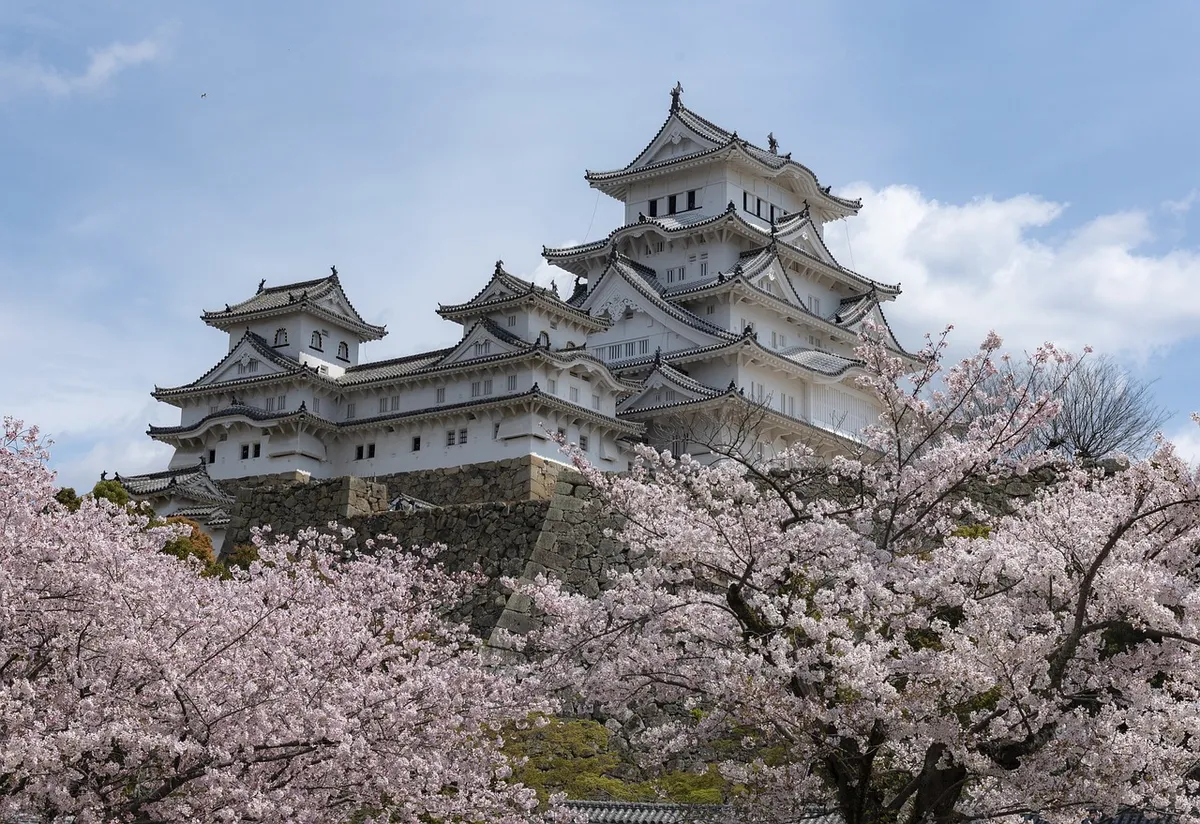
I observed how individual preferences can play a role in how people perceive these sites, often influencing which locations receive the most attention. While the criteria are standardized, the human element remains a constant variable in how heritage is valued and visited.
A limitation of the listing process is that it may not always account for the needs of smaller, less prominent sites that lack the visibility of major landmarks.
- Why does this listing actually matter?
- How do site inscription rules work?
- Which cultural values are clashing?
The subject here is UNESCO heritage listing criteria.
The same subject is also called World heritage standards.
The same subject is also called Preservation benchmarks.
Related




Comments 0