Climate change world heritage: Risks to our sites
"The preservation of our shared history faces an unprecedented intersection of environmental shifts and human conflict, requiring urgent global cooperation."
Climate change world heritage preservation is increasingly complex as natural shifts threaten the physical integrity of irreplaceable sites.
This guide explores how environmental changes impact these locations, examines current research efforts like the "Climate for Culture" project, and discusses the necessity of preventative strategies.

We will look at the intersection of environmental risks and existing heritage status, while noting that current data remains limited to specific regional studies.
##
A researcher peers through a lens at a crumbling stone wall, noting how temperature fluctuations cause micro-fractures in ancient masonry. This slow erosion represents a growing threat to global landmarks.
The impact of climate change on UNESCO World Heritage Sites involves various physical and environmental stressors that can degrade cultural integrity.
Researchers are investigating these specific impacts through the EU project “Climate for Culture.” This research aims to develop preventative strategies that protect these sites from environmental shifts. Understanding these vulnerabilities is the first step in building resilience.
- Identify vulnerable sites through environmental mapping.
- Assess the physical degradation caused by rising sea levels or extreme weather.
- Develop localized adaptation plans to mitigate damage.
What risks threaten our climate action for heritage? Climate change world heritage An activist stands in a dusty field, looking at a landscape where rising sea levels threaten to submerge coastal ruins. The tension between rising waters and historical preservation is palpable.
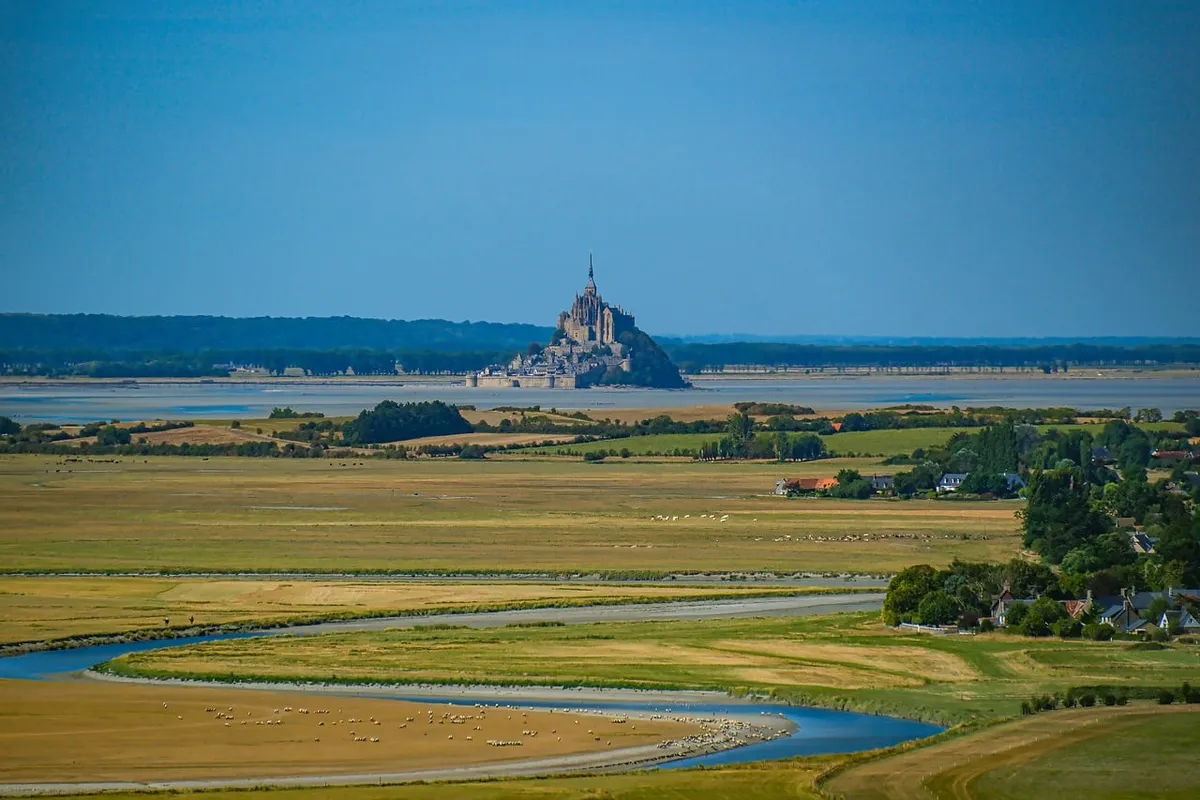
Securing cultural heritage climate action requires addressing both sudden disasters and gradual environmental changes. While sudden weather events cause immediate damage, long-term shifts alter the very environments that preserved these sites for centuries.
These changes can lead to irreversible loss of material history.
In this sequence, the first step is the most critical.
Can we manage heritage sustainably through global shifts? A conservator carefully brushes sand from a relief, wondering if the shifting climate will eventually bury the site forever. The delicate balance of preservation is at stake. According to World Bank data, the world recorded renewable energy share of final consumption of 19.7% in 2020.
Sustainable heritage management involves integrating climate resilience into existing conservation frameworks. This process requires balancing the need for site protection with the reality of changing ecological conditions.
Effective management must transition from reactive repairs to proactive, long-term planning.
What is the status of heritage in danger?
A traveler walks through the silent ruins of an ancient city, where the lack of human presence highlights the scars of recent history. The emptiness of the site tells a story of loss.
The status of sites can change due to various factors, including conflict and environmental instability.
These designations highlight the urgency of protection even when physical structures are compromised.
How can we prepare for the 2025 IUCN World Conservation Congress?
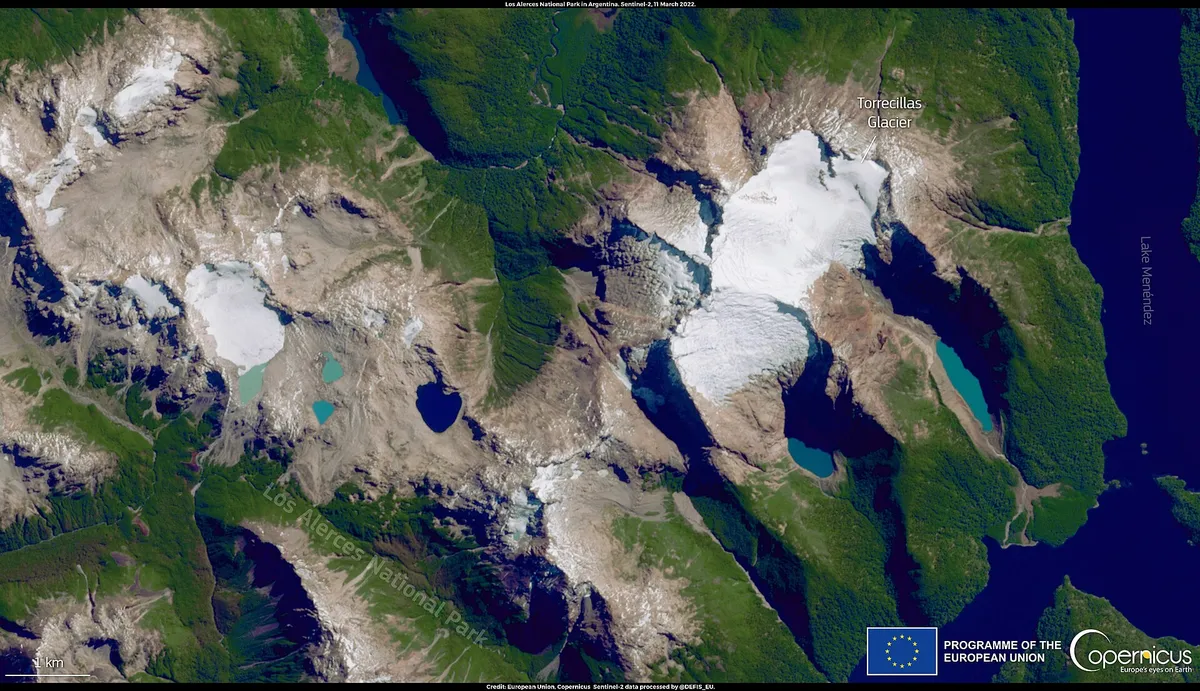
A diplomat reviews a folder of reports, preparing for an upcoming international summit on environmental preservation. The weight of global responsibility is evident in the quiet office.
The upcoming 2025 IUCN World Conservation Congress serves as a significant platform for discussing the intersection of nature and culture. The UNESCO World Heritage Centre is involved in these discussions to ensure heritage interests are represented.
Preparing for such events involves synthesizing data to inform global policy.
How do we implement preventative strategies?
A technician installs a sensor on a historic monument to monitor humidity and temperature changes in real time. The digital tool provides a window into the site's survival.
To implement effective preventative strategies, follow these steps:
- Conduct detailed vulnerability assessments to identify how specific environmental factors affect unique materials. 2. Develop site-specific mitigation plans that address both localized risks and broader climate trends. 3. Integrate monitoring technology to track environmental changes and trigger early warnings.
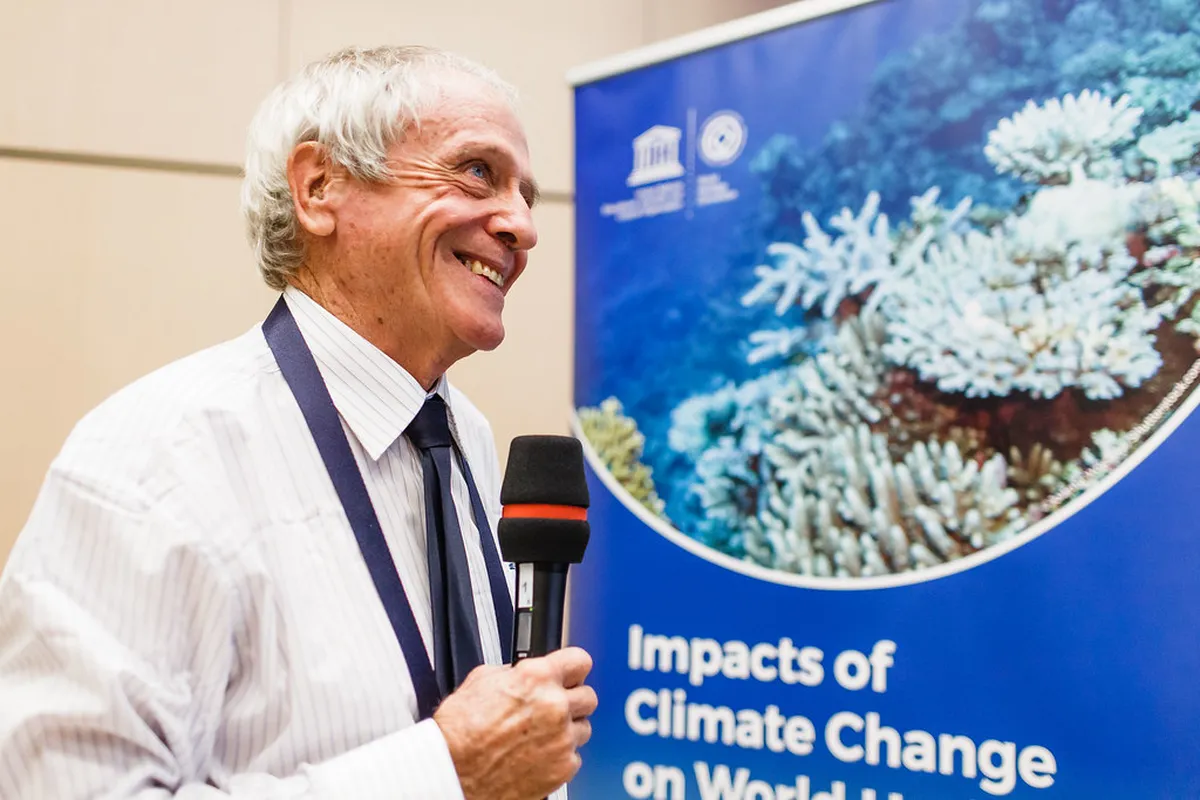
Always perform a final check to ensure that intervention methods do not inadvertently cause more damage to the original fabric of the site. I once observed a site where the installation of modern drainage systems actually altered the ground stability, highlighting the need for careful planning.
| Factor | Context |
|---|---|
| Renewable Energy Share | 19.7% in 2020 |
| Historical Context | 2017 status of Hatra and Palmyra |
The subject here is Climate change world heritage.
The same subject is also called UNESCO heritage climate risk.
The same subject is also called World site climate impact.
The same subject is also called Preserving sites climate change.
This part also covers UNESCO climate policy review.
This part also covers Threats to cultural sites.
UNESCO climate policy review
Related
- International frameworks: Japanese heritage via Hallyu why
- How does a city become a single heritage site?
What is the role of international bodies in heritage preservation?
The international community plays a crucial role in safeguarding shared history against overwhelming odds. The UNESCO World Heritage Centre facilitates high-level discussions necessary for global cooperation.
These bodies provide the framework within which preventative strategies can be coordinated across borders.
The involvement of various international organizations underscores the global nature of the preservation challenge. When local resources are insufficient, these bodies offer a platform to mobilize resources and attention toward threatened sites.
This collective action is vital for the long-term survival of these irreplaceable remnants of the past.
What are the limitations of current research efforts?
Current research, while valuable, possesses certain constraints regarding its scope and application. The existing studies are often geographically confined, meaning their applicability might not extend universally.
Therefore, researchers must remain cognizant of these boundaries when applying findings to different contexts.
The current data pool, as mentioned in the article, is restricted to specific regional studies. This limitation means that while a successful model might emerge for one climate zone, its direct application elsewhere requires careful adaptation.
The pursuit of global solutions must acknowledge these localized data dependencies.
The preservation of our shared history depends on acknowledging both the successes and the current limitations of our collective efforts.





Comments 0